REVIEW · GRAN CANARIA
Aguïmes : Cheese Making Workshop at la Jaira de Ana
Book on GetYourGuide →Operated by La Jaira de Ana · Bookable on GetYourGuide
Goat cheese gets personal when you make it. I love the chance to work with fresh goat milk and learn the process step-by-step, plus you get a guided dairy visit that puts it all in context. One possible drawback: English support can be uneven, so having some Spanish (or a ready translation app) really helps.
You’ll also come away with your own take-home cheese and clear instructions for enjoying it later. Just plan for practicality: bring a way to keep the cheese cool if you want it to arrive in great shape.
In This Review
- Key Things I’d Put on Your Radar
- Goat Cheese at La Jaira de Ana: What Makes It Worth Your Time
- The 3-Hour Flow: From Welcome to Your First Cheese Results
- Goats Up Close: Why the Milk Part Is More Than a Detail
- Hands-On Cheesemaking: What You’ll Actually Do
- The Dairy Visit: Turning a Recipe into Real Understanding
- Tasting Is Optional—But It’s a Smart Way to Judge Your Results
- Taking Your Cheese Home: How to Keep It in Good Shape
- Languages and Communication: What to Expect in English
- Price and Value: Is $30 Fair for 3 Hours?
- Who This Workshop Fits Best (And Who Might Skip It)
- Smart Tips Before You Go
- Should You Book the Aguïmes Goat Cheese Workshop at La Jaira de Ana?
- FAQ
- How much does the cheese making workshop cost?
- How long is the cheese making workshop?
- What does the price include?
- Can I taste the cheese?
- What languages are the instructors available in?
- What should I bring with me?
- Do I need to redeem a voucher in person?
- Is there free cancellation?
Key Things I’d Put on Your Radar
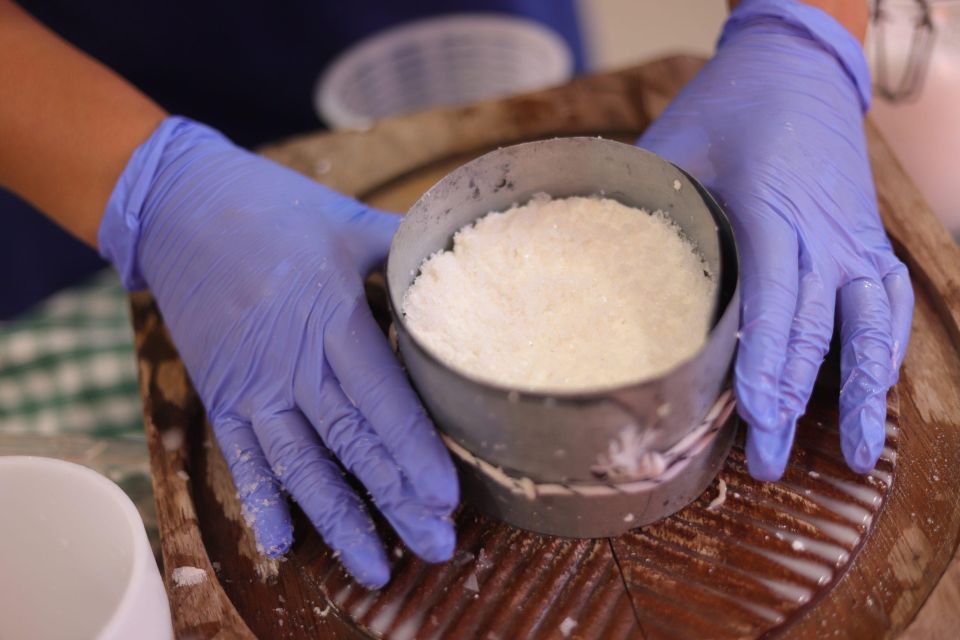
- Fresh milk, real steps: You follow the process from milk collection to making and shaping
- Hands-on work: You’re actively involved, not just watching
- Farm-dairy tour included: It helps you understand what you’re tasting
- Sanitary and well-run: You work with proper hygiene gear like hairnets and gloves
- Take-home cheese: You can take your creation with you and enjoy it later
- Optional tasting costs extra: Decide in the moment if you want the reward round
Goat Cheese at La Jaira de Ana: What Makes It Worth Your Time
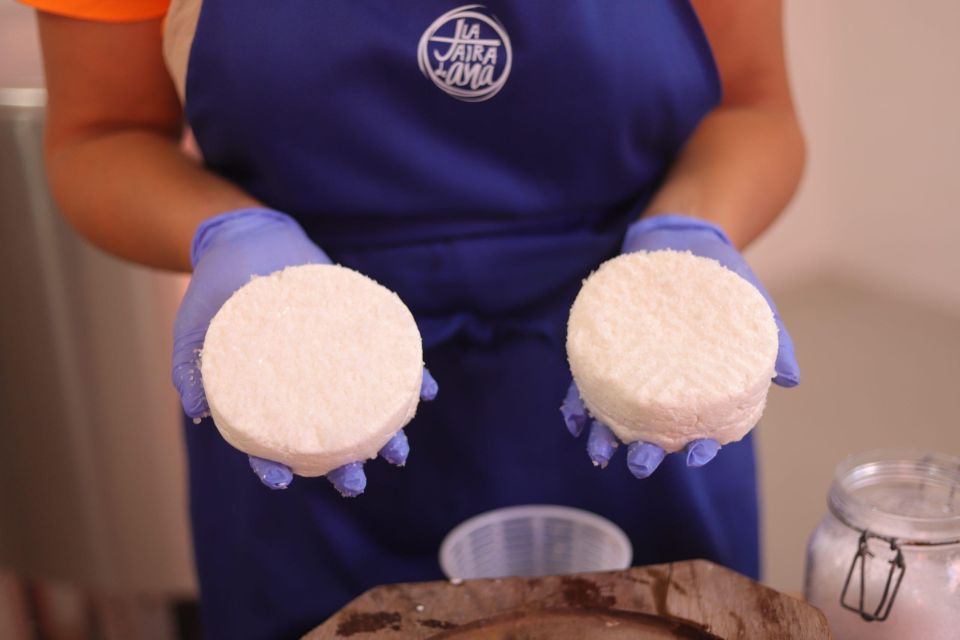
Aguïmes isn’t just a place to pass through. La Jaira de Ana turns your time into something physical and delicious—goats, milk, and the craft of turning it into cheese you can actually take home. It’s a small-scale food experience with real work and real learning, not a performance.
What I like most is the way the experience links everyday farm life to the cheesemaking chemistry. You’re not just getting a recipe. You’re seeing how goats are cared for, how milk is collected, and how each cheesemaking stage changes the final result.
If you’re the type who enjoys practical classes—cooking, workshops, hands-on crafts—this fits perfectly. If you only want a quick snack and no effort, you may find the workshop part feels like work (the good kind, but still work).
You can also read our reviews of more tours and experiences in Gran Canaria
The 3-Hour Flow: From Welcome to Your First Cheese Results
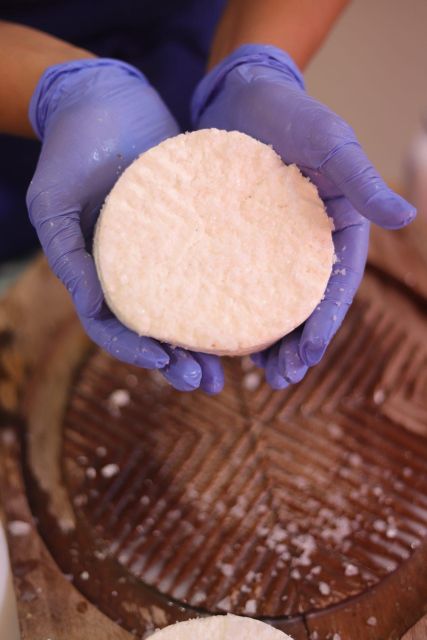
The class runs about 3 hours and follows a pretty clear rhythm.
First, you’re welcomed and walked through the cheesemaking process from start to finish: how you go from milk to transformation steps. This matters because cheese can sound mysterious. When someone explains what each stage is supposed to do, the hands-on work feels logical instead of random.
Next comes the guided component—learning about goat care and observing how the milk you’ll use is collected. Then you shift into the workshop itself: you’ll do the steps, guided by the instructor. From there, you’ll finish with the option to taste the cheeses made there (not included in the base price).
By the end, you’ll leave with your own cheese (if you wish), plus instructions for enjoying it.
Goats Up Close: Why the Milk Part Is More Than a Detail
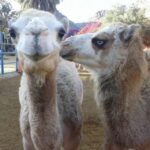
This workshop starts with the goats for a reason. Cheese isn’t just a food project—it starts with animal care and the quality of the milk. When you see goats and learn how their routines connect to what ends up in the cheese, it changes how you think about flavor.
You can expect time focused on goats care and watching the fresh milk being collected. That observation piece is a big part of the value here because it gives you context for why this type of cheese is so closely tied to the farm.
And yes, farm settings come with their own energy. One review mentioned starting on a scenic terrace with friendly farm dogs before moving into cheesemaking. Even if your version is quieter, you can expect a relaxed, lived-in farm atmosphere rather than a sterile classroom.
Hands-On Cheesemaking: What You’ll Actually Do
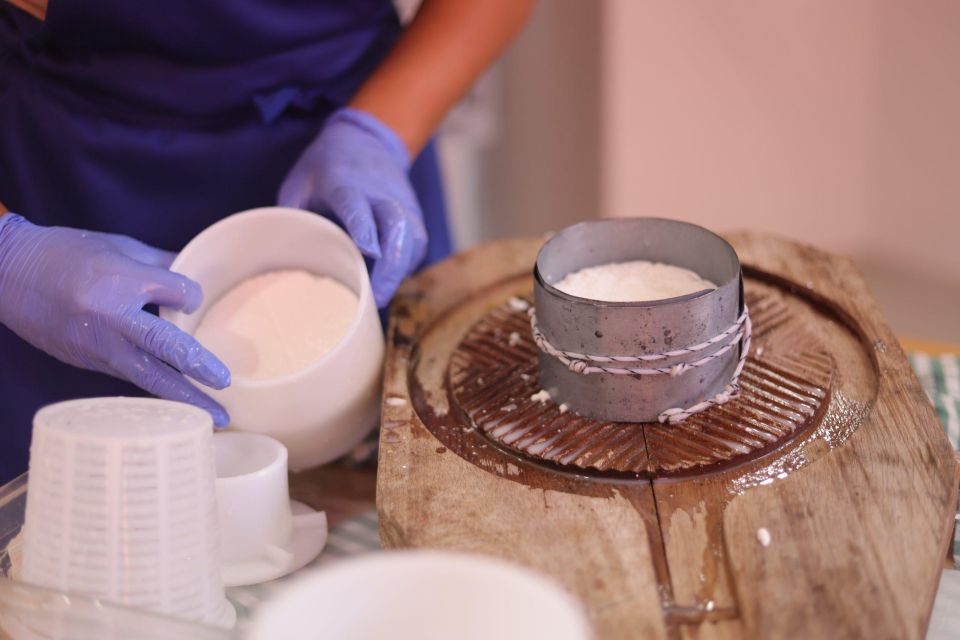
The workshop is guided and hands-on. The point isn’t just to see the process—it’s to get your hands involved in the meaningful steps.
You’ll learn the key cheesemaking phases, including:
- Coagulation (the moment milk changes into curds and whey)
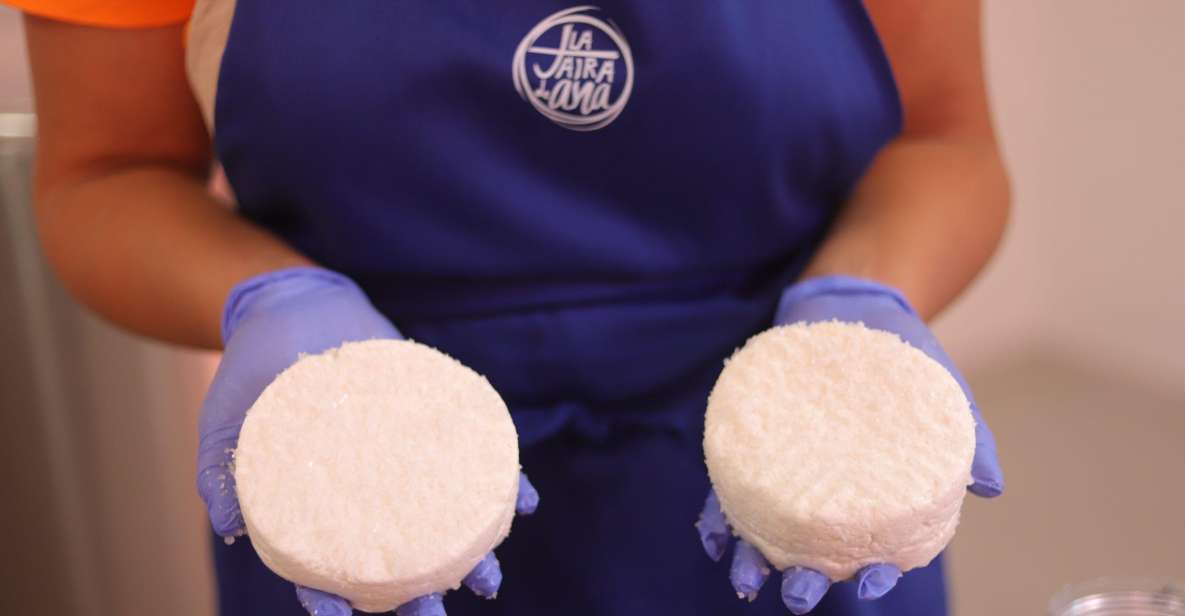
- Molding (shaping the cheese into its final form)
Those two steps are crucial because they influence texture and how the cheese will set. When you work through them yourself, you get a better sense of why timing and handling matter.
Sanitation is taken seriously. One of the best practical notes from past participants is that the cheese-making felt very sanitary, with gear such as hairnets and gloves. That’s the kind of detail you’ll appreciate when you’re learning by doing.
The instructor guides you throughout, so you’re not left alone with a pot of milk and a prayer. Still, come ready to participate—stir, handle, and follow instructions carefully.
The Dairy Visit: Turning a Recipe into Real Understanding
A lot of “food workshops” stop at the hands-on part. This one adds a dairy guided tour, and that makes a difference.
During the visit, you get to connect the theory and the process steps to the environment where cheesemaking actually happens. It helps you understand that the craft is a workflow—milk handling, timing, shaping, and getting the right conditions to produce a finished cheese.
This kind of tour also makes the class feel more grounded. Instead of only learning how to make cheese, you’re learning how a small operation thinks about quality and process. That’s the value add.
You can also read our reviews of more tours and experiences in Gran Canaria





Tasting Is Optional—But It’s a Smart Way to Judge Your Results
You’ll have the opportunity to taste the cheeses, but it’s not included in the base workshop price. Think of the tasting as your “okay, now I get it” moment.
Because you make cheese yourself, tasting becomes more than a sample. You can compare the flavors you helped create with the broader cheeses available during the workshop. You also get a clearer sense of what different stages or handling can change.
Should you pay extra for tasting? If you love food, yes—it helps you connect learning to flavor. If you’re on a tight budget or you mainly care about taking your own cheese home, you can skip it and still feel you got the full workshop experience.
Taking Your Cheese Home: How to Keep It in Good Shape
One of the most tangible rewards is that the cheese you make in the workshop is yours to take home, if you wish. You’ll also receive instructions for the best way to enjoy it later.
The practical note I’d follow: consider bringing a cooler. Cheese can spoil if it warms up too much, especially on warm days. A cooler makes the difference between a souvenir and a treat you’ll actually enjoy at home.
If you’re traveling without a lot of storage or you know you’ll be in transit for a while, this is worth planning early. Pack for temperature control just like you would with fresh dairy products.
Languages and Communication: What to Expect in English
The workshop is offered in Spanish and English. That’s great on paper, and it’s also where you should set expectations.
One past participant noted that communication could be difficult when the session leaned toward Spanish, and that English translation via a phone wasn’t always easy to understand. That tells me the English experience may depend on the instructor and the flow of the workshop.
If you’re comfortable in Spanish, you’ll likely have an easier time following the details. If you’re not, you can still enjoy the class, but it helps to go in with patience—and have a translation app ready in case you need it.
Price and Value: Is $30 Fair for 3 Hours?
At $30 per person for roughly 3 hours, this is priced like a genuine small-group activity focused on real craft learning. You’re not only paying for ingredients in the abstract—you’re paying for instructor time, a guided dairy visit, the hands-on process, and the chance to take your own cheese home.
Here’s how I think about value:
- If you want a food memory you can bring home and keep (your cheese), that adds real value.
- If you care about learning technique (coagulation, molding), not just eating, the price feels more than fair.
- If you’re traveling on a tight schedule and only want a quick bite, you might feel it’s pricier than a snack stop.
For most people who like hands-on experiences, $30 for a 3-hour class plus a take-home cheese is a solid deal.
Who This Workshop Fits Best (And Who Might Skip It)
This is ideal if you:
- enjoy cooking classes or food workshops
- like learning how ingredients turn into finished products
- want a farm experience that feels practical and grounded
- love goat cheese or want to understand why it tastes the way it does
It might not be the best fit if you:
- only want a low-effort activity (you’ll be doing the work)
- need strong English instruction every step of the way
- have a hard time with food-handling tasks (even though the session is sanitary, it’s still hands-on)
Smart Tips Before You Go
These are small choices that make the workshop smoother.
- Wear comfortable shoes. Farm settings involve standing and moving.
- Bring your ID or passport for check-in.
- If you’re sensitive to strong smells, remember you’ll be in a cheese-making environment with fresh dairy notes.
- If you plan to take your cheese home, plan for cooling. A cooler is your friend.
Also, show up with curiosity. The best part of workshops like this is asking yourself what you’re seeing and doing—then noticing how it shows up in the final cheese.
Should You Book the Aguïmes Goat Cheese Workshop at La Jaira de Ana?
Book it if you want a hands-on, farm-based food experience that doesn’t just feed you—it teaches you. The combination of cheesemaking practice, a guided dairy visit, and the chance to take your cheese home makes it more valuable than many single-purpose tours.
Skip it if you want a passive experience or if you rely on flawless English instruction. In that case, consider whether you can handle some Spanish-based explanations, or whether your trip priorities lean more toward tasting-only activities.
If you’re a “make it, then eat it” person, this workshop is exactly your kind of plan.
FAQ
How much does the cheese making workshop cost?
It costs $30 per person.
How long is the cheese making workshop?
The workshop lasts about 3 hours.
What does the price include?
The price includes the cheese workshop, a cheese dairy guided tour, and the cheese you make in the workshop that you can take home (if you wish).
Can I taste the cheese?
Yes, there is an option to enjoy a small tasting, but it is not included in the price.
What languages are the instructors available in?
The workshop is available in Spanish and English.
What should I bring with me?
You should bring your passport or ID card and wear comfortable shoes. If you want to take the cheese home, bringing a cooler can help keep it from going bad.
Do I need to redeem a voucher in person?
Yes. You must redeem your voucher when you arrive at the location with the La Jaira de Ana staff.
Is there free cancellation?
Yes, you can cancel up to 24 hours in advance for a full refund.