REVIEW · GRAN CANARIA
Gran Canaria: Maspalomas Surf Lessons
Book on GetYourGuide →Operated by Canary Wave Surf School · Bookable on GetYourGuide
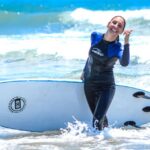
Maspalomas waves teach you fast. Canary Wave Surf School in Gran Canaria keeps the session practical with small groups (up to 8) and multilingual instructors (Spanish, English, Italian). They’ll aim for the best surf setup of the day around Maspalomas and Meloneras, not just a random shoreline.
I also like how the instructors coach you with clear, hands-on technique, so your first attempts don’t feel like guesswork. Names like Rayco and Coach Tony come up in feedback for being attentive and detailed, including lots of corrections in the moment so you know what to try next.
One consideration: if the beach gets crowded with other schools, you can face more waiting for a safer wave and a bit more risk of bumping into boards during busy moments. It’s not the school’s fault, but it’s worth knowing.
In This Review
- Key things to know before you book
- Canary Wave in Maspalomas: why this surf lesson makes sense
- Price and value: is $58 a fair deal?
- Where you meet and how the lesson actually starts
- The lesson flow: theory first, then real wave time
- Where you surf: Maspalomas, Meloneras, and the day-of-waves strategy
- Coaching style that builds confidence fast
- Equipment, sun care, and the small practical touches
- Photos, souvenirs, and what to ask for
- Who this surf lesson is best for
- Should you book Canary Wave Surf Lessons in Gran Canaria?
- FAQ
- Where is the meeting point for Canary Wave Surf School?
- How long is the surf lesson?
- Do they pick up from hotels?
- What languages do the instructors speak?
- Is the lesson for beginners or only experienced surfers?
- What surf equipment is included?
- Do I need to bring sun protection?
- What beaches might the lesson use?
- Can the lesson start time change?
Key things to know before you book
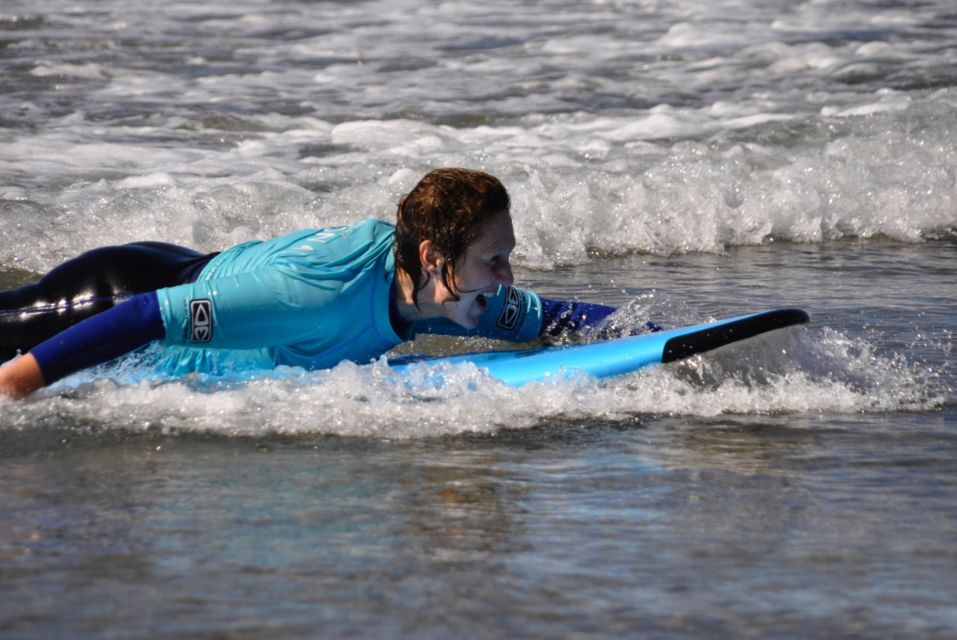
- Small groups up to 8 means more attention and more chances to practice your stance and timing.
- Best-waves plan: the team goes where conditions look best that day (often Maspalomas or Meloneras near the lighthouse).
- Multilingual coaching in Spanish, English, and Italian keeps things clear from theory to board time.
- AC surf van routing: if conditions aren’t great at the home beach, you may be moved to where the waves are better.
- Gear and insurance included, plus sunprotector cream and water to drink, so you’re not scrambling on arrival.
- Photos available by request adds a nice souvenir without needing to handle your phone in the surf.
Canary Wave in Maspalomas: why this surf lesson makes sense
Gran Canaria’s south coast is built for easy learning days. Maspalomas is famous for its long stretches of sand and strong surf culture, and it’s close to where you’ll likely be staying if you’re in Playa del Inglés. Canary Wave uses that advantage well by running lessons in a compact area and then adapting if the sea is behaving differently than expected.
The big win here is the coaching style tied to the group size. When you’re with up to 8 people, the instructor isn’t just giving general pointers to the whole beach. You tend to get corrections on what you’re doing wrong and what to try on the next attempt.
There’s also a real “community” vibe in the way they describe the surf spirit. You can feel it in the feedback about instructors being friendly, professional, and passionate. That matters because surfing is part technique, part nerves. If your guide keeps things upbeat while also keeping you safe, learning clicks faster.
You can also read our reviews of more tours and experiences in Gran Canaria
Price and value: is $58 a fair deal?
At $58 per person for a lesson listed at around 2 hours, this is priced for people who want a real introduction without paying for a private instructor. What makes the price feel reasonable is what’s wrapped into the fee.
You’re not just paying for someone to watch you paddle. The included kit covers:
- wetsuit (short or long) and leash
- rashguard
- surfboard (and bodyboard is included too)
- sunprotector cream
- insurance
- theoretical and practical instruction
- water to drink
- photos of the class (ask for availability)
That combination is where the value comes from. If you had to rent gear yourself and then pay separately for coaching, the total usually climbs fast. Here, you show up and you get kitted out properly for the conditions, which is a big deal in the Canary Islands where the sun can be intense.
One note you’ll want to double-check when booking: the activity page says 2 hours, but the included description also references 3 hours of surf class. That could mean “class time” versus total time on the beach. When you confirm your start, ask which timing applies for your specific date so your day plan matches the reality.
Where you meet and how the lesson actually starts
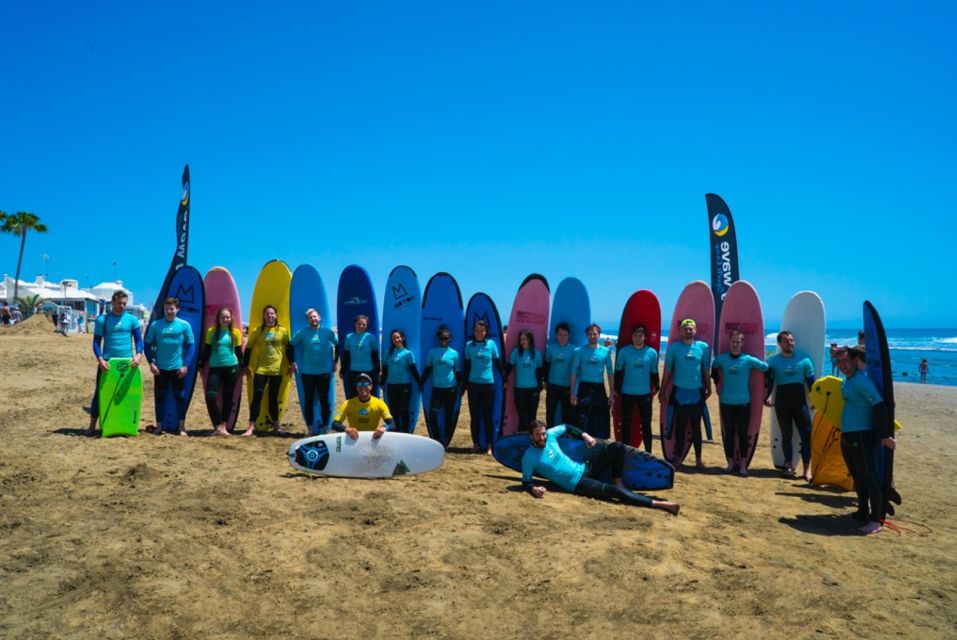
You meet Canary Wave Surf School by Nixon in the Oasis Shopping Center area by the Maspalomas beach. The description places it behind the Red Cross lifeguard tower. It’s a straightforward meeting spot, and it also puts you near the kind of services you might want after a wet morning: showers, cafés, and easy walking back to hotels.
Most lessons start in the morning, and the usual meetup time is listed as 08:30. The exact start can shift based on sea conditions. That’s common for surf schools, because wind and swell quality matter more than a clock. You should plan your morning flexibly, and expect the provider to contact you if the time changes.
If you’re hoping for pickup: you can request it from your accommodation, but pickup is only specified for the Maspalomas Playa del Inglés area. If you’re staying outside that zone, you’ll likely need to make your own way to the meeting point.
The lesson flow: theory first, then real wave time
This course is built around a theoretical and practical format before you get fully into the water. That structure matters because surfing punishes guesswork. Even if you’re totally new, a short theory segment helps you understand what you’re aiming for and what safety habits you should follow before you’re out there.
After the briefing, you get into the “try it, then refine it” part. In a good first lesson, you don’t just want to stand once and call it a win. You want repeated attempts with quick feedback. That’s exactly what the small-group setup supports.
Feedback connected to this school points to instructors being attentive and encouraging, with enough time to correct beginners step-by-step. If you’ve been worried that a first-time surf lesson will be boring or confusing, this is the kind of setup that avoids that trap by moving from basics into action fast, while still keeping you feeling safe.
As you improve, the lesson is designed for different levels: Beginners, Intermediate, and Advanced. Even without a public “drill list,” the practical takeaway is that you won’t necessarily be taught the exact same way as everyone else. The group type supports adjusting to your skill level so your time in the water isn’t wasted.
Where you surf: Maspalomas, Meloneras, and the day-of-waves strategy
The course often runs on Meloneras beach or Maspalomas beach, next to the lighthouse area. Still, it can change depending on weather and sea conditions. That flexibility is the point: you want waves that are workable for learning, not just waves that look dramatic from shore.
Another detail that helps: they have a surf van with AC to move you around the island if conditions are weaker at the home beach. If you’ve ever done a tour where you arrive at a “maybe” location and then spend the whole time hoping for better weather, you’ll appreciate this style. It turns uncertainty into a managed plan.
For your day, the practical reality is this:
- Expect the beach location to be confirmed by the team.
- Give yourself buffer time in the morning.
- Plan to be a little hands-on in the logistics mindset, since surf conditions drive the schedule.
Also, keep in mind that school spots can get busy. Some feedback notes waiting can be longer for a safer wave when multiple groups are out at once. That’s not unique to Canary Wave, but it can affect how “productive” your practice feels on a given day. If you’re sensitive to crowding, try to go at a time when the surf schools aren’t all clustered at maximum.



Coaching style that builds confidence fast
The strongest theme in feedback is instructor quality, especially for first-timers and people who feel self-conscious. What you want from a surf instructor is a balance of safety, clarity, and energy.
At Canary Wave, instructors are described as:
- friendly and professional
- passionate about surfing
- encouraging when something doesn’t work
- detailed with corrections while you’re trying
Specific names show up in the feedback. Rayco is mentioned as a great beginner coach, and Coach Tony is noted for being detailed and for catching mistakes as they happen. If you learn best from “do this, not that” coaching rather than vague tips, these are the kinds of instructors you’ll want.
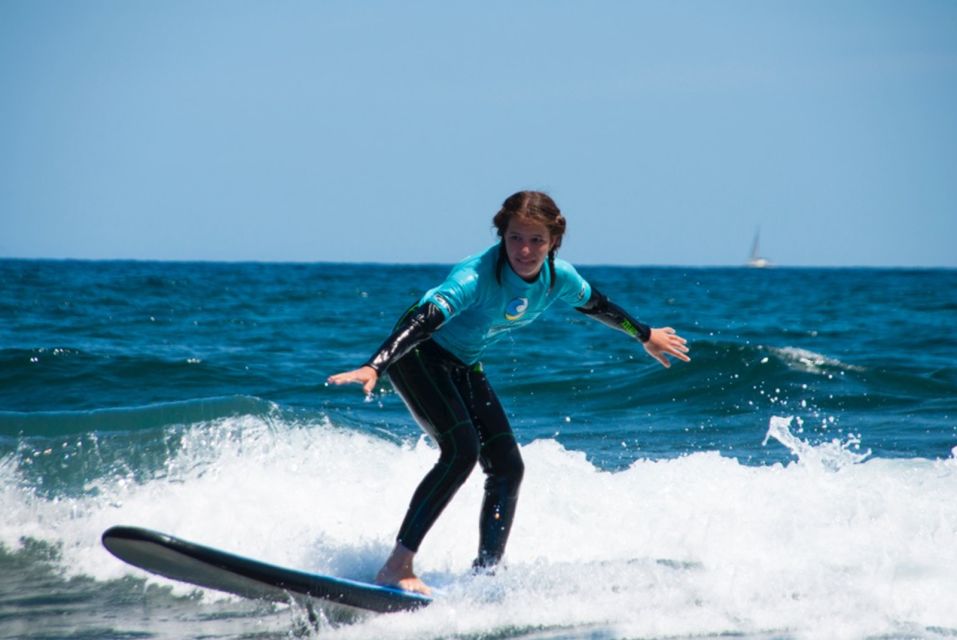
For you, the payoff is not just standing up once. The school’s teaching approach aims to get beginners surfing within the first session for many people, including those who aren’t athletes or who are returning to sport after a long break. That doesn’t mean every attempt works immediately, but it does mean your time isn’t spent staring at the ocean wondering what you should be doing.
Equipment, sun care, and the small practical touches
Surf lessons go sideways when gear doesn’t fit or you’re unprepared for the sun. Here, you’re covered in a few key ways.
You’ll be provided with:
- the right wetsuit and leash
- a rashguard
- a surfboard (plus bodyboard)
- sunprotector cream
- insurance
- water to drink
The sunprotector detail is worth noticing. South Gran Canaria sunshine can be intense even when the air feels breezy. Having sun protection included means you don’t arrive thinking you’ll just buy it at the last second.
What you still need to bring:
- swimwear
- towel
That’s it, which is refreshing. No long packing list. Still, I’d consider bringing a spare towel or a small change of clothes for after, since you’ll be wet and sandy and you’ll want to reset quickly.
Photos, souvenirs, and what to ask for
One extra perk that’s easy to miss: they offer photos of the surf class. You’ll want to ask about availability in advance, since it’s not guaranteed in the wording. If you’re traveling and don’t want the hassle of managing a camera near the surf zone, this can be a simple way to capture the win moments—your first clean ride, a group shot on land, or the “I tried” proof.
Who this surf lesson is best for
This is a strong choice if:
- you’re in or near Maspalomas / Playa del Inglés
- you want small-group coaching
- you’re a beginner who needs structure and encouragement
- you want multilingual instruction (Spanish, English, Italian)
- you’d like to improve without paying for a private lesson
It may feel less ideal if:
- you’re extremely bothered by crowded beaches and wave waiting
- you’re expecting the exact same surf location every time (the school changes spots based on sea conditions)
If you’re traveling with kids, the data here doesn’t state minimum ages, so you’d need to confirm age requirements when you book. If you’re an experienced surfer, you might still enjoy it for coaching and feedback, but make sure the level you choose matches your goals since the program is designed to serve multiple skill tiers.
Should you book Canary Wave Surf Lessons in Gran Canaria?
Book it if you want a lesson that’s practical, organized, and designed for real learning rather than just a beach experience. Up to 8 people, coaching in your language, gear plus insurance included, and the day-of-waves strategy are all signs you’ll get your money’s worth.
Skip or ask extra questions if you hate uncertainty in location and timing. Surf conditions can shift, pickup isn’t guaranteed outside the Maspalomas Playa del Inglés zone, and busy days at the beach can add waiting time for waves.
If your plan is: get to Maspalomas, spend a morning learning to surf, and leave feeling more confident than when you arrived, this is a solid call.
FAQ
Where is the meeting point for Canary Wave Surf School?
You meet at the Canary Wave Surf School by Nixon in the Oasis Shopping Center at the Maspalomas beach behind the Red Cross lifeguard tower.
How long is the surf lesson?
The activity duration is listed as 2 hours. The included description also references 3 hours of surf class, so it’s smart to confirm the exact schedule when you book.
Do they pick up from hotels?
Pickup from accommodation is available on request. It’s described as available in the Maspalomas Playa del Inglés area, while pickup outside that area is not included.
What languages do the instructors speak?
Instructors are listed as Spanish, English, and Italian.
Is the lesson for beginners or only experienced surfers?
It’s offered for different levels, including Beginners, Intermediate, and Advanced.
What surf equipment is included?
Equipment included includes a wetsuit (short or long), leash, rashguard, and a surfboard (bodyboard is also included). The lesson also includes theoretical and practical instruction plus insurance.
Do I need to bring sun protection?
Sunprotector cream is included. You still need to bring a towel and swimwear.
What beaches might the lesson use?
It’s usually carried out on Meloneras beach or Maspalomas beach next to the Lighthouse, but the location can change depending on weather conditions.
Can the lesson start time change?
Yes. The lesson usually starts in the morning (often around 08:30), but it can shift based on sea conditions, and the provider will contact you to confirm.