REVIEW · GRAN CANARIA
Gran Canaria Maspalomas: Surf lessons all levels
Book on GetYourGuide →Operated by South Coast surfschool · Bookable on GetYourGuide
Surfing starts fast here, with clear coaching. In Maspalomas, South Coast Surf School turns the ocean into a simple lesson plan for all levels. You get the kind of vibe that keeps things fun while you learn to read waves and stand up with real technique.
I love how the lesson is paced: beach instruction first, then a full 2-hour practice session in the sea. It’s also hard to ignore the consistency in the feedback about the instructor, especially Daniel, who gives individual pop-up and balance advice that’s easy to follow.
One thing to consider: there’s no hotel pickup, so you’ll need to get yourself to the meeting point near the beach bar and the red cross office.
In This Review
- Key highlights worth your time
- Maspalomas surf lessons: why this coastline works for beginners
- Meeting SouthCoast Surf School Flags: where to go and what to bring
- The beach classroom: pop-up technique and practical surf basics
- In the water for 2 hours: wave finding and technique you can feel
- What’s included in the $59 lesson price—and why it’s good value
- Language support: English, German, and Spanish coaching
- Instructor style: why Daniel keeps coming up in the best feedback
- Who should book this Maspalomas surf lesson
- Tips to get more out of your lesson in Gran Canaria
- Should you book South Coast Surf School in Maspalomas?
- FAQ
- FAQ
- How long is the surf lesson?
- Is this surf lesson for beginners only?
- What do I learn in the class?
- What’s included with the booking?
- What should I wear and bring?
- Where do I meet the instructors?
- Do they offer hotel pickup or transport?
- What languages are the instructors available in?
- Is it refundable if my plans change?
Key highlights worth your time
- All levels welcome, from first-timers to surfers looking to improve
- Beach theory + sea practice (the structure helps you actually use what you learn)
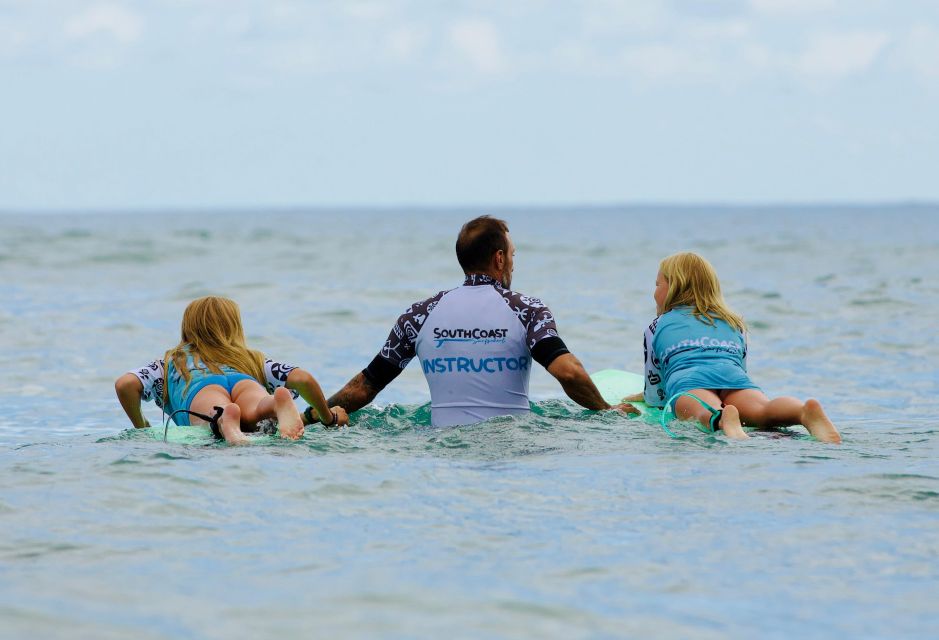
- Individual technique coaching, especially around the pop-up
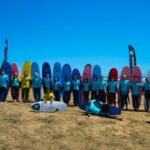
- Small-group feel, so you get attention rather than waiting your turn
- Gear and basics included: surfboard, wetsuit, mineral water, and fruit
- Safety covered with accident and liability insurance
Maspalomas surf lessons: why this coastline works for beginners
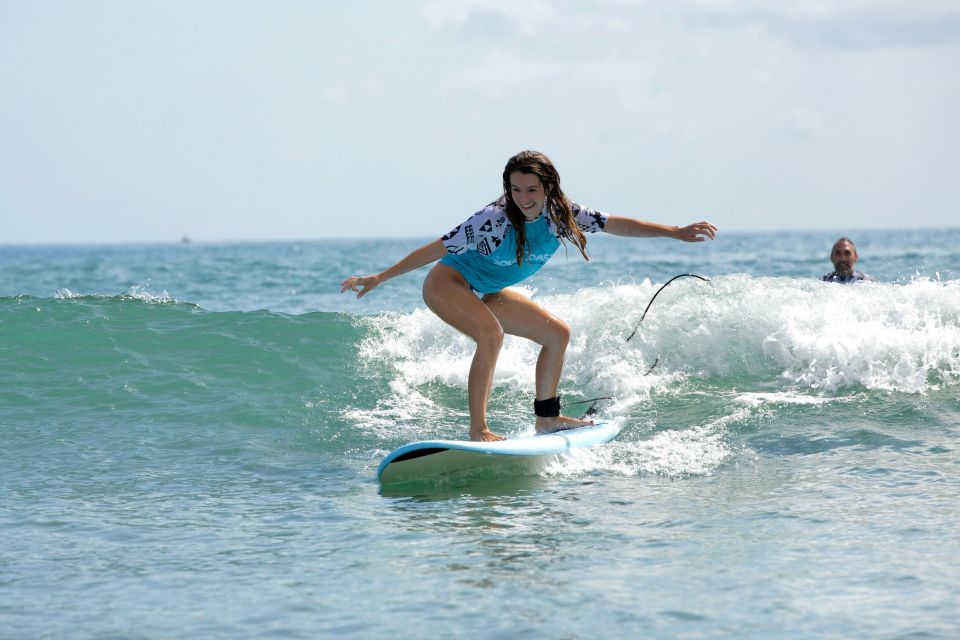
Maspalomas is a strong pick for learning because the whole area is built around easy access to the water and lots of places to train. Even if you’re nervous, the setting helps. You’re not hiking out to a remote spot where everything feels intimidating. You can focus on the basics.
South Coast Surf School also leans into the lesson mindset: the idea that the best surfer is the one having the most fun. That sounds like a slogan, but it matches what you want when you’re learning. You need a calm, repeatable routine, not pressure. The instructors’ 30+ years of ocean experience shows up in the way the class is organized, from beach work to getting you into the right rhythm in the water.
If you’re more advanced, you’re not just there to “watch.” The program is explicitly for beginners and advanced surfers, and the teaching approach is built around technique and wave finding rather than random riding.
You can also read our reviews of more tours and experiences in Gran Canaria
Meeting SouthCoast Surf School Flags: where to go and what to bring
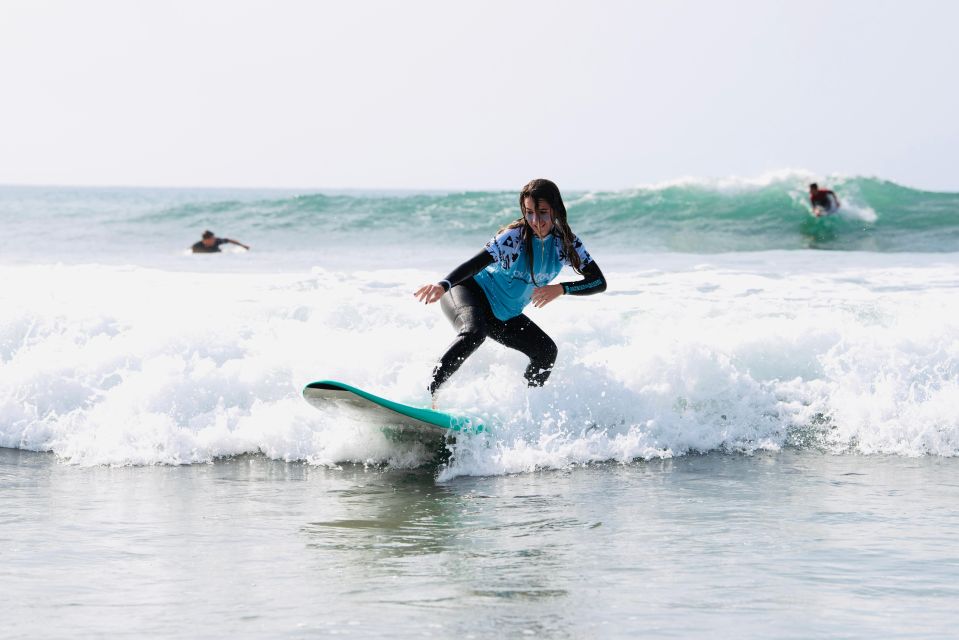
You’ll meet at the SouthCoast surfschool Flags, at the beach bar. It’s directly close to the red cross office, so you should be able to orient yourself quickly once you’re in the right stretch of sand.
Because hotel pick up isn’t included, build in a little extra buffer time to find the meeting point and get ready. This is the kind of activity where being early matters. If you show up rushed, you’ll lose the calm part of the experience, and learning surf basics is all about staying relaxed.
What to bring is simple, and you can keep it light: a swimsuit you don’t mind getting sandy, a towel, and a plan for sun protection. The class includes wetsuit use, but you’re still in Gran Canaria sun for a couple hours.
The beach classroom: pop-up technique and practical surf basics
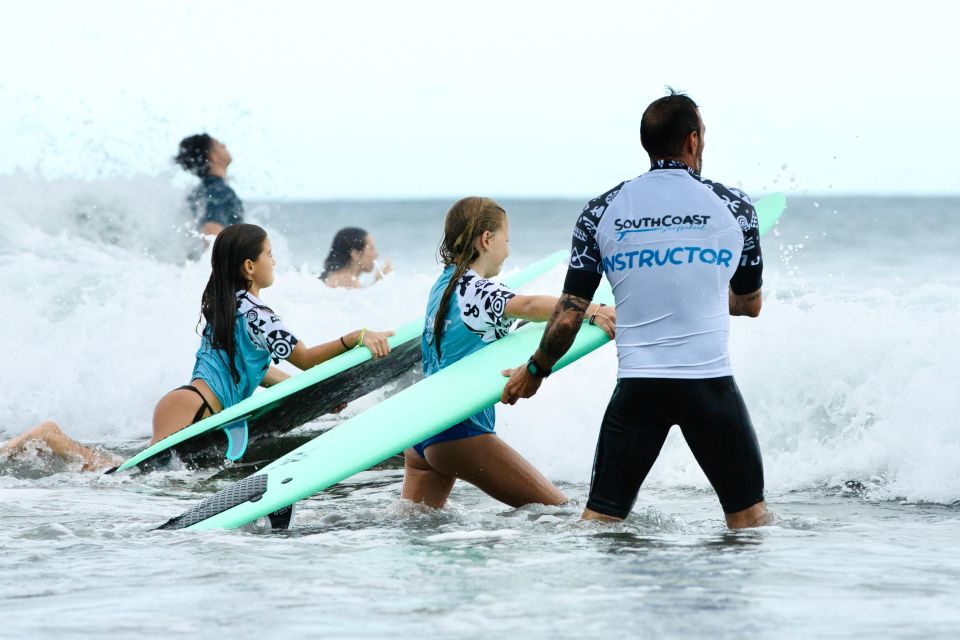
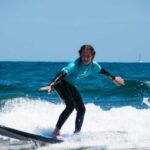
The lesson has a clear learning order. You start with a theoretical class on the beach, then you apply it in the ocean during a 2-hour practice session.
This beach time is where you build the foundation that makes standing up feel possible. Based on what people highlighted most, the instruction focuses on clear, simple steps, especially for pop-up technique and balance. That matters because the pop-up is usually where beginners get stuck: you can see the wave, you paddle, but then your feet don’t land right.
In the class format, you’re not just hearing theory. You’re getting correction. Coaches spend time on your positioning, then they guide you into practice. The feedback is described as patient and easy to understand, and that’s a big reason so many first-timers leave feeling confident instead of overwhelmed.
Also, don’t underestimate the value of a calm group environment. People noted the coaching kept nerves low and made the group feel relaxed for first-time surfers. That’s not fluff. When you’re relaxed, you paddle more efficiently and you react better when it’s time to stand.
In the water for 2 hours: wave finding and technique you can feel
After the beach session, you move into the sea. This is the part most people come for, and the structure supports learning instead of chaos.
During the practice session, the coaching aims for two things:
1) Help you find and use the right wave
2) Give you technique corrections you can apply immediately
That second point is where good surf instruction separates from generic “go have fun” lessons. In the feedback, the best moments were linked to personal advice—especially around pop-up execution—delivered before practice, then followed up while you’re out there.
In plain terms, you’ll spend time trying, resetting, and trying again with guidance. If you’re brand new and you feel you have a bad sense of balance, this is exactly the scenario the class is designed for. The instructor approach is described as supportive and patient, and people noted they could stand for short moments even on the first lesson.
If you’re not a beginner, you can still benefit because the program doesn’t treat you like you’re learning from scratch. It’s about improving skills and finding waves that match your level. One review also mentioned the instructor doesn’t push you past your comfort zone, which is reassuring when the water feels different from what you expected.
What’s included in the $59 lesson price—and why it’s good value
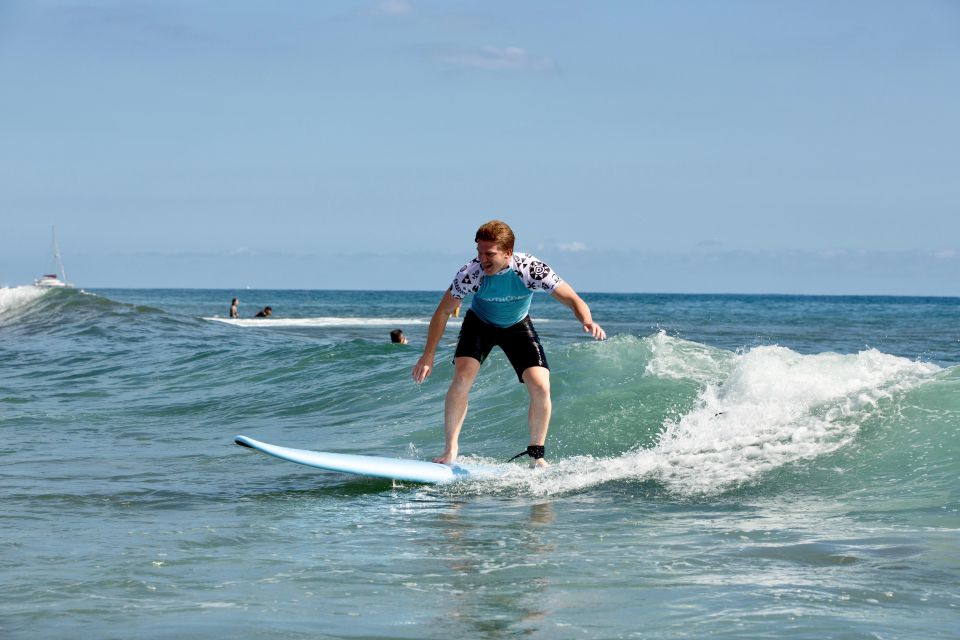
At $59 per person for about 2.5 hours, this lesson is priced like a true activity day, not a long multi-part tour. The value comes from what’s already handled for you.
Included:
- Surfboard
- Wetsuit
- Mineral water and fruit
- Accident and liability insurance
Not included:
- Hotel pick up
- Transportation
Here’s how that plays out for real life. Surf gear can cost real money if you have to rent it, especially a wetsuit, which often ends up being the hardest item to source quickly. Having the board and wetsuit provided means you can show up and start learning without hunting down rentals.
The snacks and water are also practical. You’ll burn energy paddling, then spend time in the sun. A basic boost helps you feel human instead of “hangry and sore” halfway through.
The insurance detail is the kind of thing you don’t think about until you need it. Accident and liability coverage gives peace of mind for a sport that involves water, equipment, and inevitable bumps.
So yes, the price is reasonable. But the better way to think about it is: you’re paying for coached time and safety basics, not just access to the shoreline.





Language support: English, German, and Spanish coaching
Communication can make or break a beginner experience. South Coast Surf School offers instruction in English, German, and Spanish.
From the feedback, the instruction is described as clear and simple, which usually means you’re not stuck with vague “just do it” coaching. People also noted the instructor’s ability to explain things across languages, which helps if you’re traveling with friends or family from different places.
If you’re choosing this lesson as a group activity, shared language can reduce stress. Everyone hears the plan, everyone understands what to practice, and nobody is left guessing.
Instructor style: why Daniel keeps coming up in the best feedback
Many lessons have friendly staff. This one’s different in the details people keep calling out.
Daniel’s coaching is repeatedly described as:
- Very clear with instructions
- Patient while you practice
- Focused on individual technique corrections
- Supportive for first-time surfers
- Relaxed and not pushy
That combination is gold for beginners. The fear isn’t only falling in. It’s also failing repeatedly without knowing why. Clear pop-up instruction and then personal corrections help you connect cause and effect fast.
There’s also a recurring theme of safety and comfort. People said they felt safe and that the instructor knew the conditions and kept the experience within what participants could handle. For you, that means you can learn without feeling like you’ve been thrown into the deep end.
Who should book this Maspalomas surf lesson
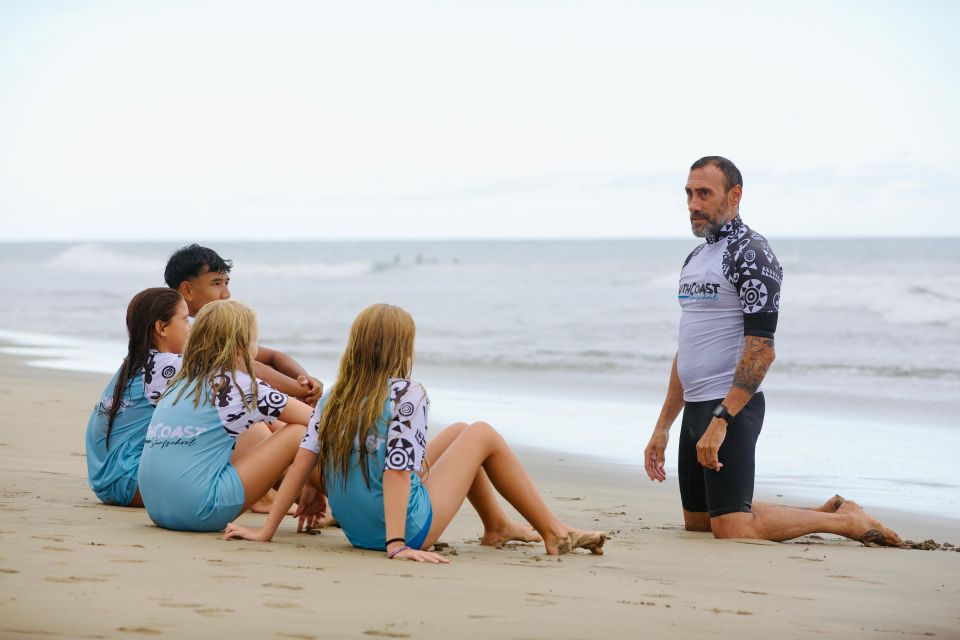
This surf lesson fits best if you want coached progress in a short time window. In about 2.5 hours, you’ll do beach basics and then get a real shot at riding, not just standing near the water.
It’s a good choice for:
- Absolute beginners who want a structured first lesson
- Parents traveling with kids (the teaching style is described as patient and supportive)
- Friends or couples who want small-group attention
- Intermediate surfers who want technique-focused coaching and better wave selection
If you’re the type who hates waiting, this is also a good bet. Feedback highlights that the groups are really small, so you get more time with the instructor while you’re in the water.
Tips to get more out of your lesson in Gran Canaria
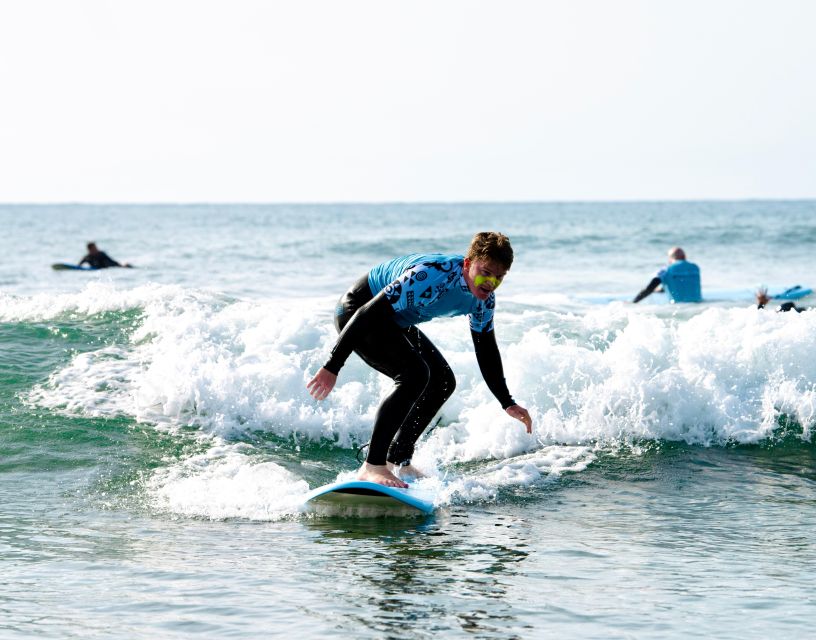
You’ll get the best results if you treat the session like a training block, not a one-time thrill.
A few practical things that help:
- Pay attention on the beach. The pop-up cues come first for a reason.
- Don’t fight your body. If the instructor suggests a correction, try it right away, even if it feels awkward at first.
- Keep your energy steady. The combination of paddling and sun can sneak up.
- Bring sunscreen and a plan for keeping your phone dry. You’ll likely want it for photos after you’re done.
And mentally: aim for a fun session where you learn the next step. That approach is exactly what the school advertises, and it lines up with the feedback pattern—people leave smiling because they feel progress.
Should you book South Coast Surf School in Maspalomas?
Yes, if your goal is a coached surf lesson with a friendly, structured pace. At $59, you’re getting surfboard, wetsuit, water and fruit, and insurance—plus beach instruction and a full 2-hour practice session. That’s solid value for a short stay in Gran Canaria.
Book it especially if you’re new to surfing or if you want an instructor who corrects technique without pressure. The repeated themes—clear pop-up coaching, patience, and small-group attention—are exactly what you want when you’re learning to stand.
If you’re staying far from the beach and don’t want to handle logistics, then the lack of hotel pick up is your main drawback. Still manageable, just plan your own transport.
FAQ
FAQ
How long is the surf lesson?
The experience lasts 2.5 hours total, with a theoretical class on the beach and a 2-hour practice session in the sea.
Is this surf lesson for beginners only?
No. It’s designed for both beginners and advanced surfers, with instruction guided step by step based on your goals.
What do I learn in the class?
You’ll learn basic surf principles and techniques during the beach theory session, then practice them in the water. For beginners, this is described as low to intermediate level learning.
What’s included with the booking?
The booking includes a surfboard, a wetsuit, mineral water and fruit, and accident and liability insurance.
What should I wear and bring?
You’ll be provided a wetsuit, so you’ll want a swimsuit underneath and a towel. You should also plan for sun protection since you’ll be outdoors.
Where do I meet the instructors?
Meet at the SouthCoast surfschool Flags, next to the beach bar, directly close to the red cross office.
Do they offer hotel pickup or transport?
No. Hotel pick up and transportation are not included.
What languages are the instructors available in?
Instructors speak English, German, and Spanish.
Is it refundable if my plans change?
Yes. You can cancel up to 24 hours in advance for a full refund.