REVIEW · GRAN CANARIA
Guided tour of the Banana World
Book on Viator →Operated by Mundo Del Plátano Gran Canaria · Bookable on Viator
Bananas grow closer than you think. A guided trip through Trasmontaña mixes a working banana farm with a restored 1804 Canarian house, and the tour ends with banana tastings plus time in the shop. I also love how the guide’s story ties cultivation to what you’ll actually eat and buy, from banana jam to banana wine, but one catch is that the group size can feel too big for clear hearing on some tours.
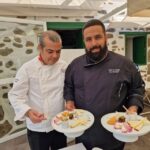
In the guides’ names alone you can tell this isn’t cookie-cutter small talk. Dani, Fatima, Ion, Maria, John, Ismael, JC, and Steve all show up in feedback for being friendly, funny, and quick to answer questions during that short visit.
Plan for a tight schedule: expect roughly 50 minutes to 1 hour, offered in English, and capped at 40 travelers. If you’re arriving late or confused by the meeting point, you can miss the start—so get yourself to the exact entrance area and be ready to check in.
In This Review
- Key highlights
- What you’re really buying: a guided banana farm plus museum stop
- Trasmontaña and the Gran Canaria Banana Museum in an 1804 house
- The banana cultivation walkthrough: what you’ll learn on the farm
- Tastings and banana products: wines, montaditos, and the shop loop
- Price and group size: how $18.14 fits the real-world experience
- Getting there: Cam. del Laurel in Arucas and public-bus options
- From Las Palmas (simple bus planning)
- From cruise port: practical 210-bus guidance
- What the timing feels like on the ground
- Who should book Banana World (and who might want to skip it)
- Should you book Banana World in Gran Canaria?
- FAQ
- How long is the Guided tour of the Banana World?
- How much does it cost?
- Is the tour offered in English?
- Where does the tour start?
- Does the tour end at the same meeting point?
- What’s included in the tour?
- What is not included?
- What’s the group size limit?
- Is free cancellation available?
- Does weather affect the tour?
Key highlights
- Restored 1804 Canarian house inside the banana museum area, used as an interpretation center
- Banana farm walkthrough with cultivation basics you can actually use at home
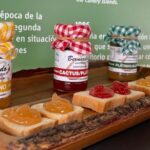
- Tastings included: banana-based wines plus montaditos with banana jam, banana with cactus, and banana with aloe vera
- Artisan shop time for banana jams, Banana Wine, and banana-based cosmetics
- Family-friendly pace, typically short enough for kids and busy adults
- Small-group feel goal (max 40), but some tours may still feel crowded if staffing can’t match demand
What you’re really buying: a guided banana farm plus museum stop
This isn’t just a “look at bananas” stroll. You’re paying for a guided loop that explains how bananas are cultivated in Gran Canaria, then connects that to the farm’s products you’ll see at the end. Even if you think you already know bananas, the tour format is built to correct that fast.
The vibe is part educational, part farm visit, and part tasting room. I like that the experience stays focused on one place (Trasmontaña / the Gran Canaria Banana Museum area) instead of turning into a rushed drive-through.
The other reason this works for value is time. At about 50 minutes to 1 hour, you get a lot of “this is how it’s done” content without needing to block off half a day.
You can also read our reviews of more guided tours in Gran Canaria
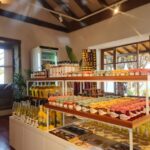

Trasmontaña and the Gran Canaria Banana Museum in an 1804 house
The museum stop is where the tour feels most special. You walk through a Canarian house dating from 1804, fully restored to match the original architecture. It’s not just a pretty set piece. The restored building houses the interpretation center and the on-site shop.
That interpretation center matters because it gives context before you start walking the farm. Instead of random facts, you get a framework for how banana cultivation works on the island—so when the guide points out plants and growing conditions outside, it clicks.
This is also where you’ll taste and browse. The shop is known for banana-based artisan products, including jams and Banana Wine, plus banana-made cosmetic lines. If you like “buy something you can bring home without regrets,” this part is built for you.
One practical note: check in promptly. Some meeting-point instructions can be vague, and a few visitors found it easiest to go inside the shop/entrance area to register rather than waiting outside.
The banana cultivation walkthrough: what you’ll learn on the farm
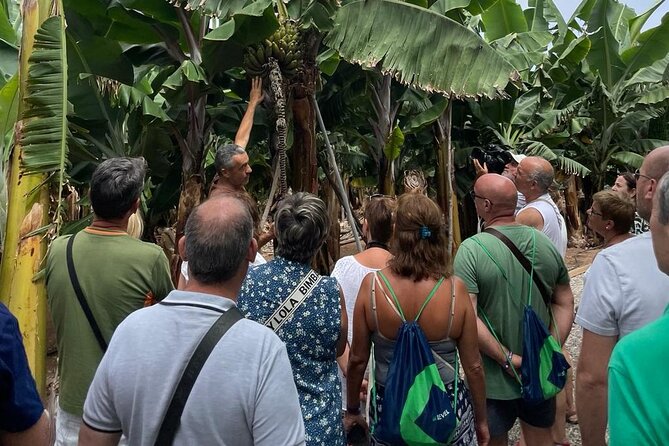
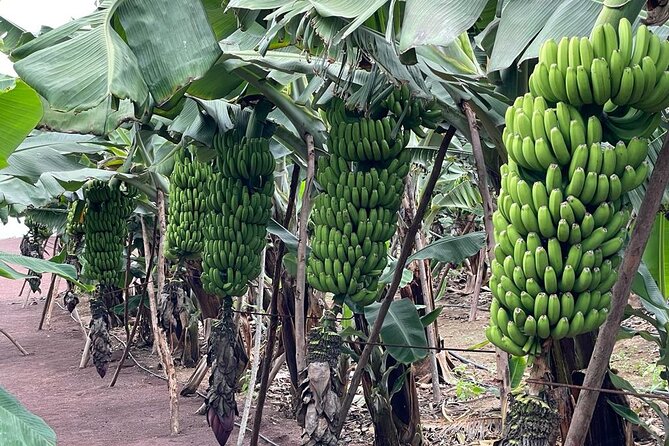
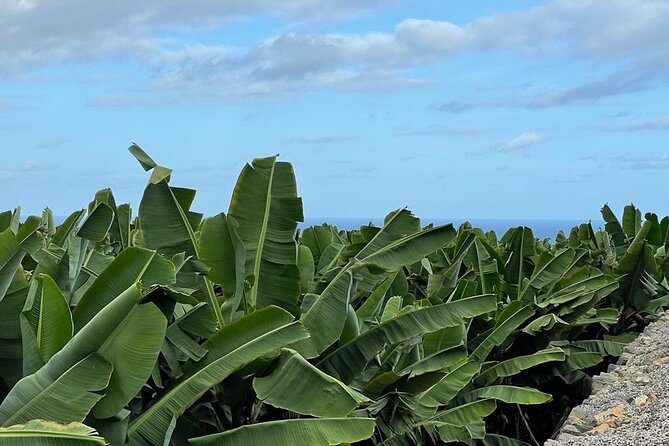
Your guided time on the farm is relatively short—about an hour total for the main stop—but it’s packed with cultivation basics. The guide’s focus is on the fruit as a plant and as a crop: how bananas grow, what’s required to cultivate them, and why the Canaries do it their own way.
The best part is that the explanation is meant to be interactive. Guides named in feedback—John, Dani, Fatima, Ion, Ismael, Maria, JC, and Steve—are repeatedly praised for being friendly and answering questions. That makes a difference for a tour like this, because banana farming has enough variables (varieties, growing conditions, harvesting reality) that a “tell me more” moment can turn a good tour into a great one.
That said, there’s a real trade-off: hearing can get tough in very large groups. One criticism was that the group size became so big that visitors struggled to see and hear the guide clearly. If you’re sensitive to noise or you learn better when you can hear details, aim for earlier slots (when available) or choose times that seem less popular.
Tastings and banana products: wines, montaditos, and the shop loop
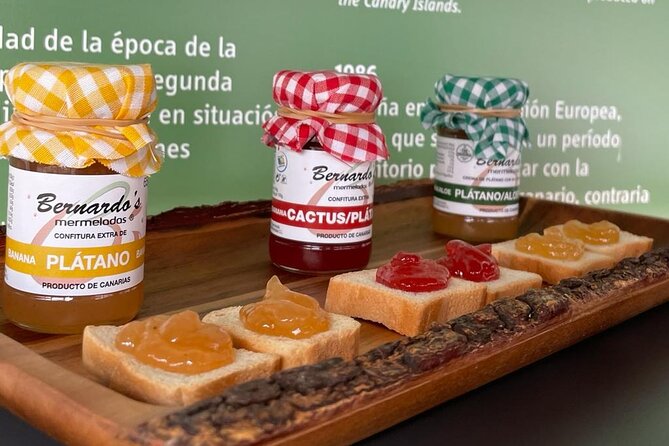
The included food and drink is a big part of why this tour feels worth $18-ish. You’ll get multiple tastings, not just one small sample.
Here’s what’s included:
- Alcoholic beverages: banana-based wines from the Canary Islands
- Snacks: montaditos with banana jam, banana with cactus, and banana with aloe vera
- Parking fees (so you’re not juggling that expense)
And the “bring-home” value continues after the tasting. The shop sells banana jam, Banana Wine, and banana-related cosmetics. A lot of the best feedback revolves around exactly that ending phase: people leave not just informed, but with bags of stuff they actually wanted.
If you’re thinking about flavor, don’t assume banana tastes only like banana. The included bites push into jams and pairings (like cactus and aloe vera) that make the whole experience feel more like a food-and-farm story than a simple museum visit.
Price and group size: how $18.14 fits the real-world experience
At $18.14 per person for about 50 minutes to 1 hour, the price makes sense if you care about two things: (1) learning from a guide and (2) getting included tastings plus shopping time. If you only want a quick look at bananas, you might feel it’s more structured than you need.
Two practical value questions to ask yourself:
- Do you enjoy guided explanations even when the time window is short?
- Will you actually use the tastings and shop to guide what you bring home?
If yes, this is a good deal. It’s also capped at up to 40 travelers, and many reviews rate it 5/5 with strong “recommended” numbers. Still, that size cap doesn’t magically fix crowd noise if one guide is managing a full room. One criticism directly called out that the group felt too big for one guide, so you may want to watch the day/time you book.
My take: for most people, the duration + inclusions are the sweet spot. You get education, you taste, and you leave without feeling like you got trapped in a long tour.





Getting there: Cam. del Laurel in Arucas and public-bus options
This tour starts and ends at the same place, which helps. The meeting point is listed as: Cam. del Laurel, 7, 35413 Arucas, Las Palmas, Spain.
In real life, the exact check-in area may be slightly different from the pin you’re given. Several visitors advised going straight to the entrance area (and entering the shop to register) instead of waiting outside at a vague meeting spot. If you’re early, don’t hang around expecting someone to come find you—go inside and get settled.
From Las Palmas (simple bus planning)
The activity is near public transportation, so you don’t need a car. If you’re coming from Las Palmas, you can use buses to reach Arucas and then walk a short distance to the starting point.
From cruise port: practical 210-bus guidance
If you’re starting at the cruise area (Muelle de Cruceros), the public-bus route is doable.
One straightforward approach described is:
- Take the 210 blue bus toward Arucas (GLOBAL – L210 Arucas)
- Get off at El Lomito
- Walk about 10–15 minutes to Cam. del Laurel (one address given is Cam. del Laurel, 10, 35413 Arucas)
To get back, you can use the 210 bus again, picking up directly across from where you were dropped off.
Bus rides were estimated around €1.50 per person each way, and you can pay with credit card or cash. If you’re traveling with time pressure (like cruise schedules), build in walking buffer because roads can be uneven for long stretches.
What the timing feels like on the ground
You’re looking at around 45 minutes to 1 hour, depending on how the day flows. The tour includes guided time, then a tastings moment and shop time.
That short schedule is a hidden advantage. You don’t need to plan a whole “banana day.” You can fit it between other activities around Las Palmas / Arucas.
It also helps families. Feedback includes a child as young as 3 enjoying the highlight of the visit, and many comments emphasize it works for both younger and older travelers.
Who should book Banana World (and who might want to skip it)
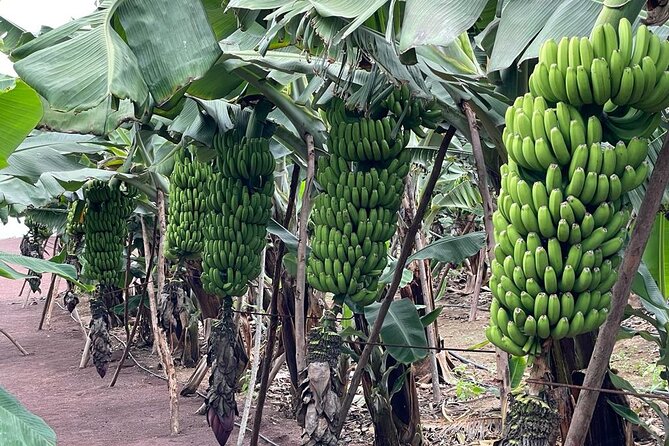
This tour is a strong match if you:
- want a short, guided farm experience rather than a long day trip
- enjoy learning how food actually grows
- like included tastings and don’t mind browsing a shop at the end
- travel with kids or want an activity that doesn’t require a major logistics plan
You might think twice if:
- you’re very sensitive to crowded rooms where hearing details may be a challenge
- you only want photos and zero structure (this is more guided than self-guided)
- you’ll be upset if the start feels easy to miss without prompt check-in
The upside is that even with the group-size criticism, most visitors still rate the experience highly, especially for the guide energy and the quality of the included tastings.
Should you book Banana World in Gran Canaria?
If your goal is an authentic, local-feeling banana experience with a guide, tastings, and a real chance to buy banana products you’ll actually use, I think it’s an easy yes. It’s good value because the cost is tied directly to what you get: a guided explanation, a restored historical house stop, and multiple banana tastings plus snack items.
Book it especially if you’re spending time around Las Palmas and want a quick win activity that doesn’t swallow your whole day. Just do two things before you go: confirm the exact check-in location for Cam. del Laurel, and plan to enter the site rather than waiting for someone to appear outside.
If you’re flexible and can pick a time when you expect a smaller crowd, you’ll likely enjoy the experience even more—because the tour’s strength is the guide conversation and hands-on explanation.
FAQ
How long is the Guided tour of the Banana World?
The tour runs about 50 minutes to 1 hour (approximately).
How much does it cost?
The price is $18.14 per person.
Is the tour offered in English?
Yes, it’s offered in English.
Where does the tour start?
It starts at Cam. del Laurel, 7, 35413 Arucas, Las Palmas, Spain.
Does the tour end at the same meeting point?
Yes, the activity ends back at the meeting point.
What’s included in the tour?
It includes banana-based wine tastings, snacks (montaditos with banana jam, banana with cactus, and banana with aloe vera), and parking fees.
What is not included?
Coffee and/or tea and private transportation are not included.
What’s the group size limit?
The tour has a maximum of 40 travelers.
Is free cancellation available?
Yes. You can cancel up to 24 hours in advance for a full refund.
Does weather affect the tour?
Yes. The experience requires good weather. If canceled due to poor weather, you’ll be offered a different date or a full refund.