REVIEW · GRAN CANARIA
Gran Canaria: Rural Villages Guided Sightseeing Tour
Book on GetYourGuide →Operated by Discovery jeep safari · Bookable on GetYourGuide
Mountain villages, real views, and cave houses. This Gran Canaria guided day trip strings together Tejeda and Artenara with dramatic viewpoints and photo stops that feel a world away from the beach resorts.
I love how the route balances old village centers with scenery that changes every hour. The afternoon focus on cave houses in Artenara is the kind of stop you remember for the rest of your trip.
I also love the human factor: guides such as Kevin, Fabio, Uwe, Yan, Jose, and Juan are repeatedly praised for keeping the day fun and informative. One drawback to plan for is that the tour runs rain or shine, and the north-side temperatures can feel cooler than the south—so bring a light coat.
In This Review
- Key highlights you’ll feel right away
- Why this rural villages tour makes sense from Maspalomas
- Pickup in the south and the comfortable AC ride
- Mirador las Moscas and the sand-dune views that set the tone
- Fataga’s old center: coffee time with real local color
- Up toward San Bartolomé de Tirajana and Ayacata’s altitude feeling
- Tejeda: antique village center, break time, and almond bakery vibes
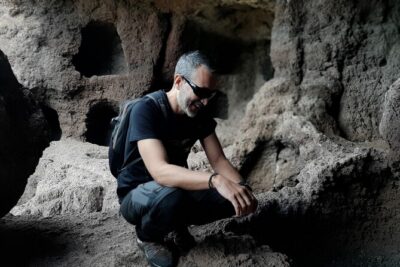
- Artenara’s cave houses: the most memorable stop on the route
- Viewpoints and the Laurel wood stretch: a quiet change of pace
- North coast shift: banana plantations and waves that do not mess around
- Las Palmas viewpoints and the long scenic return
- Lunch and tastings: optional, but plan your appetite
- How the stops actually feel in an 8-hour day
- Best-fit for your travel style (and who may not love it)
- Guides: why the storytelling can make or break the day
- Should you book this rural villages tour?
- FAQ
- How long is the Gran Canaria rural villages guided sightseeing tour?
- What’s included in the price?
- Is lunch included?
- Where does pickup and drop-off happen?
- What villages and sights are visited?
- Will the tour run in bad weather?
- What languages are the guided tours offered in?
- Is the tour suitable for people with mobility impairments?
- What should I bring, and what can’t I bring?
- FAQ
- How long is the Gran Canaria rural villages guided sightseeing tour?
- What’s included in the price?
- Is lunch included?
- Where does pickup and drop-off happen?
- What villages and sights are visited?
- Will the tour run in bad weather?
- What languages are the guided tours offered in?
- Is the tour suitable for people with mobility impairments?
- What should I bring, and what can’t I bring?
Key highlights you’ll feel right away
- Tejeda’s antique center and almond bakery stop for a classic Gran Canaria taste
- Artenara cave houses with a guided tour and an actual walk, not just a viewpoint
- Sand dunes and Mirador las Moscas plus other dramatic inland viewpoints
- Fataga’s old center stop with time to stretch, use the restroom, and grab coffee
- North coast waves (banana plantations on the way) for a strong change of scenery
- AC transport on an 8-hour loop that covers both sides of the island
Why this rural villages tour makes sense from Maspalomas
This is a day tour built for people staying in the south who still want the island’s interior and the north coast. You get a full circuit of viewpoints, mountain villages, and coastal scenery, all tied together by pickup and drop-off.
At $83 per person, the value is in what’s included: hotel pickup and drop-off, air-conditioned transport, and a live guide. You’re not paying extra for the basics just to reach the viewpoints and villages, which matters on Gran Canaria where driving times can add up fast.
Also, the pacing works if you want variety without doing hours of navigation yourself. You’ll have short breaks for photos and browsing, plus longer stops for the big hitters like Tejeda and Artenara.
You can also read our reviews of more guided tours in Gran Canaria


Pickup in the south and the comfortable AC ride
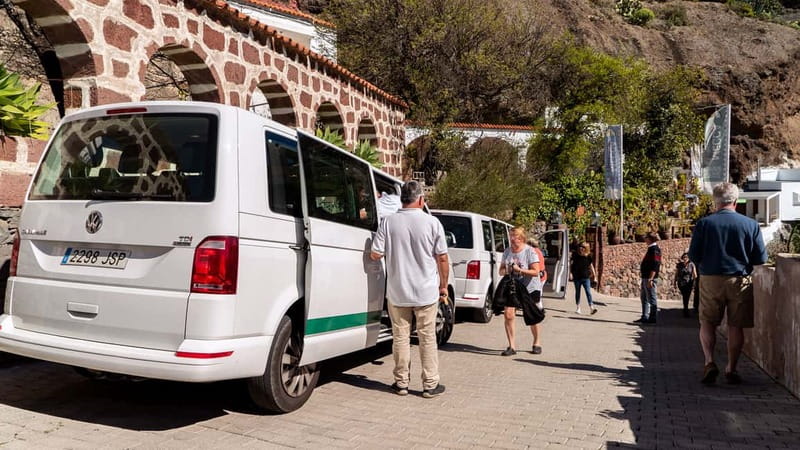
Pickup is available in the south of Gran Canaria, with a wide selection of hotel locations. If you’re around Maspalomas and neighboring resort areas (for example, Meloneras, San Agustín, and Amadores), you’ll likely be within the pickup zone.
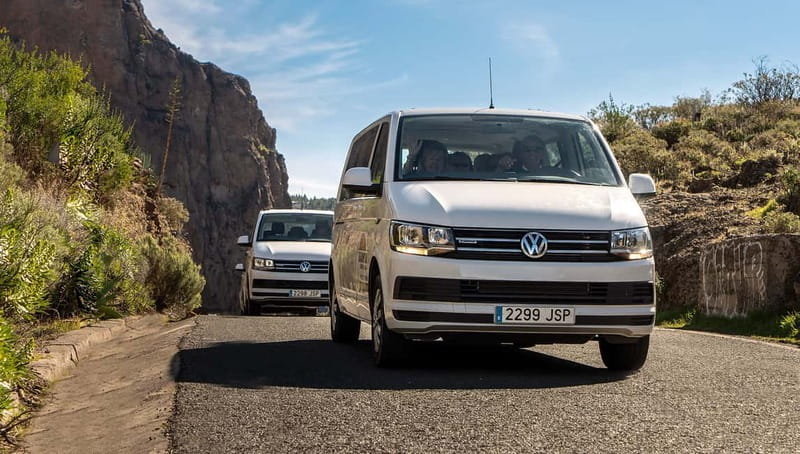
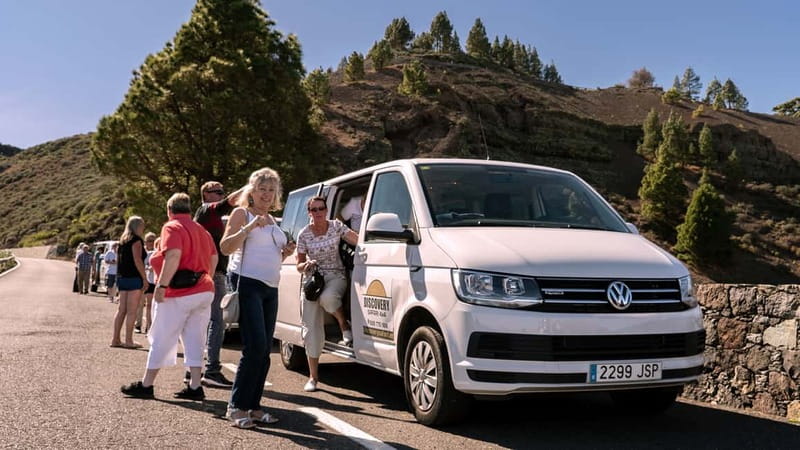
Once you’re loaded into the van, you’ll get a brief start-up moment and then move out for the scenic part of the day. Expect air-conditioned comfort, which several guides and guests note as a big advantage compared with open-jeep style tours on hot days.
A small but important planning point: you can’t bring luggage or large bags. Plan for a day bag, water, and whatever you need for photos. Wear comfortable clothes because you’ll be out and walking a bit at stops.
Mirador las Moscas and the sand-dune views that set the tone
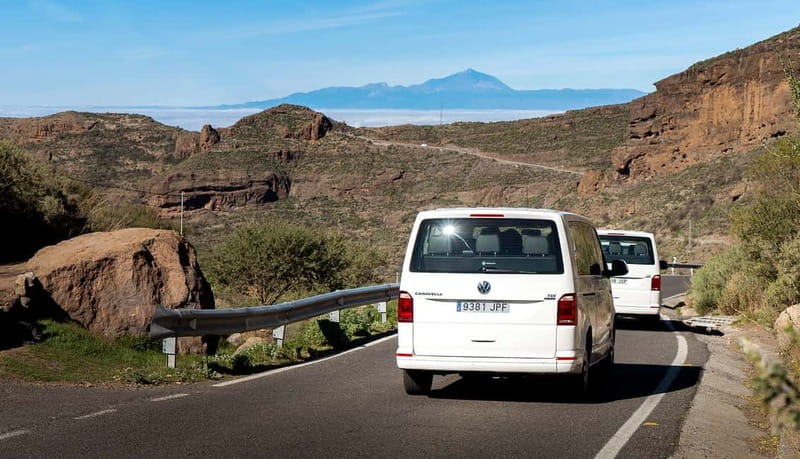
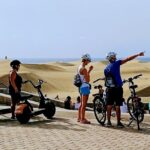
The day starts with the kind of drive that makes you look out the window even when you think you’ve already seen the island. You head out from Maspalomas and pass viewpoints like Mirador las Moscas, where the sand dunes and textures of the interior really come into focus.
This is where the tour earns its keep. Gran Canaria has that rare mix of volcanic ruggedness and bright, almost desert-like tones, and the best views are from roadside pull-offs and miradors—not from resort beaches.
You’ll also get the chance to snap photos without feeling rushed. The tour is designed with small stops and scenic driving time, so you can take your shots and still stay on schedule.
Fataga’s old center: coffee time with real local color
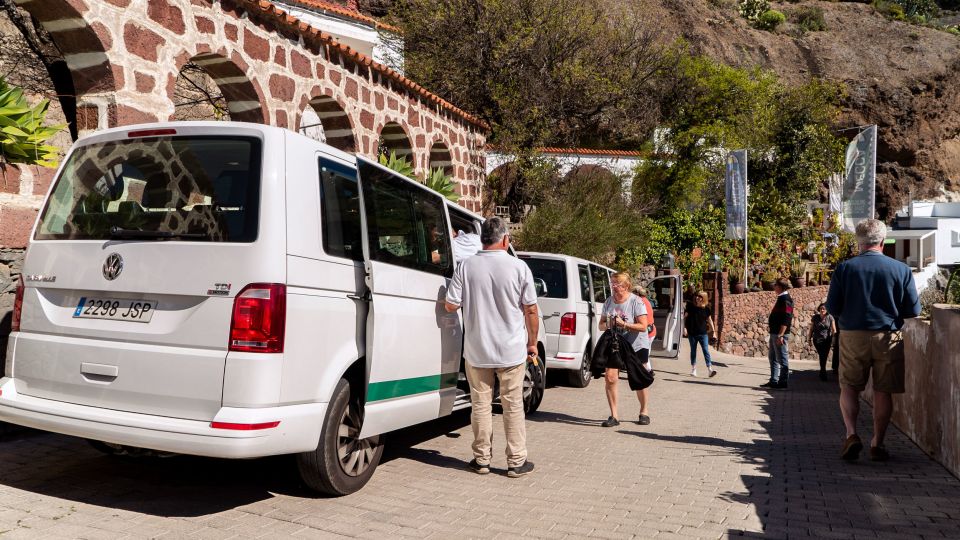
Fataga is the first village-style stop that feels like a break from the road. You get time here for photos and to explore the old center, plus the practical perks: you can use the restroom and grab a local coffee.
I like this stop because it’s not only scenic. Fataga gives you an in-between moment—enough time to slow down, talk with your guide, and notice details you’d miss at a longer bus-only stop.
It’s also a good spot to reset before the higher-altitude portion of the day. As you climb, the air can feel different, and your comfort level matters when you’re taking in viewpoints.
Up toward San Bartolomé de Tirajana and Ayacata’s altitude feeling
As you work your way toward the higher areas, the scenery starts to change again. You’ll pass through San Bartolomé de Tirajana and reach the Ayacata area on the way to Tejeda, which is described as the highest altitude point in this region.
This part of the itinerary is valuable for two reasons. First, altitude brings more sweeping lines of sight, so the photos look bigger and more dramatic. Second, it’s part of why this tour feels like it covers the island instead of just hitting a few token stops.
Keep an eye on the weather shift. Even if the south is warm, higher elevations and the north-side later can feel cooler.



Tejeda: antique village center, break time, and almond bakery vibes
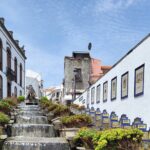
Tejeda is one of the tour’s strongest stops, and not just because of the view. You’ll have time to visit the antique center, take photos, and enjoy a short break.
One specific detail worth planning for: there’s a chance to stop at a famous almond bakery. Even if you’re not trying to turn your day into a food tour, this is a very Gran Canaria way to connect with what the island grows and how people snack.
Tejeda also works well for photos because it’s both village-forward and mountain-forward. You can wander a bit, then step into viewpoint territory and get that “island at work” look—terraced tones, stone textures, and the kind of light that makes landscapes pop on camera.
The only consideration: the stop time is limited, so choose what you care about most. If you want photos, prioritize vantage points first. If you want to browse, give yourself a calm pocket of time inside the village center.
Artenara’s cave houses: the most memorable stop on the route
If you’re picking one must-see on this tour, it’s Artenara’s famous cave houses. You’ll get a guided tour plus a walk, and that combination matters. Viewing cave dwellings from the road is one thing; stepping through and learning the story is another.
These cave houses are important on Gran Canaria because they reflect how people adapted to geology, climate, and housing needs. On a day focused on scenery, this stop adds something human and grounded.
I also love that Artenara is framed as a major attraction on the island, not a quick drive-by. You’ll have time to move around and absorb the layout and setting instead of racing to the next photo stop.
Viewpoints and the Laurel wood stretch: a quiet change of pace
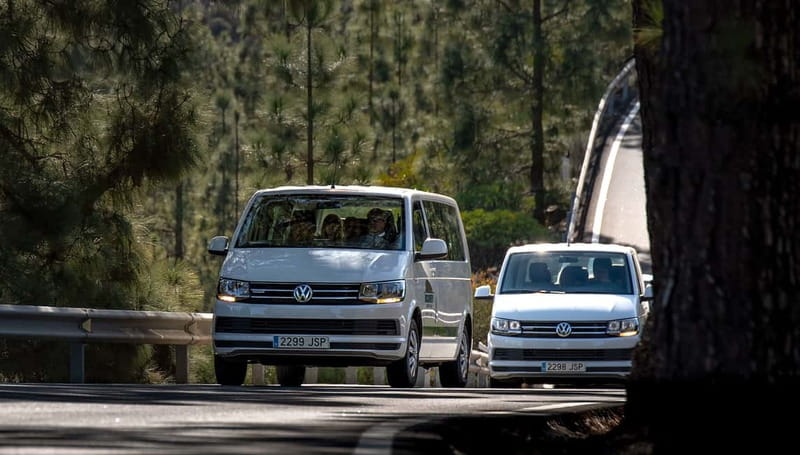
Between the big village moments, you’ll spend time on scenic roads that give the day its rhythm. There’s mention of moving through a Laurel wood street venture, which is exactly the kind of small “in-between” that turns a tour from a checklist into a trip.
This is the part where you can feel the island’s internal variety: vegetation and road textures change, and the sky can look totally different depending on the angle and elevation.
For your photos, this kind of stop is less about one iconic shot and more about capturing the mood. If you like atmospheric landscapes—roads, shadows, and textures—this portion delivers.
North coast shift: banana plantations and waves that do not mess around
After the inland mountain vibe, the route heads toward the north coast. You’ll pass banana plantations along the way, which helps explain why the island’s agriculture feels different depending on region and moisture.
Then you’ll stop by the North Sea, where the point is simple: watch the waves crash and take in the power of the coast. It’s a great contrast to the warmer, drier tones you saw earlier with sand dunes and village views.
A practical tip from past guests: pack something warm-ish for the north-side air. One reason the north coast can feel chilly is that it often sits cooler and more exposed than the south beach zones.
Las Palmas viewpoints and the long scenic return
You’ll also pass through or near Las Palmas and get time for scenic drives and viewpoints. These stops are often short, but that’s okay: the value here is the perspective shift. The island’s urban presence feels different when you’ve spent the day walking through rural villages and cave houses first.
As the tour winds down, you’ll follow the highway back down to the south for drop-off. The long scenic return is where the day either clicks for you or drags. If you like scenery and storytelling, it’s usually enjoyable because you’re still seeing real terrain, not just freeway miles.
Guides like Kevin and Fabio are often praised for keeping the energy up during the whole ride. If you’re someone who wants the day to feel guided from start to finish, that matters.
Lunch and tastings: optional, but plan your appetite
Lunch is optional, and tastings/drinks are not included. That sounds obvious, but it changes how you should plan your timing and your food decisions.
There’s an optional Canarian lunch offered at a mirador stop (you’ll also get photos over Las Palmas and Tenerife from there). If you do choose the lunch, treat it like a full meal moment, not a snack stop.
If you skip lunch, make sure you’re still set for the later north-coast portion. The day is long—8 hours—and some stops are photo-focused rather than restaurant-focused.
My best advice: if you’re picky about meals, bring a simple snack for between stops. Then decide on lunch based on the vibe when you reach the mirador.
How the stops actually feel in an 8-hour day
The tour has a full-day structure, but you’re not stuck in the van the whole time. You’ll get:
- Photo stops with quick windows to grab the shot
- Village time at places like Fataga and Tejeda
- Guided time with walking at Artenara
- Scenic driving stretches that connect the dots
It’s also rain-or-shine. If the weather turns, you’ll still do the core stops, but your photo strategy may change. Bring a light layer for wind and sudden showers because the north coast can be extra.
Best-fit for your travel style (and who may not love it)
This tour is a strong match if you want:
- A guided way to see both the interior villages and the north coast
- Major stops like Tejeda and Artenara without renting a car
- A day that mixes history-adjacent culture (cave houses) with scenery
It’s not ideal if you hate long drives or if you’re traveling with a lot of bulky luggage, since large bags aren’t allowed. It also isn’t suitable for people with mobility impairments, based on the tour’s stated limitations.
If you’re traveling solo, couples, or with friends, it’s an easy “one-day island education” pick. You’ll come away with a stronger sense of how Gran Canaria works beyond the resort strip.
Guides: why the storytelling can make or break the day
A big pattern in the feedback is that the guides bring personality. Names that come up include Juan, Jose, Charles, Kevin, Fabio, Yan, Uwe, and Louis—each praised for different styles, but all tied to the same goal: keep the day moving and make the stops make sense.
If you care about the why behind places (not just where), this tour’s guide-led structure is part of the appeal. The cave houses in Artenara and the village scenes around Tejeda are the kind of stops where a good guide turns scenery into understanding.
Even if your group language isn’t English, it’s designed to support multiple options: English, German, Italian, Spanish, and French.
Should you book this rural villages tour?
Yes, if you’re staying in the south and want an efficient, guided day that hits Tejeda, Artenara, Fataga, and the north coast. The price feels fair for what’s included—pickup, AC transport, and a guide—especially on an 8-hour loop that covers a lot of variety.
I’d book this tour even if you think you already know Gran Canaria from photos. The cave houses and the north-coast wave stop change the picture fast.
I would hesitate only if you’re extremely sensitive to cooler air on the north side or you prefer fully free-form wandering. This tour runs on a set route with scheduled stops, and it expects you to be comfortable getting out, walking a bit, and taking photos in the moment.
FAQ
How long is the Gran Canaria rural villages guided sightseeing tour?
The tour lasts 8 hours.
What’s included in the price?
Hotel pickup and drop-off, transportation in an air-conditioned vehicle, and a live tour guide are included. Lunch and tastings/drinks are optional and not included.
Is lunch included?
No. A Canarian lunch is optional.
Where does pickup and drop-off happen?
Pickup and drop-off are available only in the south of Gran Canaria. The provider confirms the exact pickup time and location after booking.
What villages and sights are visited?
The tour includes stops in Tejeda, Artenara, and Fataga, plus panoramic drives with viewpoints and north coast scenery.
Will the tour run in bad weather?
Yes. The tour operates rain or shine.
What languages are the guided tours offered in?
Guided tours are available in English, German, Italian, Spanish, and French.
Is the tour suitable for people with mobility impairments?
No, it is not suitable for people with mobility impairments.
What should I bring, and what can’t I bring?
Bring comfortable clothes. Luggage or large bags are not allowed.
FAQ
How long is the Gran Canaria rural villages guided sightseeing tour?
The tour lasts 8 hours.
What’s included in the price?
Hotel pickup and drop-off, transportation in an air-conditioned vehicle, and a live tour guide are included. Lunch and tastings/drinks are optional and not included.
Is lunch included?
No. A Canarian lunch is optional.
Where does pickup and drop-off happen?
Pickup and drop-off are available only in the south of Gran Canaria. The provider confirms the exact pickup time and location after booking.
What villages and sights are visited?
The tour includes stops in Tejeda, Artenara, and Fataga, plus panoramic drives with viewpoints and north coast scenery.
Will the tour run in bad weather?
Yes. The tour operates rain or shine.
What languages are the guided tours offered in?
Guided tours are available in English, German, Italian, Spanish, and French.
Is the tour suitable for people with mobility impairments?
No, it is not suitable for people with mobility impairments.
What should I bring, and what can’t I bring?
Bring comfortable clothes. Luggage or large bags are not allowed.