REVIEW · GRAN CANARIA
Gran Canaria: Banana World Guided Tour & Tasting
Book on GetYourGuide →Operated by MUNDO DEL PLATANO · Bookable on GetYourGuide
Bananas grow with real personality here. This short visit at Hacienda La ReKompensa mixes a guided plantation walk, museum learning, and a tasting session focused on Canarian banana products.
What I like most is that you get both the plant-world side (including thirteen banana types) and the food-and-drink side, with ocean views thrown in as a bonus backdrop.
One thing to consider: it’s not the right stop if you need mobility access, and the experience is designed to be brief (around 40 minutes), not an all-day excursion.
In This Review
- Banana World Key Highlights
- Hacienda La ReKompensa: where your banana tour starts
- Museo del Platano and the 40-minute guided walkthrough
- Meet the plants: thirteen banana varieties and real farm views
- Cultivation techniques and the Canary Islands banana story
- Tasting at the end: jams, banana wine, and other surprises
- Time and money: is $17 for Banana World a good deal?
- Who this tour suits best on Gran Canaria
- Should you book this Banana World guided tour?
- FAQ
- How long is the Gran Canaria Banana World guided tour?
- How much does it cost?
- Where do I meet the guide?
- What’s included in the ticket price?
- What languages are the tours offered in?
- Do I need to bring anything?
- Does the tour run in bad weather?
- Is the tour suitable for people with mobility impairments?
- Can I cancel or change my plans?
Banana World Key Highlights
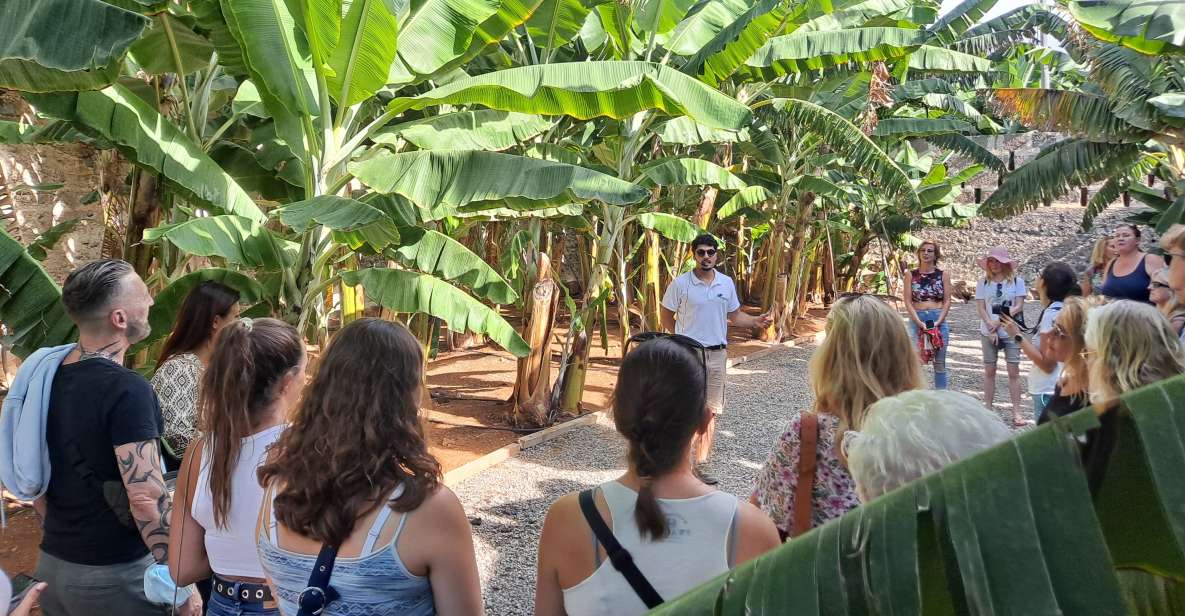
- Thirteen banana varieties shown during the guided tour, so bananas aren’t treated as one single thing
- Atlantic Ocean viewpoints plus museum stop: you’ll get scenery while you learn
- Big working plantation scale: more than 7,000 banana plants and 150 avocado trees on site
- Practical farming education on cultivation and harvest techniques used in the Canary Islands
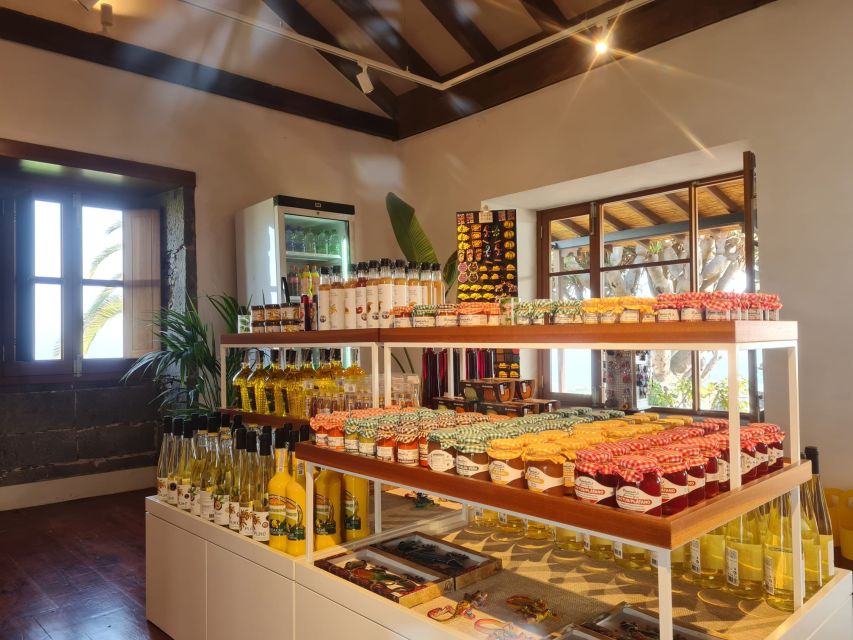
- Tastings of local artisanal products like jams and banana wines, plus a small shop to browse
- Restored historic setting: interpretation center and shop housed in a Canarian house dating back to 1804
Hacienda La ReKompensa: where your banana tour starts
You’ll start at Hacienda La ReKompensa at the Banana Museum. When you arrive, head toward the big parking area by the estate, then follow the signs that point to Banana Museum. The meeting spot is inside the museum.
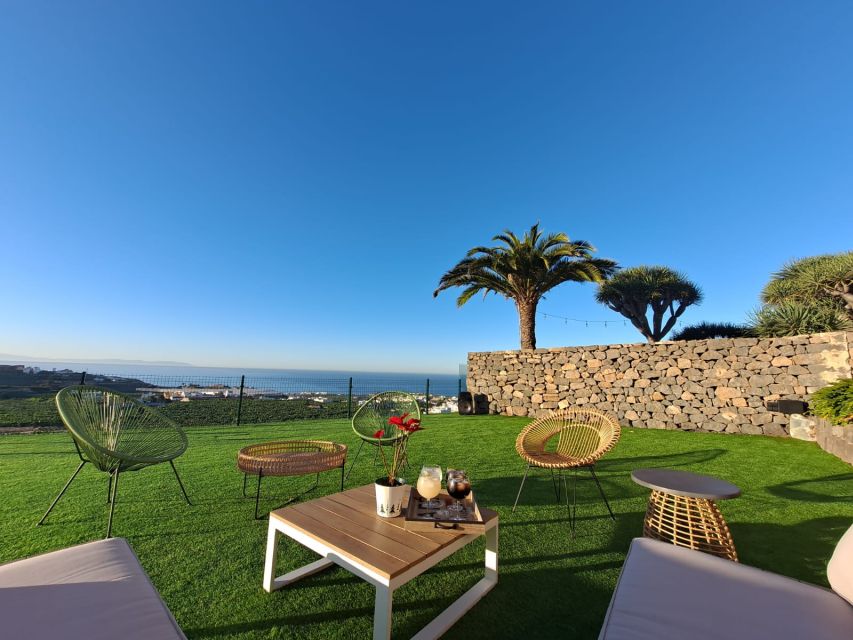
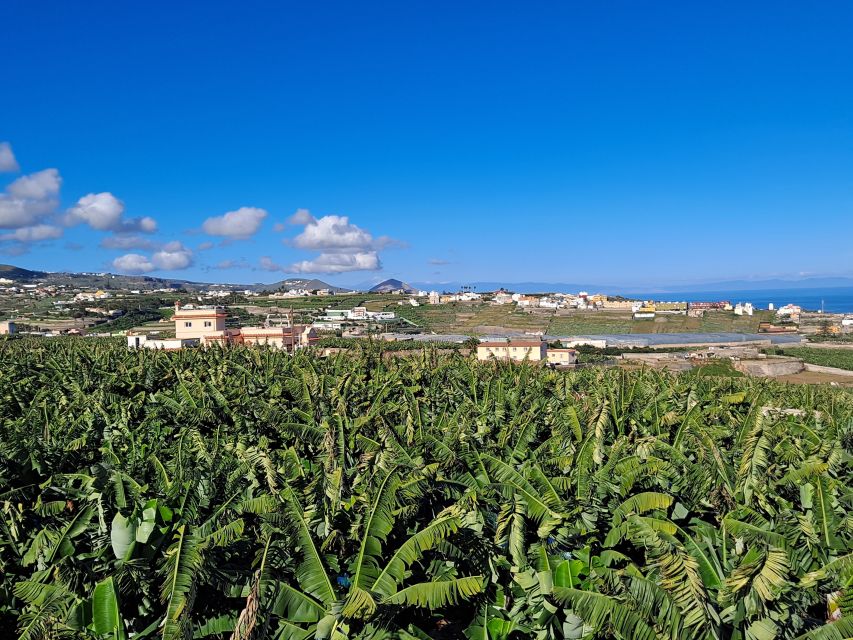
The setting matters here. This isn’t a roadside photo stop. The tour runs on a real farm property, spread across 56,000 square meters, so you can see how the whole operation fits together. Even before the guided part kicks in, the place feels designed for learning: you’re surrounded by plants, with open views over the island and the sea.
There’s also a restored-piece-of-history angle. Later on, you’ll visit an interpretation area and shop housed in a Canarian house dating to 1804. That mix—working plantation plus old-stone farmhouse—keeps the experience from feeling like a generic “tour and sample” setup.
You can also read our reviews of more food & drink experiences in Gran Canaria


Museo del Platano and the 40-minute guided walkthrough
This is a fast, focused visit. Expect about 40 minutes total, and the tour moves rain or shine. That quick timeline is a big part of the value: you can fit it into a half-day plan without losing an entire day to logistics.
Most of your guided time happens around the Museo del Platano portion. You’ll get a safety briefing, quick local snacks, and the guided explanation that connects banana farming today with how the Canary Islands developed their banana production. A live guide runs the tour in English and Spanish, and guides are often praised for keeping things lively and interactive—lots of time for questions, not a one-way lecture.
Here’s why I think that format works. Banana farming is simple to enjoy with your eyes—big leaves, fruit bunches, green rows—but it’s more interesting when someone explains what you’re looking at. In a 40-minute tour, you don’t get lost in too many details. You get the core story and the practical “how it grows” ideas, then you move on.
And if you’re worried about it feeling cramped or rushed, the good news is that after the guided section, you can typically roam the grounds at your own pace. That extra time helps you turn the information into something you actually remember.
Meet the plants: thirteen banana varieties and real farm views
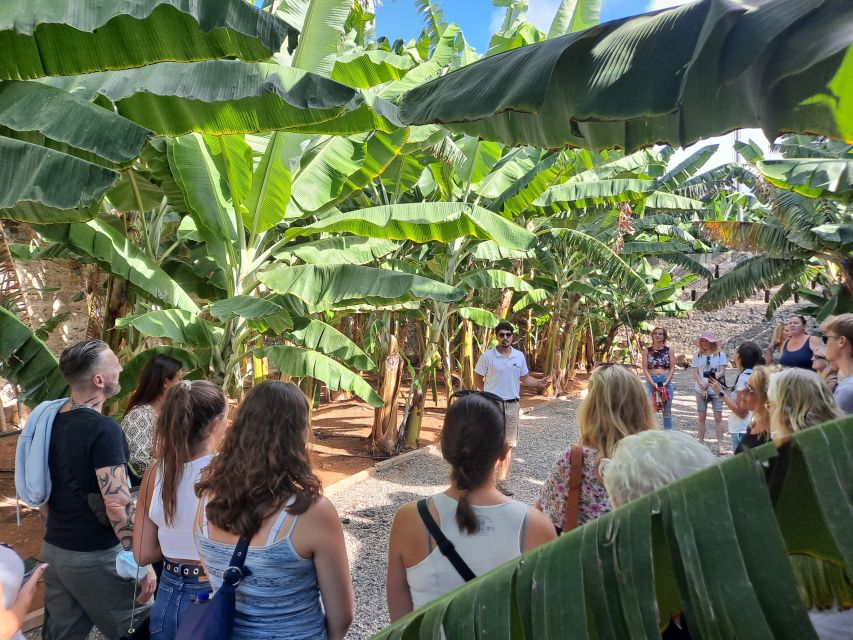
If you care about food, this tour gives you something rare: you see bananas as a set of varieties, not a single product.
On the farmland, you’ll learn about thirteen different types of banana. That number shows up for a reason: it keeps the experience from being repetitive. Instead of only looking at one banana “look,” you’re nudged to notice differences in plant size, growth patterns, and how the farm handles variety.
You’ll also notice the plantation isn’t only bananas. The property grows a wider set of crops, including 150 avocado trees and other fruit trees. That matters because it places bananas in context. You’re not just looking at a monoculture. You’re seeing a working farm ecosystem.
And then there’s the setting. The tour has unbeatable views over the Atlantic Ocean and the greenery of Gran Canaria. The museum viewpoint and the farmland perspective together make the place feel open and breathable—like a farm that’s meant for both work and visitors who want to look around.
One more practical note: wear comfortable shoes. The whole experience is short, but it’s still a walk on farm ground, and you’ll want stable footing.
Cultivation techniques and the Canary Islands banana story
The guided tour focuses on cultivation techniques and the history of banana production in the Canary Islands. You’ll hear how harvesting works on the farm and how the industry fits into larger supply chains—some guides specifically cover exporting and importing angles as part of the explanation.
What you’ll like here is that the tour doesn’t treat bananas as a mysterious supermarket item. It frames the banana plant as an agricultural process: plant, grow cycle, and harvest timing. Even though the total time is brief, the tour aims to give you a clear mental picture of how the farm’s daily rhythm turns into the products you’ll taste later.
If you enjoy people who can make agriculture sound human, you’ll probably latch onto the guide style. Many of the English-speaking guides are noted for humor and for answering questions in a way that keeps you engaged. Names that show up in the guide pool include Daniela, Shaira (spelling can vary), Jon, Steve, Ismael, and Maria. Whoever you get, the goal seems consistent: explain what you’re seeing and make it feel accessible.
Tasting at the end: jams, banana wine, and other surprises
This is where the tour pays off immediately. After you finish walking and learning, you’ll head into tastings of banana products made with Canarian bananas.
The tasting selection commonly includes things like:
- jams
- banana quince
- banana wine
- other products such as juices and similar artisanal items
Several guides also offer tastings that include sweeter preserves and alcohol-based products (like liqueurs or wines, depending on the set that day). A couple of visitors also noted tasting actual banana snacks as part of the experience, though the main focus is clearly the processed foods and drinks.
I like that they don’t pretend every banana-flavored thing tastes exactly like a fresh banana. Most of the products you try are more like banana-based recipes—think fruit-forward preserves and flavored drinks. It means you’re tasting the culture of banana in Canarian form, not just chasing one flavor idea.
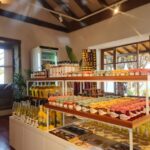
There’s also a shop component that goes beyond food. You may see cosmetic products made from banana, and the shop is housed in that restored 1804 Canarian house section. Even if you don’t buy anything, browsing helps you connect the tasting flavors to packaged items you can take home.
One extra perk that comes up in visitor feedback: you might be offered a free coffee ticket for another location a short drive away (about 35 minutes). It’s not something I’d plan your trip around, but it can be a nice add-on if it’s available on your day.
You can also read our reviews of more guided tours in Gran Canaria



Time and money: is $17 for Banana World a good deal?
For $17 per person, you’re paying for three main things:
1) entry to the Hacienda property (including the museum-style learning area)
2) a guided explanation in English or Spanish
3) a tasting of banana-based local products
That’s a lot of “done-for-you” value in a short time. If you’re doing Gran Canaria on a budget, the price makes sense because the tour doesn’t require extra paid activities to complete the experience. You’re not just paying for a walk; you’re paying for interpretation and samples.
The best value angle is timing. At about 40 minutes, it’s easy to fit between beach time, dining, or other island stops. You get a farm-and-food story without turning it into a half-day commitment that costs more than the tour itself.
If you hate rigid schedules, this also works. You can typically hang around after the guided portion to explore the grounds at your own pace. That flexibility helps you feel like you got your money’s worth, even if you don’t want to rush through the museum.
Who this tour suits best on Gran Canaria
This is the kind of stop I recommend for people who like:
- food culture and local products (especially banana-based ones)
- quick, guided explanations with time for questions
- viewpoints and plants, not just interiors
It’s also a solid pick for families. One visitor pointed out there’s a playground for kids, and the overall feel is friendly for different ages. With a short duration and an interactive guide style, it’s often easier to manage than longer farm tours.
Language is another practical point. The tour runs in English and Spanish, which makes it easy to join even if you’re not fluent in Spanish.
The main mismatch is mobility. The tour is not suitable for people with mobility impairments, so if that’s relevant for your group, you’ll want to choose a different activity.
Should you book this Banana World guided tour?
Book it if you want a short, meaningful stop that mixes farm learning, views, and banana tastings without heavy planning. I think it’s especially worth it when you’re the type who enjoys food origins—how ingredients move from farm rows to your plate.
Skip it if you need a long, hands-on agricultural experience, or if mobility constraints make farm walking difficult. Also, if you’re expecting fresh-banana tasting of every variety shown, this tour is more focused on products made with Canarian bananas than on a full “try every raw banana type” tasting lineup.
If you’re on Gran Canaria and you want something genuinely local for a reasonable price, Banana World at Hacienda La ReKompensa is a smart use of time. It’s the rare tour that turns a familiar fruit into a story you’ll actually remember.
FAQ
How long is the Gran Canaria Banana World guided tour?
The tour lasts about 40 minutes.
How much does it cost?
It costs $17 per person.
Where do I meet the guide?
Meet inside the museum at Hacienda La ReKompensa. Park in the big parking space by the estate, follow signs for Banana Museum, then go inside.
What’s included in the ticket price?
You get entry tickets to Hacienda La ReKompensa, a guided tour, and banana tastings.
What languages are the tours offered in?
The live guides offer tours in English and Spanish.
Do I need to bring anything?
Bring comfortable shoes for walking on the grounds.
Does the tour run in bad weather?
Yes. The tour takes place rain or shine.
Is the tour suitable for people with mobility impairments?
No. It is not suitable for people with mobility impairments.
Can I cancel or change my plans?
You can cancel up to 24 hours in advance for a full refund. There’s also an option to reserve now and pay later.