REVIEW · GRAN CANARIA
Gran Canaria: Scuba Diving for Beginners
Book on GetYourGuide →Operated by Blue Water Diving · Bookable on GetYourGuide
A first-time underwater breathing moment beats almost anything. This beginner-friendly PADI Discover Scuba experience in Gran Canaria is set up for maximum comfort, with hands-on coaching and a close look at the local marine life. I especially love the patient instruction and the small group feel, plus you get full gear rental. The main catch: it is not a certification course, and you’ll need to follow health and comfort rules (including not being suitable for pregnancy).
You’ll start on land with a clear safety briefing, then practice the basics in shallow, controlled water before you head out for your supervised open-water session up to 12 meters/40 feet. If you’re nervous, that structure matters. And if you’ve never equalized your ears before, you’ll get guided help right from the start.
Meeting at Blue Water Diving in Puerto Escala harbour (Puerto Rico de Gran Canaria) keeps it simple. Just plan on a few hours that feel like the best kind of “vacation activity”: short enough to fit your day, but big enough to leave you smiling for days.
In This Review
- Key things you’ll notice right away
- Where it starts: Blue Water Diving at Puerto Escala harbour
- What PADI Discover Scuba really means (and what it doesn’t)
- The classroom part: safety briefings, signals, and gear basics
- Shallow-water practice: breathing, clearing, and equalizing
- Your supervised underwater session up to 12 meters
- Small group size and instructor attention (what 8 people buys you)
- Price and value: why about $106 makes sense
- What to bring (and what to avoid) so your session goes smoother
- Who this is best for (and who should skip it)
- Should you book this beginner scuba try-out in Gran Canaria?
- FAQ
- Is this a certification course?
- How long is the experience?
- What happens during the session?
- Where is the meeting location?
- Is hotel pickup included?
- What should I bring?
- Who can join, and who can’t?
Key things you’ll notice right away
- Small group size (up to 8): more attention when you’re learning hand signals and gear basics.
- PADI-led, supervised structure: briefing first, then shallow practice, then real underwater time.
- Full equipment rental included: mask, fins, wetsuit, regulator, tank, and the rest—no shopping stress.
- Up to 12 meters/40 feet: enough height for real sea views, still beginner-friendly.
- Instructor support during the hard moments: equalizing and staying calm gets real coaching.
- Beginner-friendly, age 10+ policy: no prior scuba experience required if you meet the comfort/health requirements.
Where it starts: Blue Water Diving at Puerto Escala harbour
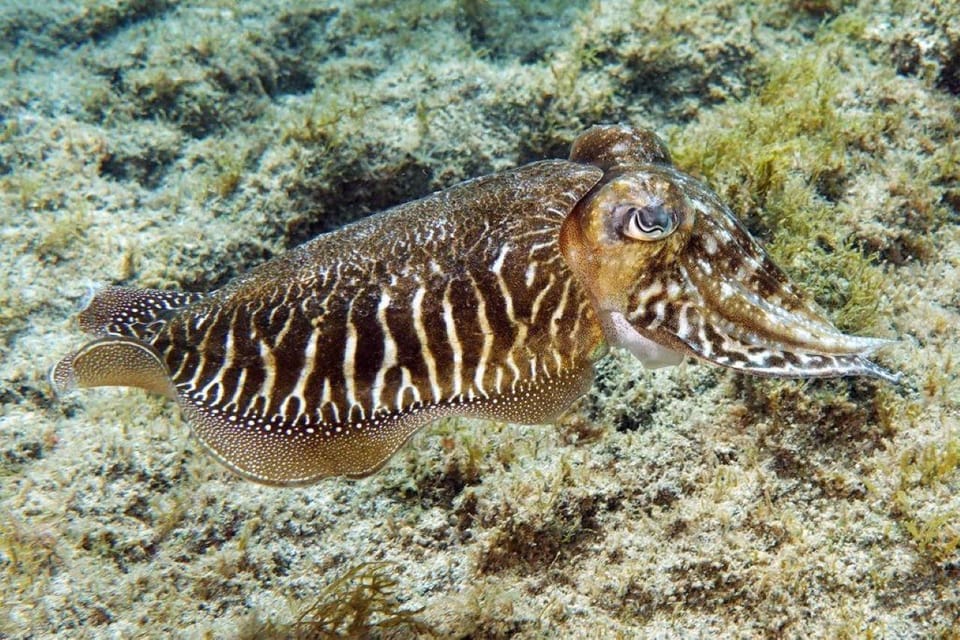
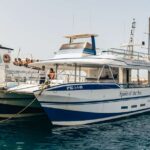
Your experience begins in Puerto Escala harbour, at Blue Water Diving, in Puerto Rico de Gran Canaria. That’s useful because you’re not dealing with complicated transfers or meeting points scattered across town. You show up, get sorted, and you’re in the water faster than you’d expect for something this safety-focused.
On the logistics side, you should note there’s no hotel pickup and drop-off included. If you’re staying in Puerto Rico (or nearby), you’ll likely want to plan your own short ride or walk to the harbour area. Arriving a little early helps too—when you’re nervous, extra minutes for calm breathing and getting organized go a long way.
Once you’re there, the team’s job is to make the gear feel normal. You’ll be fitted and guided so you understand what’s happening before you’re asked to do anything underwater. That matters for value, because the less time you spend confused, the more time you spend actually enjoying the sea.
You can also read our reviews of more scuba diving tours in Gran Canaria
What PADI Discover Scuba really means (and what it doesn’t)
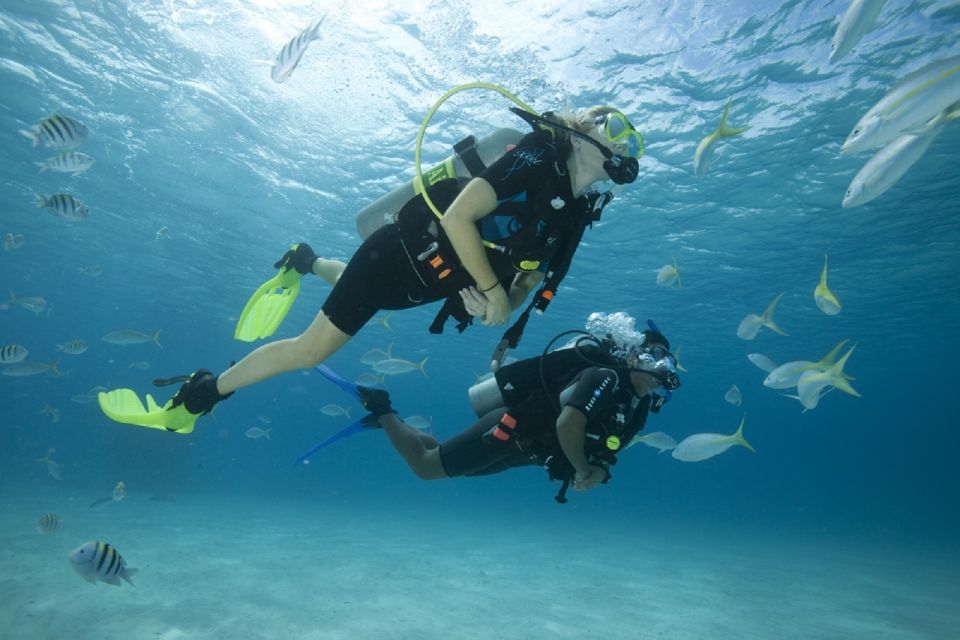
This is PADI Discover Scuba (DSD), designed as a first-time introduction. It’s supervised training led by a certified PADI instructor, and it’s explicitly not a full certification course. Think of it as the “try it and learn the essentials” step.
What makes it great for a vacation is that it’s built around practical learning:
- basic theory and safety rules
- how your equipment works
- how to communicate underwater using hand signals
- confidence-building practice in controlled water
- a supervised underwater session where you can see marine life for real
If you fall in love with scuba, it can also be used as a step toward the PADI Open Water Diver certification—your first full certification. Your instructor can explain the continuation path while you’re still there, which is handy when you’re deciding on your next trip.
One consideration: since it’s an introduction, you’re not going to come out “fully certified” in two hours. If your goal is a credential, plan to continue with the proper course afterward.
The classroom part: safety briefings, signals, and gear basics
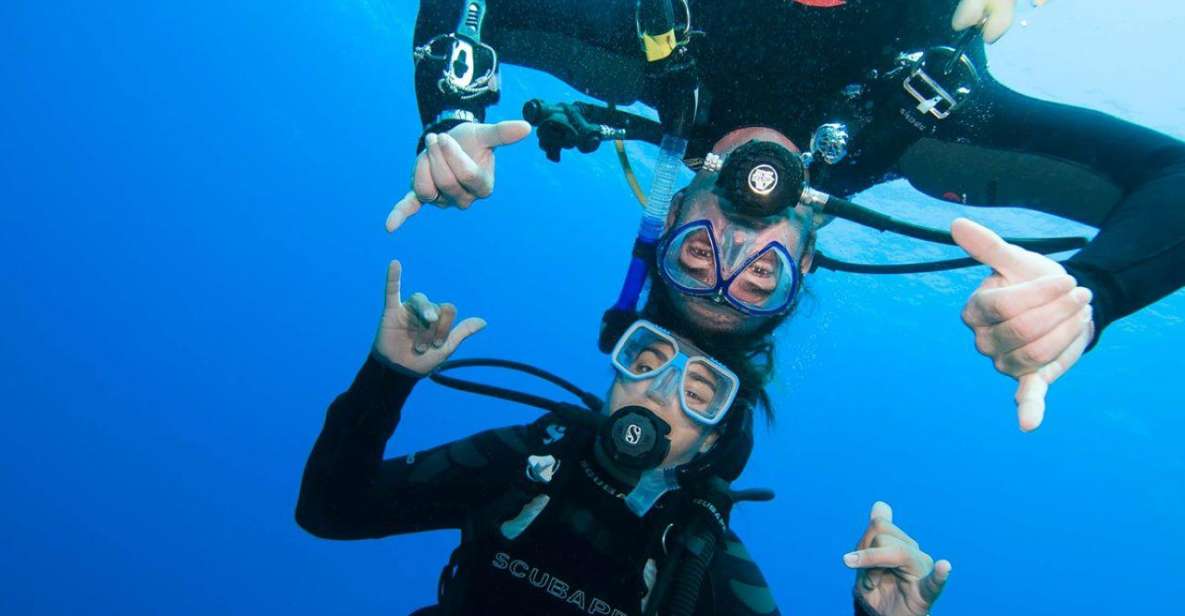
Before you ever enter the water, you’ll get a safety briefing and short theory session. This is where you learn the rules that keep scuba simple instead of scary.
You’ll cover:
- key scuba safety guidelines
- basic scuba theory at a beginner level
- hand signals so you can communicate underwater
- how your gear works and what to do if something feels off
The best part of this section is that it’s not just a lecture. It prepares you for what you’ll actually do next in shallow water. When you know why you’re equalizing, why your regulator matters, and how hand signals work, your brain stops panicking and starts cooperating.
Also, you’ll be working with a team that’s used to nervous first-timers. Instructors you might encounter—based on past participants’ experiences—include people like Jasmine and Kate, plus guidance from names such as Harry, Eddy, and Daniel. The pattern across those accounts is consistent: calm explanations, patience, and hands-on help when something feels uncomfortable.
Shallow-water practice: breathing, clearing, and equalizing
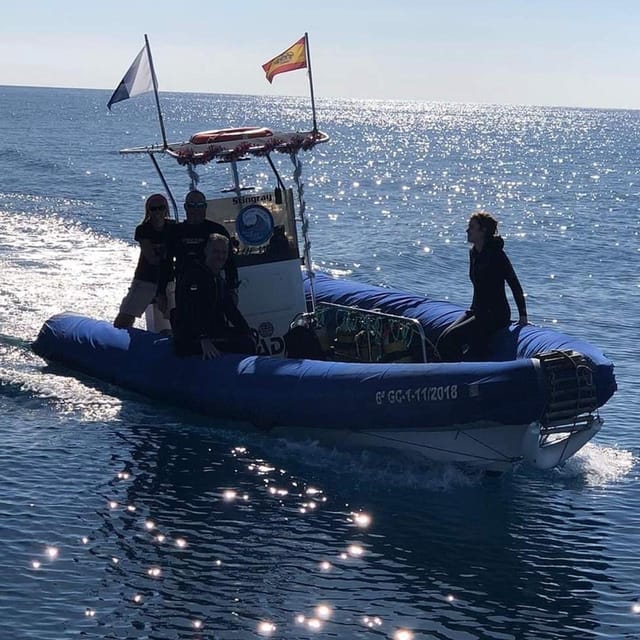
After the briefing, you’ll head to a confined water area where you practice the essentials. This is the part I’m most grateful for as a beginner, because it turns underwater fear into learned skills.
In this controlled setting, you typically practice:
- breathing underwater (yes, it feels strange at first, but you get the hang of it)
- clearing a regulator and your mask
- equalizing pressure (often the part that makes people tense)
If you’ve never equalized your ears on purpose, this can be the make-or-break moment. That’s why doing it under direct supervision matters. Participants have described getting step-by-step help during moments of panic or trouble equalizing, and being supported until they could move comfortably again.
This is also where you learn how to relax your body and move without fighting the water. The goal isn’t to be perfect. The goal is to leave this practice feeling like you can follow instructions without white-knuckling the moment.
Your supervised underwater session up to 12 meters
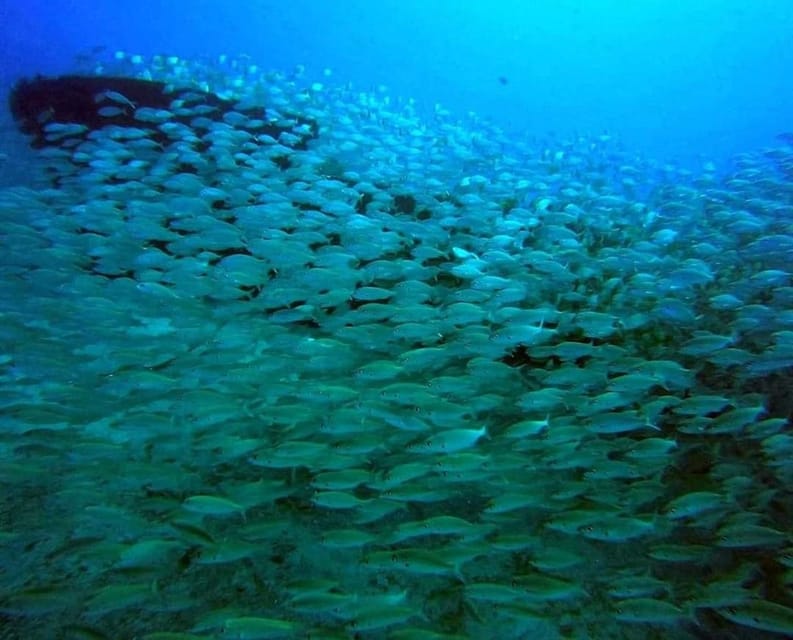
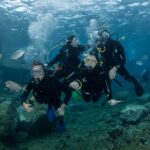
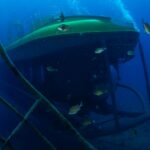
Once you’ve practiced the basics, you’ll go into open water for a supervised underwater session up to 12 meters/40 feet. For a first experience, that’s a sweet spot: you’re not stuck staring at the same shallow patch, and you’re not going so deep that the experience becomes complicated.
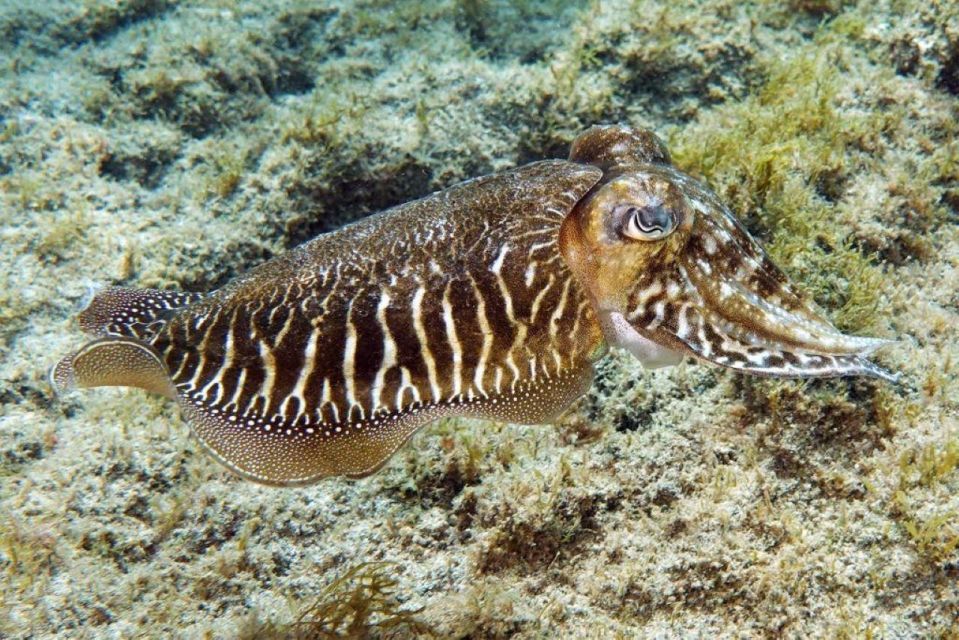
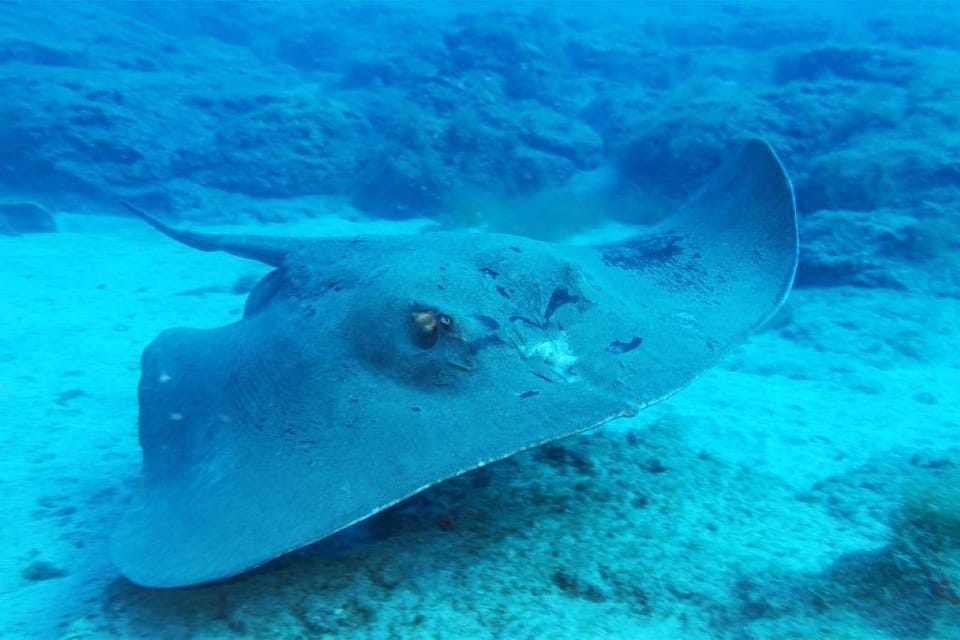
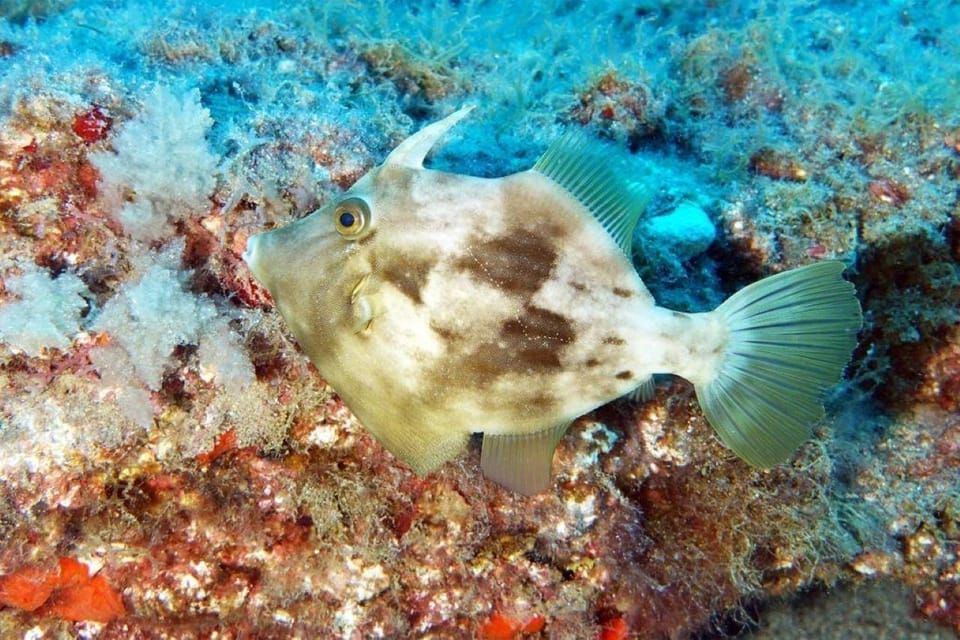
What you’ll likely see depends on conditions, but the focus is always the same: getting a real sense of the underwater world. Past participants have reported seeing lots of fish, and even standout wildlife like an octopus. You should expect coral reefs and marine life in the area—enough variety to make the effort feel totally worth it.
And yes, the feeling is special: breathing steadily, hovering, and watching sea life move at its own pace. People often come in curious and nervous and leave with that classic “I can’t believe I did that” look. It’s not magic. It’s training plus good supervision plus a bit of awe.
Also, since this is a beginner setup, you’re never meant to be out on your own. You’re guided closely, and the goal is safe enjoyment rather than speed or performance.


Small group size and instructor attention (what 8 people buys you)
This activity limits the group to up to 8 participants. That’s a big deal. In a small group, you don’t wait around while the instructor handles someone else’s gear. You also get quicker feedback on hand signals, breathing, and movements.
That attention shows up in how instructors teach. People have credited the team’s patience and clear instructions—especially for first-timers who feel awkward or panicky at first. In some accounts, participants mention being coached through problems like equalizing and then getting back to comfortable swimming and even underwater video recording.
If you want a first scuba experience where your questions don’t feel like interruptions, this setup is a strong match.
Price and value: why about $106 makes sense
At $106 per person for a 2-hour beginner session, the value is mostly in what you don’t have to worry about.
You get:
- full gear rental (mask, fins, wetsuit, regulator, tank, and more)
- instruction and supervision by a certified PADI instructor
- insurance coverage
For first-timers, gear is usually the hidden cost and hidden stress. Buying or renting the wrong items can waste a trip. Here, the gear is included, and it’s selected for use in this exact training format. That alone can turn the experience from complicated to smooth.
There’s also no certification pressure. You’re paying for a well-structured introduction that’s meant to get you underwater safely and comfortably. If you later want the Open Water Diver path, this intro can be a stepping stone, and you can decide with your eyes open.
The main “cost” is time and mental energy. You’ll be asked to learn a few basics and do short practice drills. But if you’re doing it on vacation, that’s the trade: a small commitment for a genuinely memorable first underwater experience.
What to bring (and what to avoid) so your session goes smoother

Bring the basics and you’ll be fine:
- swimwear
- a towel
- a charged smartphone
You may also need to provide measurements: height, weight, and shoe size. That’s about proper fitting for the gear and should save you from discomfort later.
A couple of practical tips that matter once you’re underwater:
- avoid alcohol before diving (it can mess with how you feel and breathe)
- don’t fly within 18 hours after your scuba session
And keep this in mind: you must be reasonably comfortable in water, and you’ll complete a short medical form. Medical restrictions may apply, so if you have any health questions, don’t guess—ask in advance.
Who this is best for (and who should skip it)
This experience fits people who want to try scuba without committing to a full certification course. It works well for:
- true first-timers
- people who are comfortable following instructions and practicing basics in water
- families with children age 10 and up (as long as they meet the comfort/health requirements)
Language support is practical too: instructors are available in English and Spanish.
Important caution: it’s not suitable for pregnant women. Also, if medical restrictions apply to you, you may not be able to participate. That’s not there to be strict for fun—it’s there for safety.
If you’re actively dealing with ear pressure issues or you’re worried you can’t equalize, it’s worth talking to the instructor and sharing concerns before you start. The training includes equalizing practice, but your comfort and health still come first.
Should you book this beginner scuba try-out in Gran Canaria?
I’d book it if you want a structured, beginner-friendly underwater experience with PADI-certified instruction, full gear included, and a small group that keeps you from feeling lost. It’s also a good choice if you want to see real marine life without turning your vacation into a long training program.
Skip booking if you’re looking for a full certification in one short session, or if you fall into the no-go category like pregnancy or medical restrictions. And if you hate water exercises, the shallow-water practice may feel like effort. For most people, though, it’s the part that makes the big underwater moment feel safe and manageable.
If you want your first underwater experience to feel more like guided learning and less like a stressful test, this one is a smart bet—especially in Gran Canaria, where the water time and marine sightings come with a beginner-friendly plan.
FAQ
Is this a certification course?
No. This is PADI Discover Scuba (DSD), an introduction experience. If you enjoy it, it can count toward the PADI Open Water Diver certification, and your instructor can explain how to continue.
How long is the experience?
It lasts about 2 hours.
What happens during the session?
You’ll start with a safety briefing and short theory, then do confined water practice (breathing underwater, clearing your regulator and mask, equalizing). After that, you’ll go for a supervised open water session up to 12 meters/40 feet.
Where is the meeting location?
The meeting point is Puerto Escala harbour in Puerto Rico, Gran Canaria.
Is hotel pickup included?
No, hotel pickup and drop-off are not included.
What should I bring?
Bring swimwear, a towel, and a charged smartphone.
Who can join, and who can’t?
You must be at least 10 years old and reasonably comfortable in water. You need to complete a short medical form, and medical restrictions may apply. Pregnant women are not suitable. Height, weight, and shoe size are required.