REVIEW · GRAN CANARIA
Gran Canaria: Discover Scuba Diving – Free Transfers
Book on GetYourGuide →Operated by Leagues Ahead Diving · Bookable on GetYourGuide
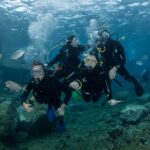
First breaths underwater feel like sci-fi. This beginner-friendly scuba trial in Gran Canaria lets you breathe with a tank, get that weightless feeling, and explore a reef spot up to 12 meters down. You’ll also get a smooth, South-of-island pick-up and a tight crew—set up for first-timers, not people who already know the whole gear drill.
I love that the instruction is hands-on and calm, with training before you ever go under, and that the team uses small groups (limited to 4) so you actually get attention. The one thing to plan around: the plan is weather dependent, and in busier periods the group may be split, so you might wait on the beach while the other group finishes their underwater time.
In This Review
- Key things I’d bank on before you go
- A first-time underwater session that doesn’t feel like a test
- Hotel transfers in Gran Canaria South: why free matters more than you think
- Gear check, coffee, and the safety briefing that saves your nerves
- Choosing Amadores or Tufia: what the coast-to-reef switch means
- The max 12 meters and the ~50-minute underwater window
- Marine life you might see: angels, rays, octopus, and friends
- The value of $105: what’s included and what you might pay for later
- Weather, time, and the one non-negotiable flying rule
- Who this is best for (and who should skip it)
- My take: should you book this Gran Canaria first-time scuba experience?
- FAQ
- How deep will I go on this experience?
- Do I need prior scuba experience?
- How long is the underwater part?
- Is the experience weather dependent?
- Where do you usually go for the underwater session?
- What’s included in the price?
- What is not included?
- What do I need to bring?
- Can I fly the same day after the session?
- What group size should I expect?
Key things I’d bank on before you go
- Small group size (up to 4): more coaching, less crowding, easier to ask questions.
- Training before going under (~30 minutes): you learn basic skills and feel ready for your first breaths.
- Max depth of 12 meters: beginner-friendly depth with structure.
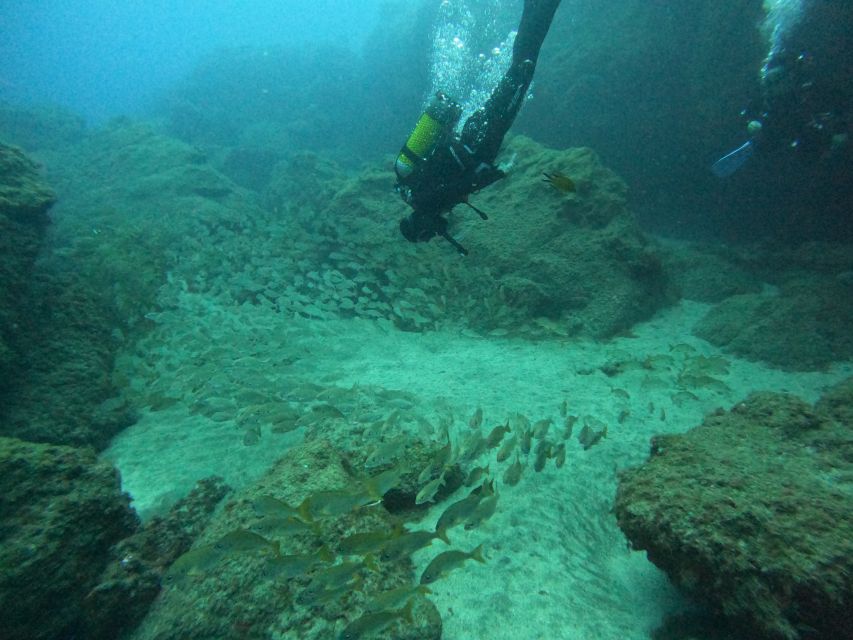
- ~50 minutes of underwater time: enough time to see marine life without feeling rushed.
- Free hotel pickup/drop-off in South Gran Canaria: you skip the stress of getting to the coast.
- Reef spot choice (Amadores or Tufia, depending on weather): you don’t always land at the same beach, but you go where conditions are best.
A first-time underwater session that doesn’t feel like a test
If you’re picturing scuba as something that requires nerves of steel and perfect lung control, good. You’re in the right place. This “discover” style setup is designed for people with no prior underwater experience, with a clear ceiling of 12 meters and a teaching pace that’s meant to build confidence.
You’ll start with a short training block on land, then practice the basics with an instructor watching you closely. That matters because the hardest part for most first-timers isn’t the ocean—it’s figuring out buoyancy, breathing rhythm, and not panicking when your ears do their normal movement thing. The format here is built to help you get control fast, so the underwater part can actually feel fun.
You can also read our reviews of more scuba diving tours in Gran Canaria
Hotel transfers in Gran Canaria South: why free matters more than you think
This is one of those experiences where the logistics can make or break your day. You get complimentary pickup and drop-off from multiple hotel areas in the south, including Arguineguín, Puerto Rico de Gran Canaria, Playa del Inglés, San Agustín, Maspalomas, and Meloneras.
Practically, that means you’re not hunting for a meeting point or timing buses while your hair is already humid. The crew uses a van (short rides between the pickup point, the gear check/scuba base, and the coast). You’ll typically spend about 10 minutes in the first van hop, then another transport segment to the selected reef spot.
One thing to know: the exact pickup time can shift based on your hotel and the day’s schedule. You’ll get a confirmed time message, so don’t plan your whole morning around a random guess.
Gear check, coffee, and the safety briefing that saves your nerves
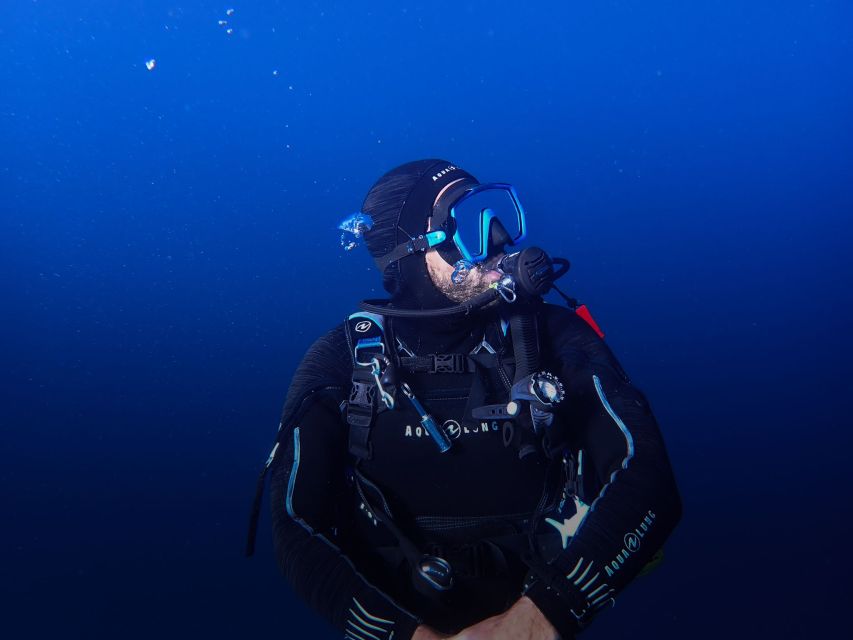
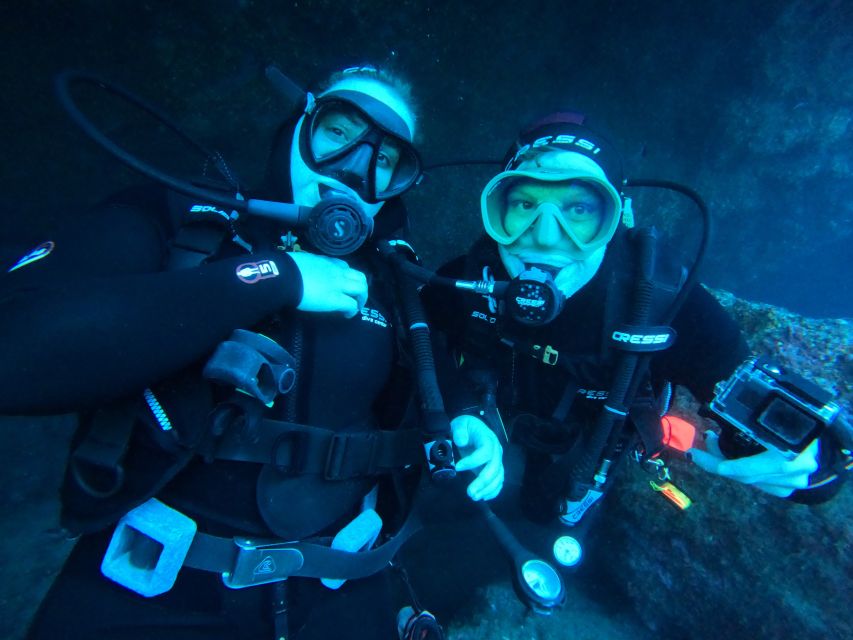
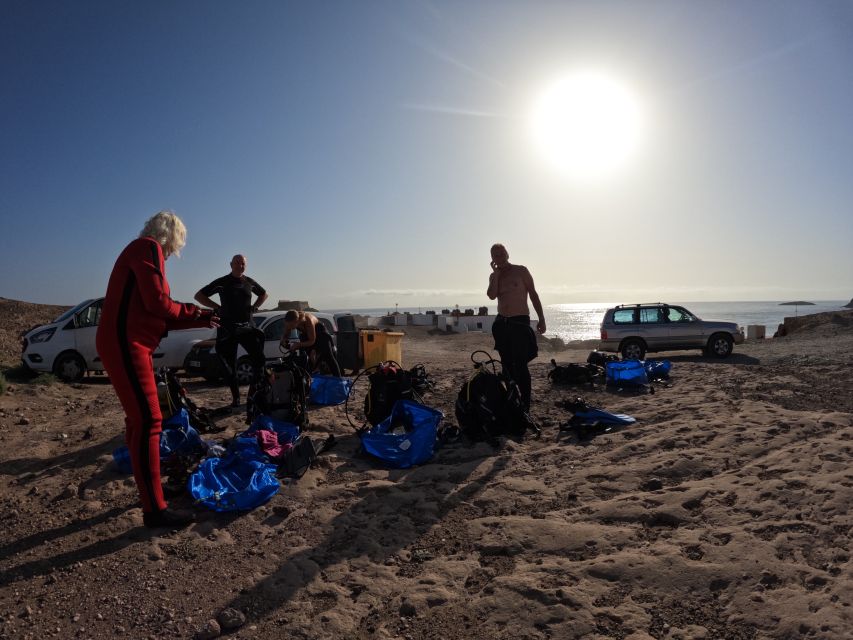
Before you touch the water, you’ll try on professional Cressi equipment and meet the team. Expect it to feel straightforward: suit/gear sizing, a quick run-through, and time to settle before the “okay, now we go” moment.
Then comes the safety briefing. This is where the instructors earn their keep. In particular, you’ll hear basic scuba skills explained in a way that aims to prevent the classic beginner problem: doing everything on instinct when you actually need a simple checklist. From participant feedback, names like James and Aaron show up often for being friendly and clear, while others like Emil and Ben get praised for being patient and thorough with first-timers who were initially stressed.
And yes, you’ll likely get a coffee. It’s a small touch, but it’s smart. If your body is relaxed before the first training steps, you’ll handle the underwater part with a lot more calm.
Choosing Amadores or Tufia: what the coast-to-reef switch means
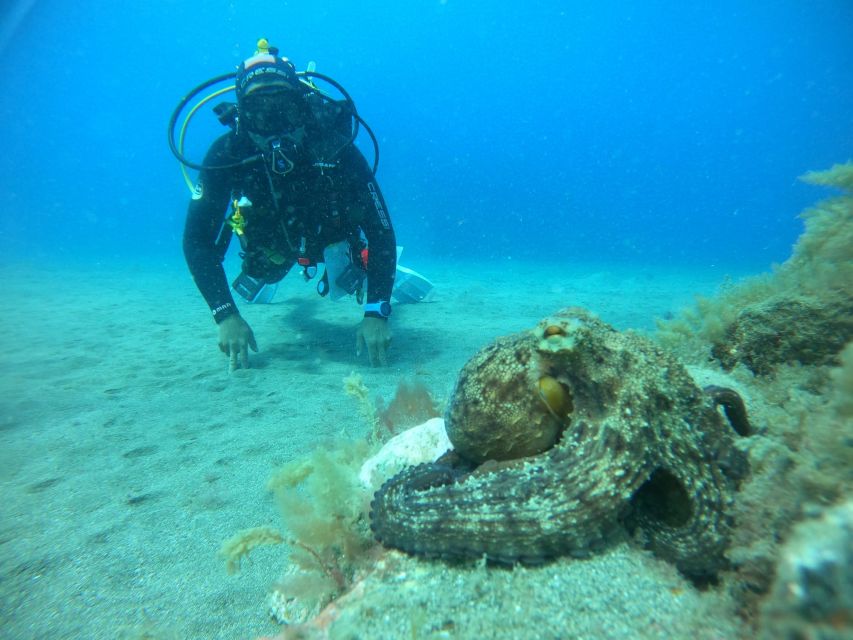
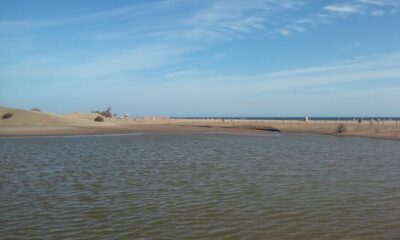
The experience runs from the coast, and the team chooses the best reef spot based on conditions. Usually it’s Amadores or Tufia, two areas that work well for beginners when visibility and sea conditions cooperate.
Why does that matter to you? Because first-timers don’t need a dramatic challenge. You want stable conditions, manageable currents, and a spot where your instructor can keep an eye on your breathing and buoyancy. With the reef spot chosen day-by-day, you’re more likely to get conditions that match a first underwater experience.
Timing-wise, you’ll head to the water area, then do the training before heading into the actual underwater session. If you’re in high season, there’s an extra wrinkle: the group may be split into two smaller sets for safety/comfort, and one set may wait on the beach for around one hour while the other finishes their underwater time.
That wait can be pleasant if the beach vibe is good. If it’s quieter and there aren’t many nearby options to buy food, you’ll want to be prepared. I’d bring a small snack and water, just in case your waiting spot isn’t close to cafes.
The max 12 meters and the ~50-minute underwater window
Here’s the math you actually care about. Your underwater time is about 50 minutes (air consumption is the limiter, not the clock). That’s long enough to get past the initial concentration phase and start noticing what’s around you.
But remember: you’re also learning. The first minutes are mostly about breathing calmly and staying stable. Your instructor will guide you through simple underwater skills before you settle into exploring. The training is about 30 minutes, and it’s meant to leave you comfortable enough to take your first breaths underwater and move with less guessing.
One more important detail: this is an experience where you’re not expected to “push deeper for bragging rights.” The target is a controlled, beginner-friendly descent and a relaxed experience where you can focus on enjoying yourself.
From feedback I’ve seen, instructors often go at a pace that helps people who initially feel anxious. One person described nearly stopping because of stress, then building confidence and reaching around 9 meters thanks to the instructor’s approach. That’s the key takeaway: you’ll get the support you need to stay comfortable.




Marine life you might see: angels, rays, octopus, and friends
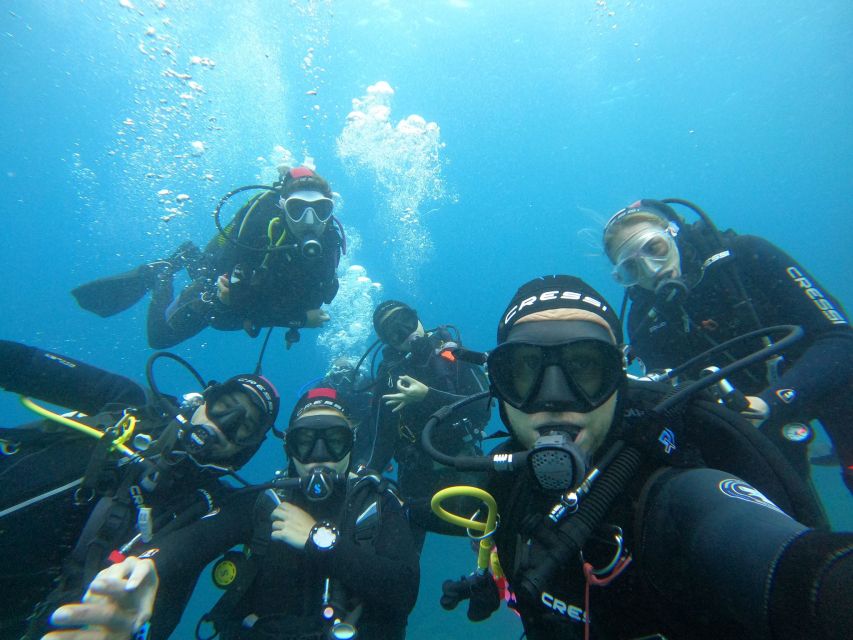
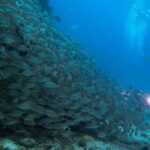
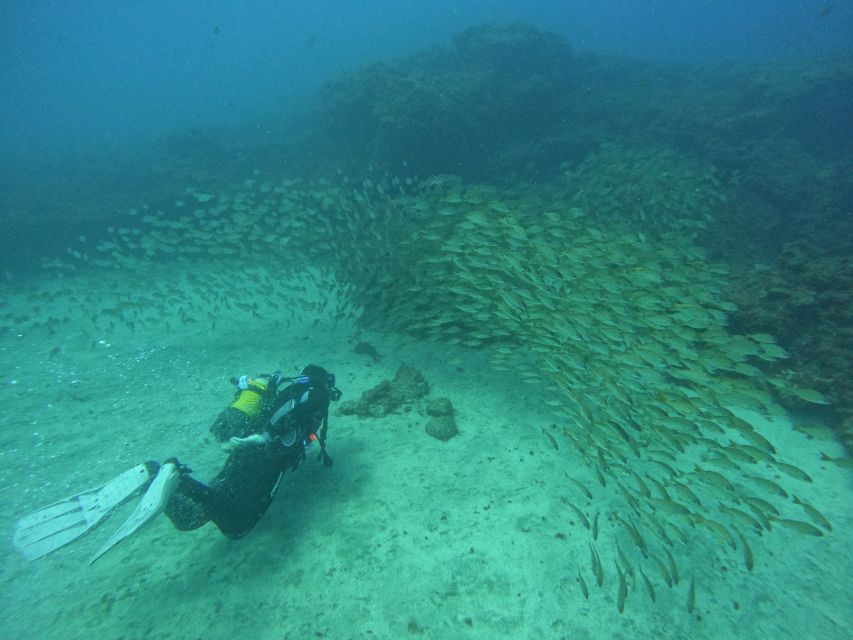
Let’s talk about the fun part: what’s down there. The plan highlights angel sharks and rays, and there’s also mention of octopus and other marine life.
A quick note on expectations: marine sightings are never guaranteed like a theme-park schedule. Some days will feel like a living aquarium. Other days might be calmer, with fewer animals on the route you swim. Even so, you’ll still get the core payoff—breathing underwater, moving differently, and seeing the reef from inside the water column.
That angel shark mention is a standout. Angel sharks are native to this part of the Atlantic, and they’re a real reason people choose Gran Canaria for an introductory scuba session. Rays are also common enough to be part of the “you have a good shot” list. If you love wildlife, slow down once you’re underwater. Don’t sprint from moment to moment. The animals are there when you’re not rushing past them.
The value of $105: what’s included and what you might pay for later
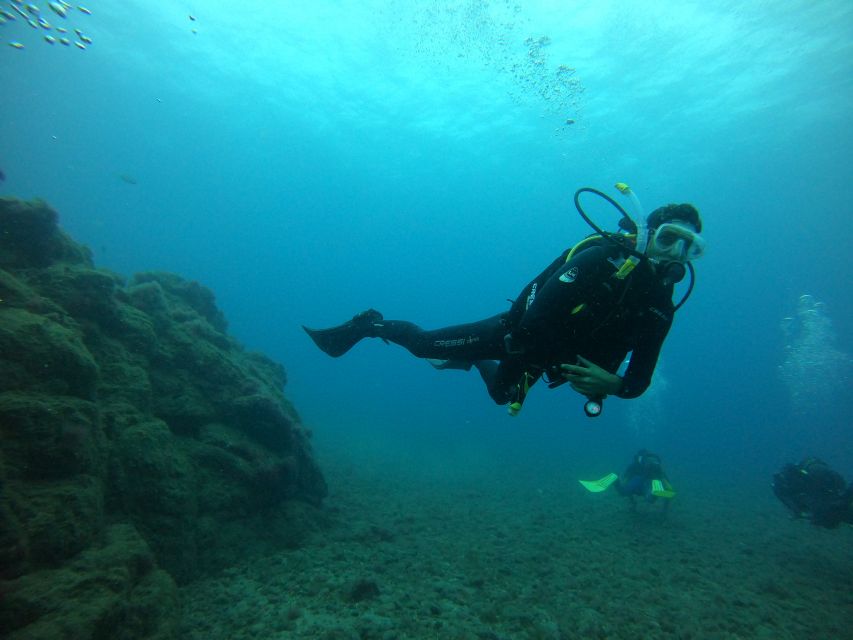
At around $105 per person, the price is easiest to judge when you compare it to what you actually get.
This includes:
- Qualified PADI professional instructor
- Small groups guaranteed (limited to 4)
- Professional Cressi equipment
- Complimentary hotel pickup and drop-off
- Training and the guided underwater session
That combination is the value. Buying gear and organizing transport on your own is often where beginner underwater plans get expensive and messy. Here, you pay for the whole package and spend your mental energy on learning and enjoying.
What isn’t included:
- Photo and video packs sold at the scuba base
If you’re the type who loves souvenirs, plan to either budget for those media add-ons or decide in advance to skip them. Either way, it won’t stop you from having a great time.
Weather, time, and the one non-negotiable flying rule
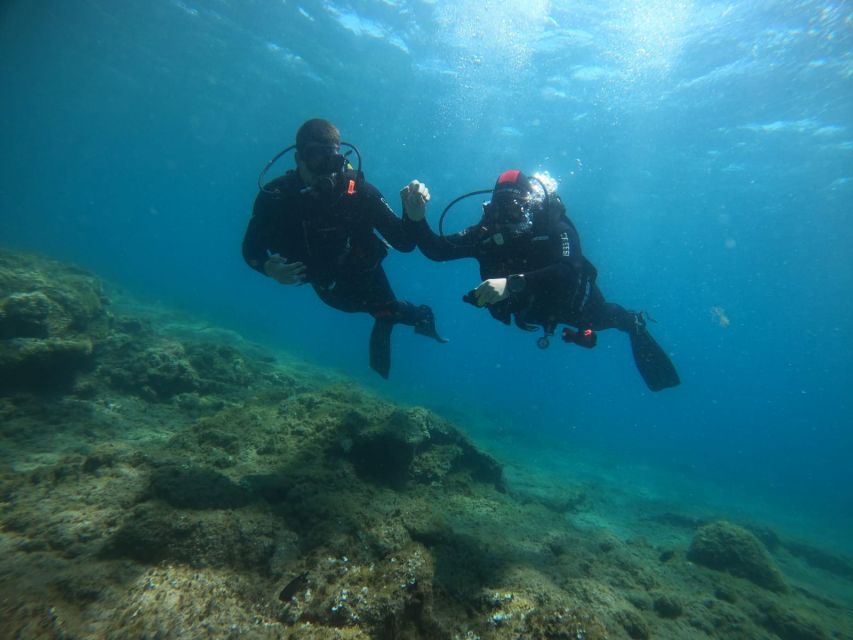
This activity depends on conditions. Storm cancellations are rare, but you should treat weather as a real variable. Your reef spot selection (Amadores vs Tufia) is part of how the team adapts.
Also, you’ll want to protect your travel schedule around one rule: you’re unable to fly the same day. You need a minimum surface interval of 12 hours before any flight after your underwater session. Build that into your itinerary so your whole trip doesn’t hinge on one departure time.
Who this is best for (and who should skip it)
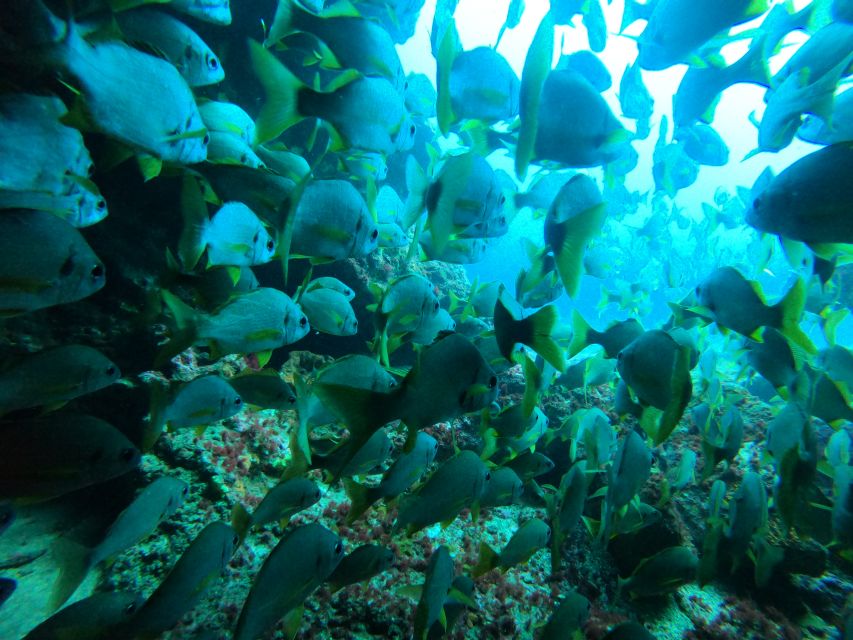
This is a strong fit if:
- You want a first underwater experience with real instruction
- You prefer small group attention
- You’re excited by wildlife odds like rays and angel sharks
- You’d rather not manage gear logistics yourself
It’s not suitable for:
- Children under 12
- People with back problems, heart problems, epilepsy, kidney problems, high blood pressure
- People who have epilepsy or a cold
- People with low level of fitness or pre-existing medical conditions
- People over 287 lbs (130 kg)
- People over 70 years
If you fall into any of those categories, your safest move is to ask your doctor first and then contact the provider directly for suitability guidance.
My take: should you book this Gran Canaria first-time scuba experience?
I’d book it if you want the best chance at a confident first underwater session without stress. The hotel transfers, small group limit, and the fact that training happens before going under make it feel built for beginners. And the instructor style matters here—names like Aaron, Ben, Emil, James, and Erwan show up in participant experiences for being friendly, patient, and focused on making people comfortable.
Skip it if you’re trying to squeeze a flight on the same day, you know you’re likely to freeze with anxiety without extra reassurance, or you’re dealing with any medical conditions listed as not suitable.
If your schedule has a buffer for the 12-hour flying rule and you can handle weather-day flexibility, this is a solid value way to try scuba in Gran Canaria—especially for your first time.
FAQ
How deep will I go on this experience?
You can descend to a maximum depth of 12 meters.
Do I need prior scuba experience?
No. This experience is designed for beginners and includes training before you go underwater.
How long is the underwater part?
The underwater session lasts about 50 minutes, depending on air consumption.
Is the experience weather dependent?
Yes. It’s weather dependent, and cancellations happen rarely due to storms.
Where do you usually go for the underwater session?
The team chooses the best site for the day, usually Amadores or Tufia.
What’s included in the price?
Included are qualified PADI professional instruction, small groups (limited to 4), professional Cressi equipment, and complimentary hotel pickup and drop-off.
What is not included?
Photos and videos may be purchased at the dive/scuba base.
What do I need to bring?
Bring swimwear and a towel.
Can I fly the same day after the session?
No. You need a minimum surface interval of 12 hours before flying.
What group size should I expect?
Small group only, limited to 4 participants.