REVIEW · GRAN CANARIA
Gran Canaria: Discover Scuba Diving Beginner Program
Book on GetYourGuide →Operated by Delphinus Diving School Gran Canaria · Bookable on GetYourGuide
First-timer underwater time can be less scary than you think. This Gran Canaria intro to scuba runs on a half-day schedule from the calmer waters around Mogán, with coaching focused on basics, comfort, and real confidence. I like that it keeps things small (up to 2 participants) and mixes a quick theory lesson with hands-on practice, so you know what to do before you go out.
The best part for me is the open-water moment in the Atlantic, guided step-by-step and aimed at letting you enjoy the marine life without feeling rushed. One thing to consider: water clarity can vary, so your “what will I see?” expectations should be flexible.
Key takeaways (quick hits)
- Small group care: limited to 2 participants, which usually means more attention per person
- Mogán first: calm local waters make skill practice feel manageable
- Theory + shallow skills: you’re not just handed gear and sent off
- Atlantic open-water time: your first real underwater session with professional guidance
- Value built in: gear, insurance, and pickup/drop-off are included in the main price
In This Review
- Mogán start: why this half-day feels beginner-friendly
- The 4-hour flow: theory that actually supports the water time
- Equipment setup and shallow-water skills (where safety becomes real)
- Atlantic open-water time: seeing marine life without overreaching
- Price and value: what $117 really covers
- Planning for pickup, comfort, and medical basics
- Should you book this Gran Canaria beginner program?
- FAQ
- FAQ
- How long is the Gran Canaria beginner program?
- Where is the program located and what time do I meet?
- Is hotel pickup included?
- How big is the group?
- What languages are available for instruction?
- What’s included in the price?
- What should I bring, and what extra costs might come up?
- Who can’t take part, and are there health requirements?
- Can I cancel, and is pay-later available?
Mogán start: why this half-day feels beginner-friendly
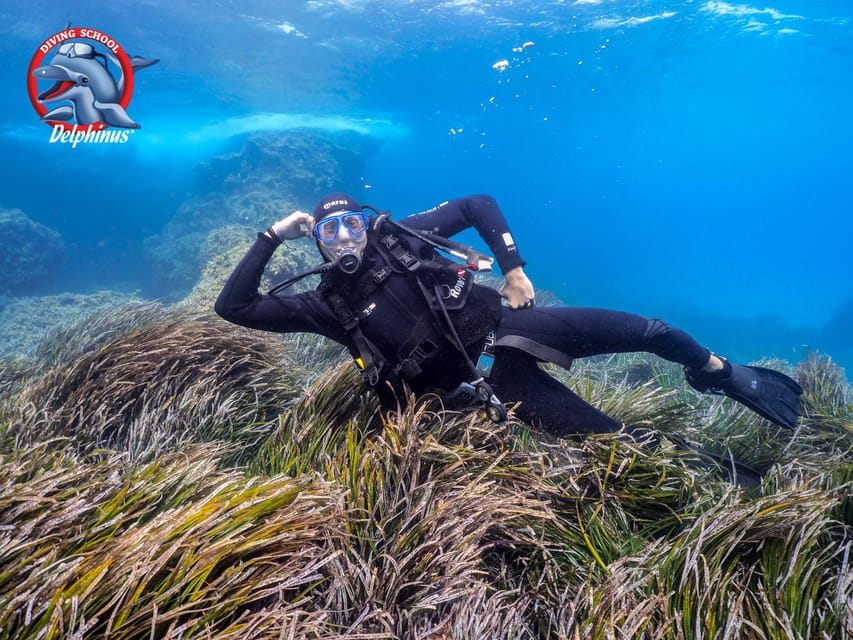
This program is built around the idea that your first underwater experience should feel structured, not chaotic. You’ll train in the calm waters near Mogán on Gran Canaria’s coast, then move into an open-water session off the island. The whole run is about 4 hours total, starting with a meeting at 09:30 AM at the scuba center.
That start time matters. You’ll be dealing with the day’s logistics first—transfers, fitting gear, and briefings—so it’s worth showing up ready to move. If you’re asking for hotel pickup, confirm the exact pickup spot with the dive provider ahead of time, since pickup timing depends on your accommodation location and the minivan/bus route.
A practical bonus: Gran Canaria’s warm climate is part of the appeal. Warmer air and typical beach conditions can make wetsuits and getting in/out of the water feel a lot less miserable, especially if you’re only doing one half-day. And since this is meant for first-timers (minimum age 10), the pacing is designed to keep you comfortable rather than push you fast.
The 4-hour flow: theory that actually supports the water time
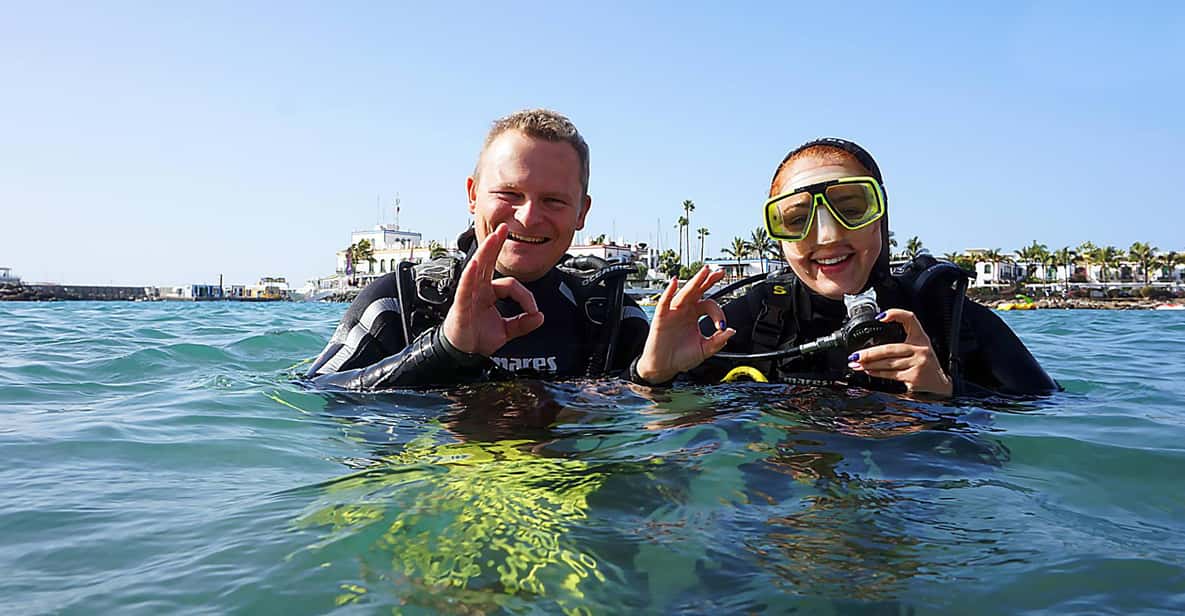
You’re not just learning “what you do”—you’re learning why you do it. The program includes a theory lesson, then you immediately apply those ideas in shallow water. That sequence is exactly what you want as a beginner, because it turns safety rules into something you can remember underwater.
In the shallow stage, you practice core skills in a controlled environment, guided by a professional instructor. This is where you’ll get more comfortable with the equipment and basic movements before the open-water session. If you’re worried you’ll panic when you get to deeper water, this is the portion that helps reduce that risk.
It’s also a good reality check. Some people go in thinking the fun part is the ocean life. The training part is where you learn how to be relaxed enough to notice anything at all—breathing rhythm, buoyancy awareness, and how to follow instructor cues. When the lesson goes well, the theory doesn’t feel academic. It feels like a checklist for staying calm.
One caution from real-world experience: if the water is less clear or choppy than expected, you might spend more time near the surface than you imagined. That’s not a failure on your part—it’s a reminder that conditions can shape how much you can explore comfortably during a beginner session.
You can also read our reviews of more scuba diving tours in Gran Canaria
Equipment setup and shallow-water skills (where safety becomes real)
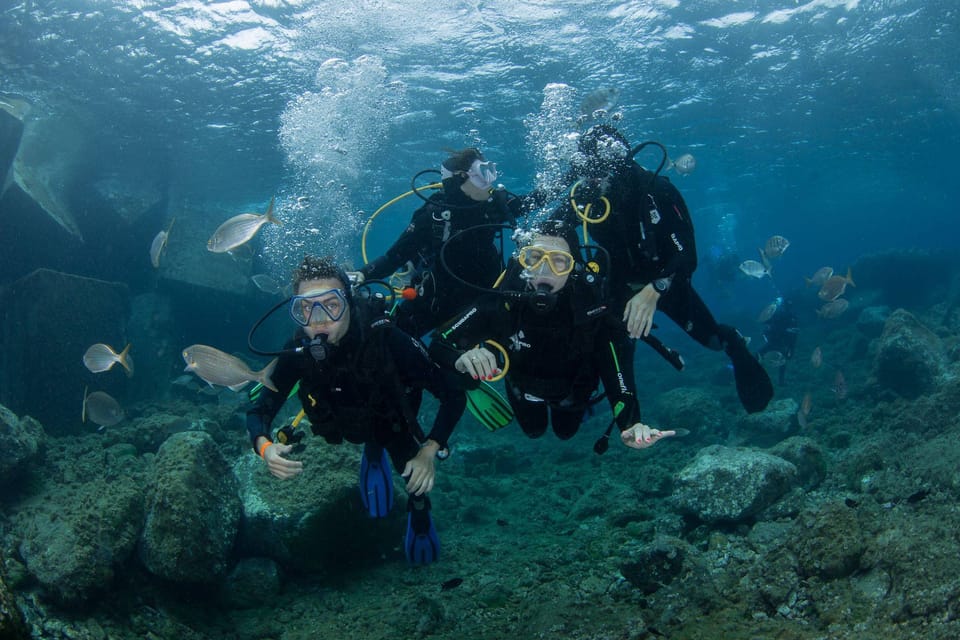
The program includes all scuba equipment and underwater safety support, plus diving insurance. You’ll also benefit from instruction that focuses on technique and safe use of the gear in a low-stress setting first.
There are two practical cost items to keep in mind. First, you may need an individual mouthpiece, listed at €4. Second, underwater photography is offered as an add-on at €34. These aren’t deal-breakers, but they can change the “final bill” if you assumed everything was included with no extras.
What you should do before you go is simple: bring swimwear and a towel. Plan on getting wet, changing quickly, and moving on. If you’re doing this as part of a beach day, still treat it like an activity with prep time, not a casual dip.
Now the value angle: equipment inclusion matters a lot on a beginner program. Buying your own gear before you even know if you like the activity usually isn’t worth it. Here, the equipment is provided, and you get the coaching needed to use it safely—especially important for first-timers who haven’t built muscle memory yet.
There’s also a big comfort factor in how small the group is. Limited to 2 participants, you’re less likely to get stuck waiting while someone else finishes. That translates to more time practicing the basics and fewer awkward gaps where you’re unsure what to do next.
Atlantic open-water time: seeing marine life without overreaching
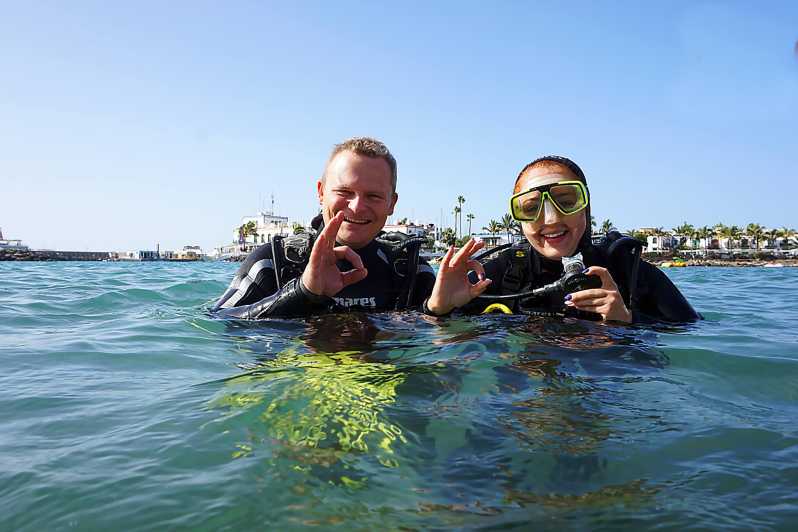
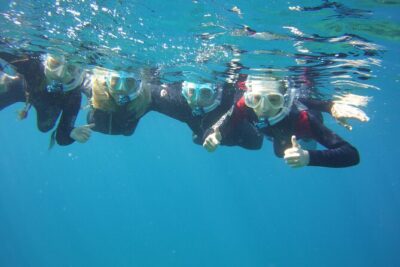
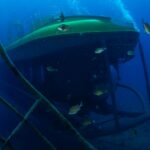
After shallow-water practice, you’ll have your first open-water underwater session in the Atlantic. This is where the experience shifts from learning to enjoying. The goal isn’t to race through skills—it’s to make you comfortable enough to look around and appreciate sea life with an instructor watching over you.
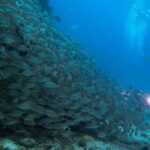
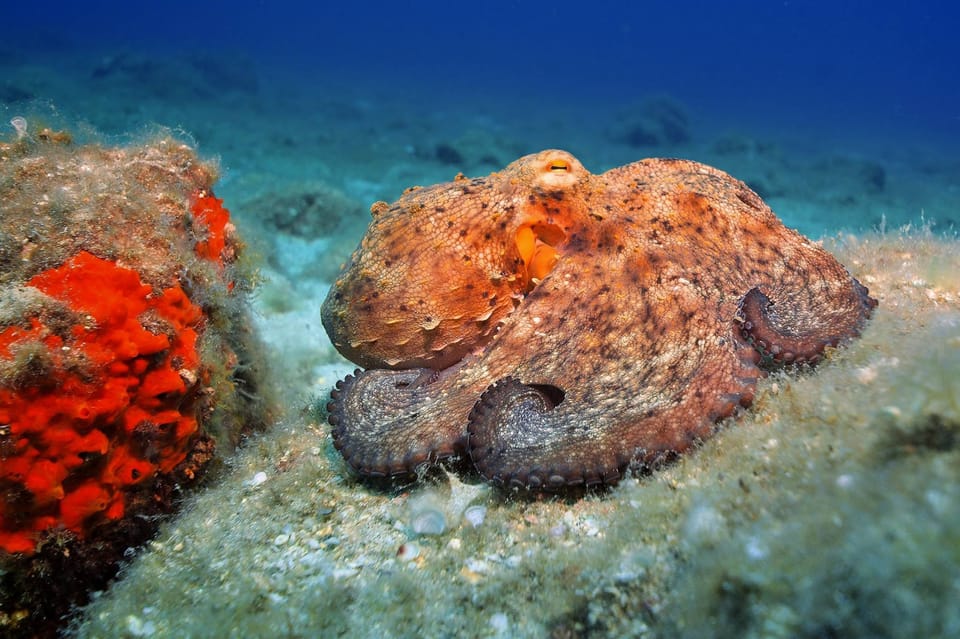
What you can expect to see is marine life in the Atlantic Ocean, but visibility can vary by day. In practice, that means your “wish list” should be flexible. If conditions are calm and clear, you’ll likely have a better view. If water is murky, you may feel like you didn’t get the full wow factor—still, you’ll come away knowing the basics work.
Pacing also matters here. Some training programs keep you closer to shore so you can focus on breathing, buoyancy, and responding to instructor prompts. That can be a good thing for confidence-building. It can also feel limiting if you were hoping to wander farther. With a beginner program, staying close is usually intentional, not accidental.
Overall, this open-water part is the reason to book. Even with some conditions out of your control, a guided first session off Gran Canaria is a memorable step toward becoming a repeat visitor to the water. If you want to “graduate” later, the included participant guide can help you carry your training notes forward.
Price and value: what $117 really covers
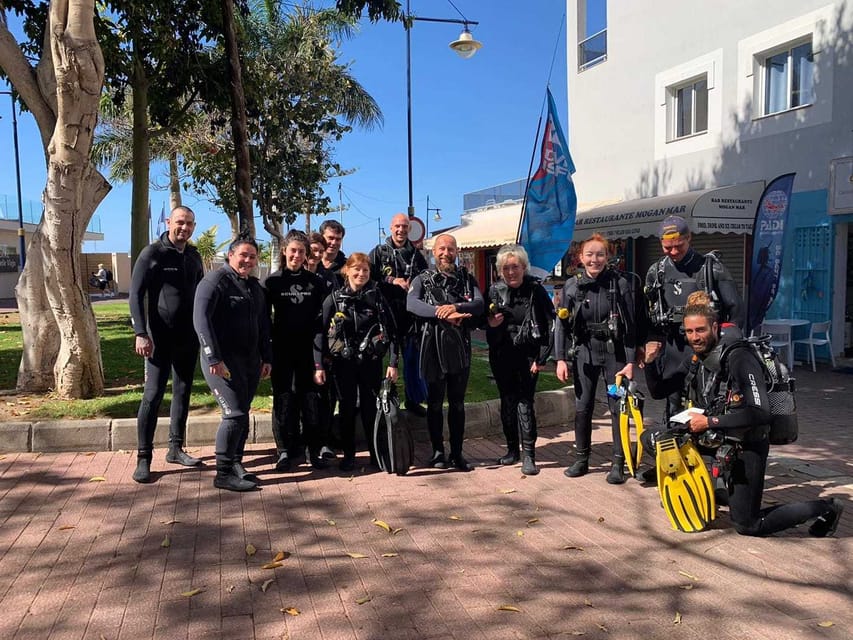
At $117 per person for a 4-hour half-day, the value comes from what’s bundled, not just the sticker price. You get all equipment, diving insurance, and guiding and instruction by a qualified team member. You’ll also get hotel pickup and drop-off, which can be a big hidden cost if you’re otherwise arranging transport.
That pickup detail is worth paying attention to. Transfers are provided by minivan or bus, and the time depends on your accommodation or meeting point. If you’re staying in a smaller area or a spot not easy to route, you may spend some extra time waiting for pickup—or for the group to consolidate. This is the kind of thing you solve by being specific about pickup location when you contact the center.
What isn’t included is relatively small, but it can add up if you’re not expecting it: an individual mouthpiece at €4, and underwater photography at €34. If you care about photos, consider whether you’ll want them before you go. If you don’t, skip that add-on and you’ll keep the budget cleaner.
Finally, there’s a “future you” bonus: a listed discount on continuing education courses. If you think there’s a chance you’ll want more training after this first session, that discount can bring the next step down in cost. For first-timers, that’s a practical way to turn one afternoon into a longer plan.
Planning for pickup, comfort, and medical basics
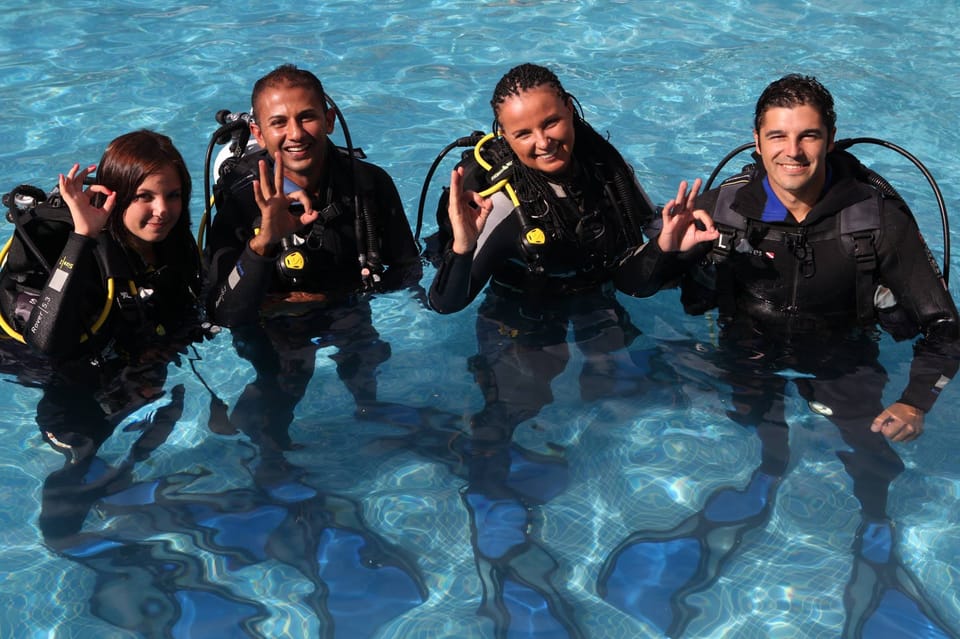
This is an activity with a few non-negotiable boundaries, and knowing them ahead of time keeps the day smooth. You must be at least 10 years old. You should be fit and healthy, and if you have medical issues, check with your doctor and bring medical certification if needed. Pregnant women aren’t suitable for this program.
Before you even leave your hotel, do the simple prep: bring swimwear and a towel. Also plan to be flexible about transfers, since the minivan/bus schedule depends on where you’re picked up. The meeting time at the scuba center is 09:30 AM, so your pickup timing will revolve around that.
Language support is another practical plus. Instruction is available in English, German, Spanish, French, Polish, and Italian. If your comfort depends on language, it’s smart to confirm your preferred language when booking.
And here’s the one small-but-important behavioral tip: arrive on time and be ready for the rhythm of training. Beginner underwater work is all about staying calm and following instructions precisely. When you’re prepared, the whole experience feels far more natural.


Should you book this Gran Canaria beginner program?
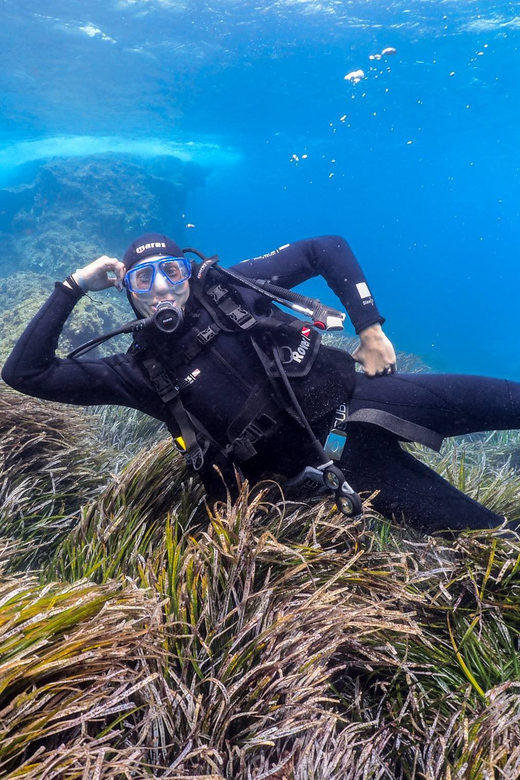
If you want a guided, low-pressure path into scuba training, this is a solid choice. The half-day format, the calm Mogán setting, and the small group size make it easier to learn the basics without feeling lost. I also like that the program doesn’t treat your first session like a sightseeing trip—you get structured theory and shallow-water practice first, then open-water time.
I’d think twice if you’re extremely sensitive to visibility or you’re counting on being able to roam far from the start point. Conditions can change, and beginner sessions are intentionally controlled. If you can accept that and focus on skills plus the first Atlantic experience, you’ll probably come away happy.
FAQ
FAQ
How long is the Gran Canaria beginner program?
It lasts 4 hours in total.
Where is the program located and what time do I meet?
It’s off the coast of Gran Canaria, training in calm waters of Mogán. The meeting time at the scuba center is 09:30 AM.
Is hotel pickup included?
Yes. Hotel pickup and drop-off are included, and pickup is available free upon request. You should contact the dive center to confirm your specific pickup place.
How big is the group?
It’s a small group limited to 2 participants.
What languages are available for instruction?
Instruction is available in English, German, Spanish, French, Polish, and Italian.
What’s included in the price?
Included are all scuba equipment, diving insurance, hotel pickup and drop-off, and guiding and instruction by a qualified team member, plus a discount on continuing education courses.
What should I bring, and what extra costs might come up?
Bring swimwear and a towel. An individual mouthpiece is listed at €4, and underwater photography is €34.
Who can’t take part, and are there health requirements?
You must be at least 10 years old and be fit and healthy. Pregnant women aren’t suitable. If you have medical issues, check with your doctor and bring medical certification if needed.
Can I cancel, and is pay-later available?
Yes. There’s free cancellation up to 24 hours in advance for a full refund. You can also reserve now & pay later.