REVIEW · GRAN CANARIA
Gran Canaria historical house with mango plantation
Book on GetYourGuide →Operated by Juan Maria Marrero Ortega · Bookable on GetYourGuide
Mango and vermouth in one visit. In Mogán, you step into a restored 200-year farmhouse and then taste Lolito vermouth, while learning how the island’s gardens shaped everyday food. One key consideration: the route to the mango plantation involves walking on uneven ground, so it’s not for everyone with mobility limits.
I love that this tour mixes calm nature time with a proper food-and-drink payoff. The cactus garden trails give you great photo angles, plus context for how Canarians use plants like tunera. If you’re food-motivated, the stop finishes with a dessert you won’t forget: cold mango and yogurt soup with chocolate cubes.
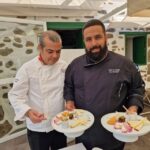
You’ll also appreciate the small-group feel. With a group capped at 10 and a private guide, it stays personal—especially when the guide explains what you’re seeing in the fields and in the house complex.
In This Review
- Key highlights worth aiming for
- First impressions at Valle de Mogán: quick setup, easy start
- Inside the 200-year Canarian farmhouse complex
- Cactus garden walking paths and the tunera connection
- Mangoes, avocados, soursops, and how the garden feeds the kitchen
- The vermouth-making side in Mogán: white and red Lolito
- Gazpachuelo de mango: the dessert that ties it all together
- Optional lunch or dinner at Valle de Mogán
- Price and value: what $63 gets you, and who it fits
- Should you book this Gran Canaria mango and vermouth house tour?
- FAQ
- How long is the tour?
- How big is the group?
- What languages are available?
- What’s included in the price?
- Is hotel pickup and drop-off included?
- Is it wheelchair accessible?
Key highlights worth aiming for
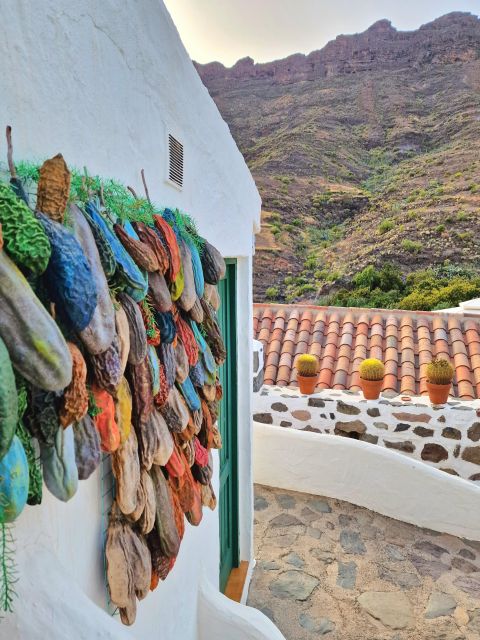
- Restored Canarian farmhouse complex dating to around 200 years old
- Cactus garden trails with a wide mix of plants and scenic viewpoints
- Fruit farm learning: mangoes, avocados, soursops, plus tunera (cactus)
- Vermouth in Mogán made on-site, with both white and red tastings
- Gazpachuelo de mango: cold mango-and-yogurt soup with chocolate cubes
- Guides who keep it friendly, including people like Tatiana and Katarina
First impressions at Valle de Mogán: quick setup, easy start
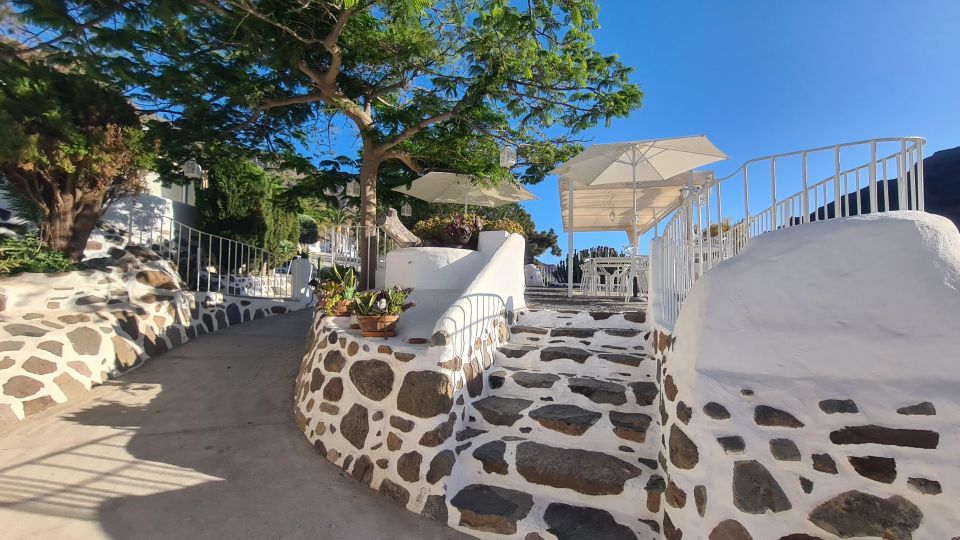
The experience starts in the Pueblo de Mogán area, at the parking of the Valle de Mogán restaurant (Los Pasitos, 2). Your guide wears a black jacket, which makes meeting up fast and low-stress.
Why this matters: you’re not wasting time figuring out where to go. You arrive, you get orientated, and you’re off into Mogán’s valley world—views included from the start. With a duration of about 2 hours, you’ll want that first bit to move smoothly, and this does.
Also, note the group size. This is a small group (max 10) with a private guide, so you get explanations that fit the pace of the room, not a rushed line.
You can also read our reviews of more historical tours in Gran Canaria
Inside the 200-year Canarian farmhouse complex
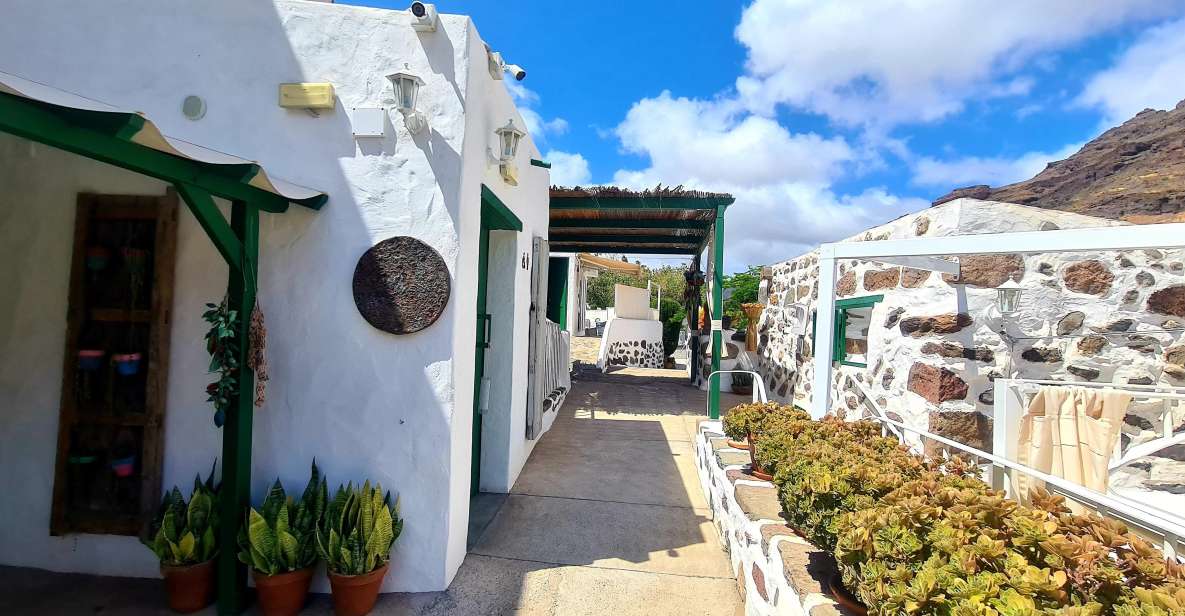
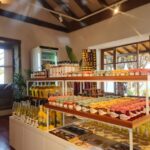
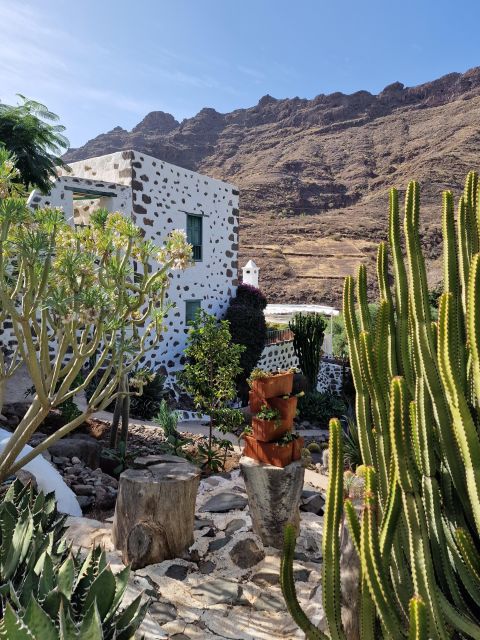
The first big draw is the setting: a set of small buildings in the style of popular Canarian architecture, faithfully restored, and about 200 years old. It’s not just a pretty backdrop. The house complex works like a window into how island farm life was organized—rooms, courtyards, and spaces that feel practical rather than staged.
What you’ll notice is how the property sits within nature and native vegetation. This kind of restoration matters because it keeps the architecture tied to its environment, instead of isolating it like a museum object.
Here’s your best way to enjoy this part: slow down when the guide points out the features of the house, then look beyond them toward the valley views. You’ll get a stronger sense of place—why this farmhouse made sense where it was built.
Cactus garden walking paths and the tunera connection
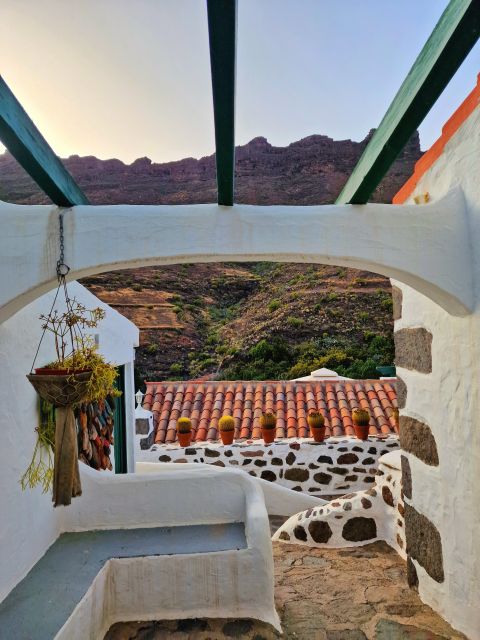
Next comes one of the most interesting changes in scenery: a walk through a cactus garden with a big variety of plants. The trails are built for wandering, with plenty of chances to pause for photos.
The cactus part is more than decorative. You’ll hear how cactus—called tunera—fits into Canarian cuisine. That matters because many people visit Gran Canaria and think food starts at restaurants. Here, you see how ingredients come from the land first, then end up on the plate.
Practical tip: wear shoes with grip. Even if the tour is only around two hours, you’re on pathways and you’re moving between farm areas.
Mangoes, avocados, soursops, and how the garden feeds the kitchen
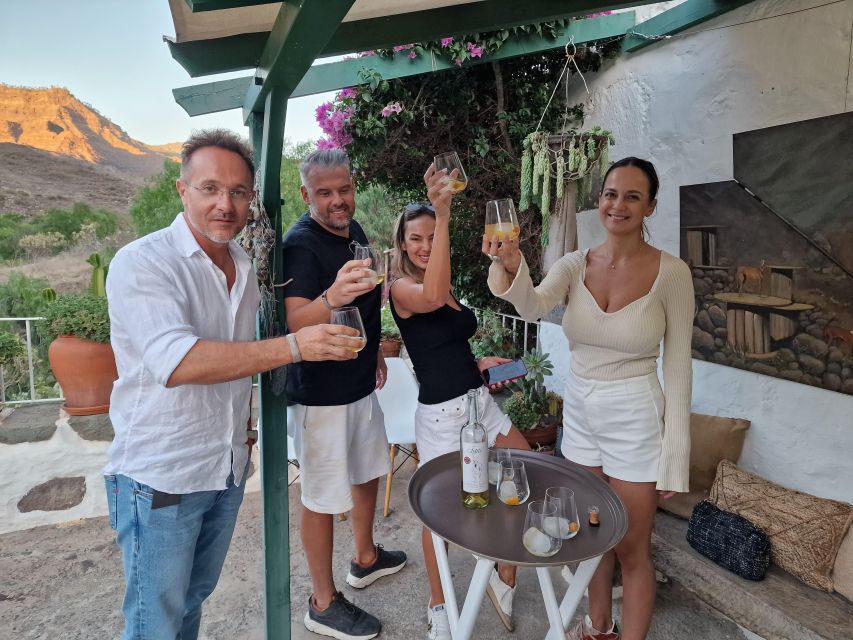
After the cactus section, the tour shifts into the fruit-growing side. You’ll see how mangoes, avocados, and soursops grow, and you’ll get a guided look at how these fruits show up in Canarian cooking.
This is where the tour starts to feel like a “why” lesson, not just a “what” lesson. Knowing how plants are used changes how you taste later. When you reach the tasting, you’re not only choosing between flavors—you understand what role each fruit plays.
There’s also a specific tasting theme running through the farm part. The guide explains cactus and fruit uses, so you’re already mentally mapping flavors as you walk. By the time the dessert arrives, the mango component feels intentional, not random.
One more reality check: the property includes time on foot, and access to the mango plantation involves a down-hill route. If you have mobility concerns, this is worth thinking through before you book.
The vermouth-making side in Mogán: white and red Lolito
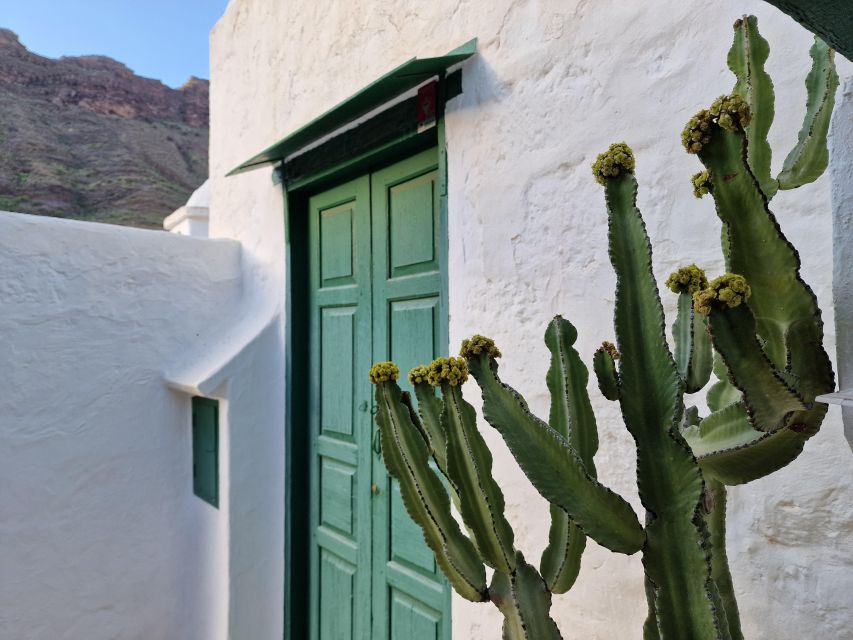
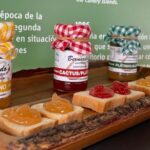
Then you reach the vermouth segment, and it’s the most “Gran Canaria local” part of the tour. On the farm, they make vermouth—described as the first vermouth made in Gran Canaria in this context—and you get a tasting of Lolito in both white and red styles.
Tastings are where some tours get boring. This one avoids that by pairing the tasting with earlier context from the fruit and plant sections. You’re already in a food-and-land mindset, so the vermouth becomes part of the same story: how farm products turn into something celebratory.
What you’ll actually do here:
- You’ll visit the vermouth/winery area
- You’ll have a vermouth tasting (red and white)
- You’ll also have a food tasting component as part of this stop
From the experiences shared by past participants, the choice between white and red tends to split people’s preferences. If you like sweeter notes, you might lean white. If you prefer deeper spice and color, red often wins. Either way, you’re not just sampling—you’re learning to compare.






Gazpachuelo de mango: the dessert that ties it all together
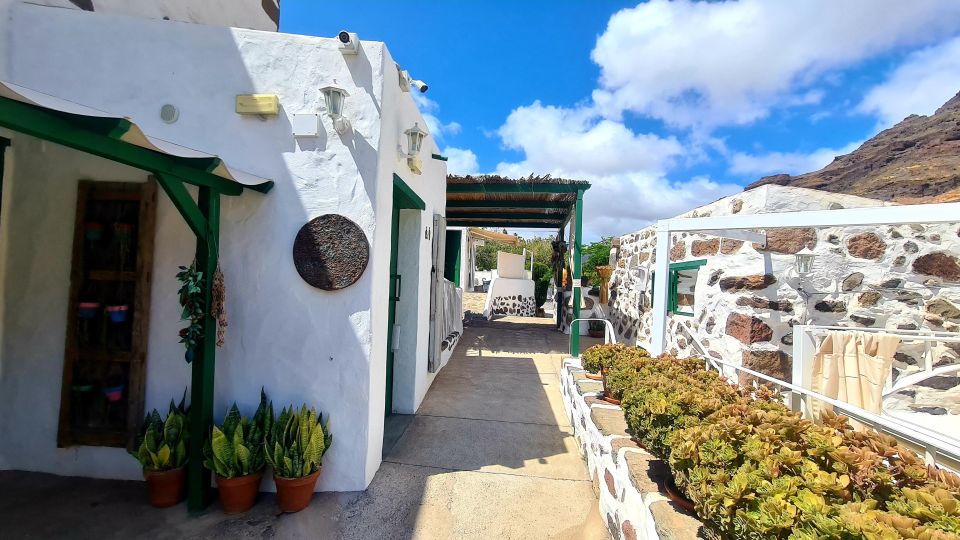
The included finale is a dessert called Gazpachuelo de mango. It’s described as a cold mango and yogurt soup with chocolate cubes.
This is not the kind of dessert you can easily predict from a menu. It’s unusual in texture and temperature, and that’s part of the charm. The cold mango-and-yogurt base gives you a creamy tangy sweetness, while the chocolate cubes add a contrasting bite.
Why this works on a short tour: it gives you a full sensory finish—flavor, temperature, texture—without needing a long restaurant meal. You leave with a distinct memory, not just a sip of alcohol and a quick photo.
And yes, the tour includes water, plus a toilet on site, which sounds basic until you’re doing outdoor walking in warm weather.
Optional lunch or dinner at Valle de Mogán
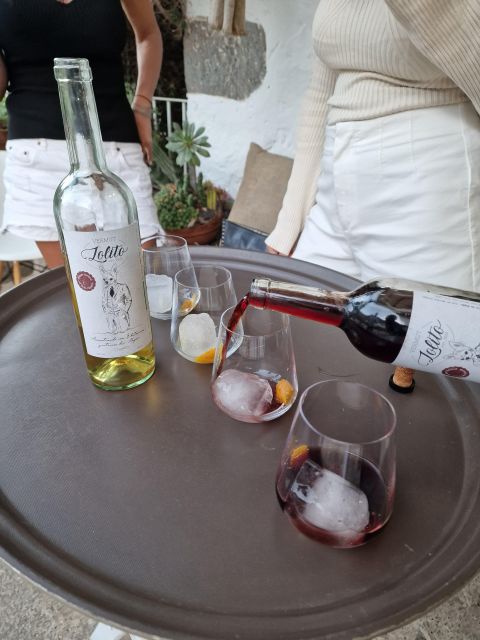
If you want to turn this from a tasting into a proper meal, there’s an optional lunch or dinner at the restaurant Valle de Mogán. It’s not included in the standard package, but the idea is simple: you’ll feast on local dishes made from the freshest ingredients.
This is a smart add-on for two types of travelers:
- You want to stretch your time in Mogán beyond the roughly 2-hour tour flow
- You’re the type who likes to keep eating what you learned about, right after the tasting context
If you’re short on time or just want the highlights, you don’t need the meal to get a complete experience—the vermouth tasting and Gazpachuelo de mango already anchor the tour.
Price and value: what $63 gets you, and who it fits
At $63 per person for about 2 hours, the value comes from what’s included—not just the “tour” part.
You get:
- A private guide
- Vermouth tasting (white and red, Lolito)
- The included dessert Gazpachuelo de mango
- Water and toilet access
- A small group setup capped at 10 people
That package is why this doesn’t feel like a cheap add-on. You’re paying for access to a working farm-style experience plus guided explanations tied to food and drink. If you’re the kind of traveler who loves tasting local products, this tends to land well.
Who it’s best for:
- Food lovers who like explanation with their tastings
- People who enjoy botanical walks (cactus, fruit-growing areas)
- Travelers staying in or near the Mogán area and wanting a focused two-hour outing
Who should reconsider:
- Anyone who struggles with walking down to the mango plantation area
- People with heart problems or high blood pressure
- Very advanced age (the tour notes it isn’t suitable for people over 95)
Should you book this Gran Canaria mango and vermouth house tour?
I’d book it if you want a short, structured experience that blends architecture, farm education, and an actual tasting finish. It’s especially appealing if you like the idea of learning how mangoes and even cactus (tunera) connect to Canarian food—and then tasting the results in vermouth and the Gazpachuelo de mango dessert.
Skip it if you want a fully flat, low-movement outing, or if mobility limits make farm walking uncomfortable. The tour is wheelchair accessible in general, but the mango plantation route involves a down-hill part that isn’t suitable for everyone.
If you’re planning your Mogán day and want something more memorable than a quick viewpoint stop, this one earns its place.
FAQ
How long is the tour?
It lasts about 2 hours.
How big is the group?
The group is limited to 10 participants.
What languages are available?
The live tour guide offers English, Spanish, and Russian.
What’s included in the price?
You get a private guide, water, toilet access, the Gazpachuelo de mango dessert, and a Lolito vermouth tasting (red and white).
Is hotel pickup and drop-off included?
No. You meet at the parking of the Valle de Mogán restaurant, and the activity ends back at the meeting point.
Is it wheelchair accessible?
It is listed as wheelchair accessible, but it isn’t suitable on the way down to the mango plantation. It also isn’t suitable for baby carriages and for people with certain mobility or health limitations.
If you’d like, tell me where you’re staying in Gran Canaria (Puerto Rico, Maspalomas, Las Palmas, etc.), and I can suggest the best way to build this into your day.