REVIEW · GRAN CANARIA
2 hours Green Mountains Horse Riding Tour
Book on GetYourGuide →Operated by HORSE RIDING CANARIA · Bookable on GetYourGuide
If you want mountain air and a real change of pace, this ride fits. A guided horseback route from Ojos de Garza takes you through up-and-down countryside to viewpoints over Las Palmas and beyond.
I especially like the hands-on start: you get your helmet, vest, and boots, then a short briefing on how to handle your horse before you head out. I also like that the route has options for different comfort levels, from easy strolling for beginners to faster riding moments for those who want it.
The main drawback is simple: it is not for everyone. If you’re dealing with motion or altitude issues, or you’re outside the size/age limits (including over 65), you’ll want to skip this and look for a different activity.
In This Review
- Key highlights you’ll actually feel
- Horse Riding Canaria Barn: Getting Set Up Fast in Ojos de Garza
- The 15-Minute Training in Telde Before You Ride
- Green Mountains Riding: Views From Las Palmas to Arinaga
- Two Route Choices: Cave Country and Ancient Village Views
- Pacing and Control: When You’ll Stroll vs. Trot or Canter
- Price and Value: Is $96 Worth It for Two Hours?
- What to Bring (and What You Can Skip)
- Who This Horse Riding Tour Suits Best
- The Details That Make It Feel Smooth
- Should You Book This 2-Hour Green Mountains Horse Riding Tour?
- FAQ
- What should I wear for the horse riding tour?
- Is the tour suitable for beginners?
- Will I get helmets, safety gear, and riding boots?
- Where is the meeting point?
- How long is the horseback riding?
- What views will we see on the ride?
- What languages does the instructor speak?
Key highlights you’ll actually feel
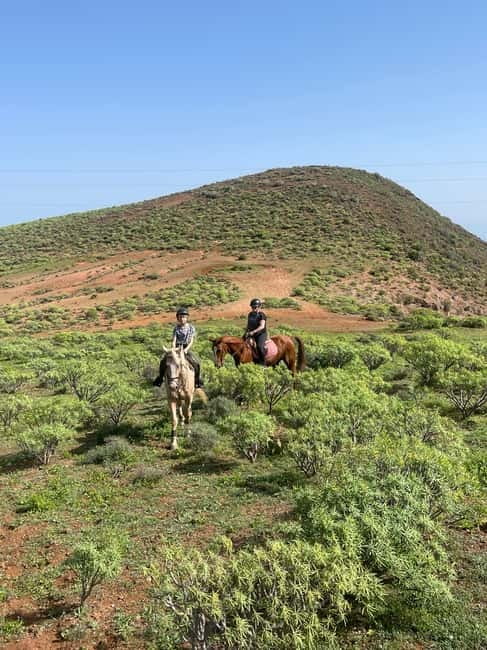
- Small group (up to 8) means more attention and less waiting
- Safety gear included: helmet, vest, and riding boots
- Beginner-friendly riding tracks plus options for advanced riders
- Big panoramic payoff from a viewpoint reaching Las Palmas to Arinaga
- Cave route option with deep cliffs and an ancient village tucked into rocky caves
Horse Riding Canaria Barn: Getting Set Up Fast in Ojos de Garza
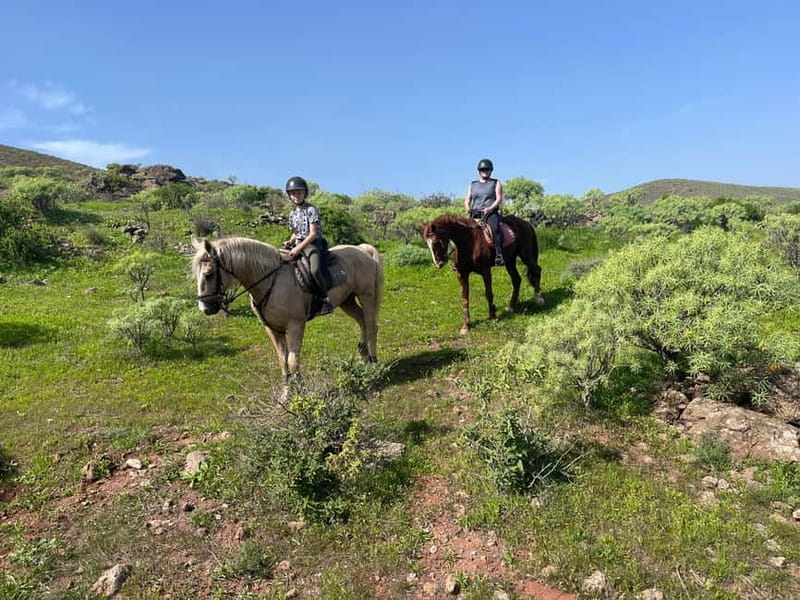
You’ll meet at the main barn of Horse Riding Canaria in the countryside near Ojos de Garza. When you enter the gate, park in the car park and walk to the right where the instructor is waiting.
This start matters more than you might think. A real barn setup usually means you’re not just getting a quick hello and jumping on a horse—here, you’re getting outfitted so you can focus on balance and comfort once the trail starts. You’ll be given a helmet and safety vest, plus riding boots, so you don’t have to hunt down gear before you arrive.
The vibe is practical. You’ll look at your horse, get fitted, and get ready for a two-hour experience that’s mostly about riding and scenery, not long transfers or a busy schedule.
You can also read our reviews of more tours and experiences in Gran Canaria
The 15-Minute Training in Telde Before You Ride
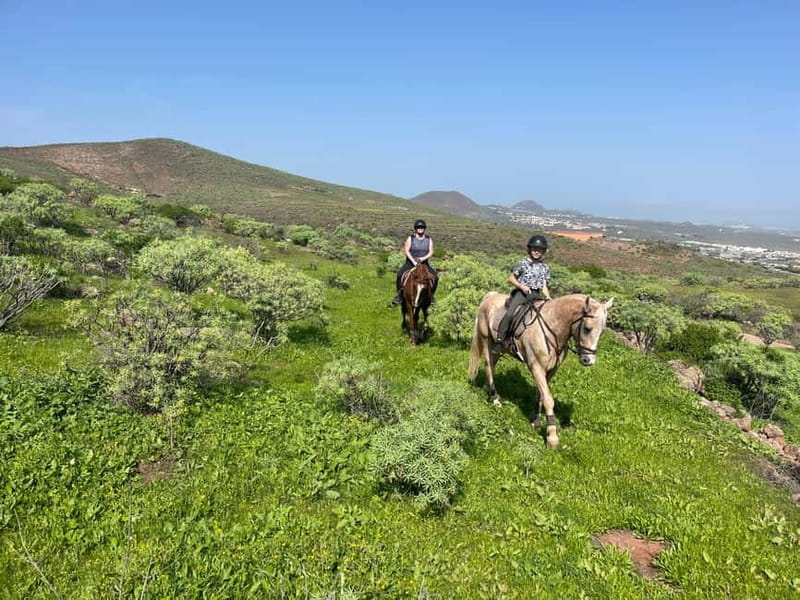
Before you move onto the longer riding time, there’s a short class session in Telde—about 15 minutes. It’s designed to get you confident with the basics of leading and managing your horse.
For beginners, this is the sweet spot. It’s not a full riding school, but it’s enough to help you understand how to stay calm, follow the guide, and do the simple actions that keep things smooth. If you’re more experienced, it still helps because it sets expectations for the specific horses and trail style you’ll be riding that day.
One thing to do right: tell the provider your riding level and the age of participants ahead of time. That small step helps the guide plan how to pace the group and what kind of track segments you’ll be offered.
Green Mountains Riding: Views From Las Palmas to Arinaga
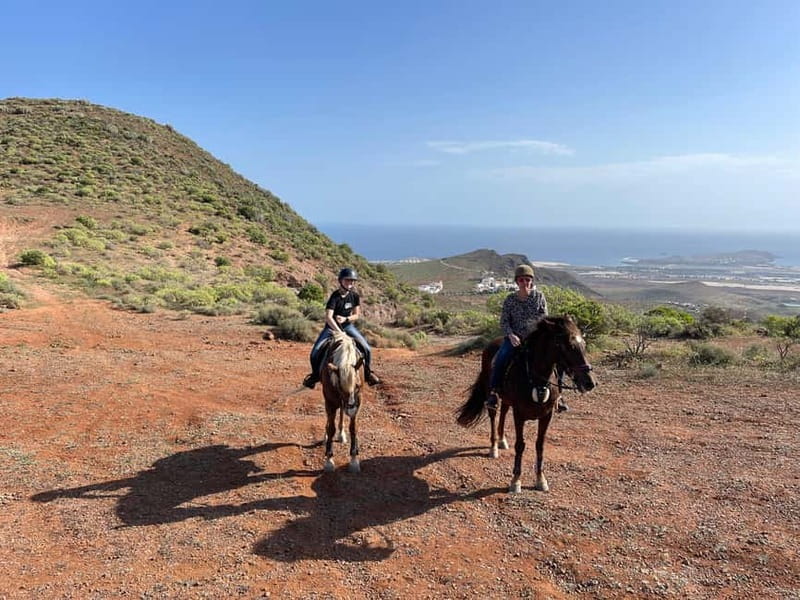
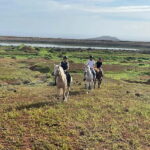
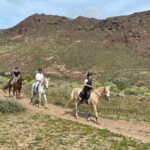
Once you’re out on the trail, expect a route that goes up and downhill. That means you’ll feel real countryside riding instead of a flat, beginner-only loop.
The big moment is the viewpoint. The route climbs toward a place with sweeping views reaching all the way from Las Palmas to Arinaga. When you reach that overlook, you’ll have time to take it in while the ride quiets down a bit.
Why this matters: you’re not just going for an animal encounter. You’re getting a scenic drive-through in the truest sense, but powered by a horse. For a lot of people, that viewpoint is the reason they book.
The trail also gives you variation without requiring extreme ability. Even if you’re a beginner, you’ll likely feel the “mountains” part through gradual changes in terrain and pace.
Two Route Choices: Cave Country and Ancient Village Views
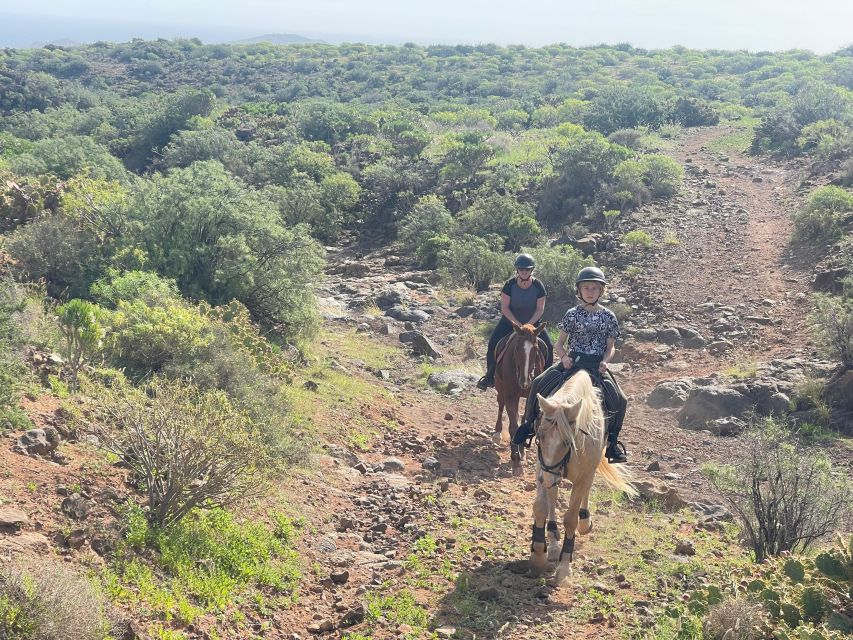
At some point on the ride, you’ll be given route options depending on conditions and your group’s comfort. You can either go further up for more dramatic hillside riding, or choose a path that leads toward local caves.
The cave option is described as a very green, wild-feeling area, with deep cliffs where you can see an ancient village inside rocky caves. If you like scenery with texture—cliff lines, rock formations, and that sense of old settlement geography—this is the segment that adds drama.
On the way back, you’ll pass close to olive orchards. That’s a nice change from open viewpoints. It gives you a more local, lived-in feel: cultivated trees, a quieter visual rhythm, and an area where you’re riding through something that looks part farmland, part hillside.
A practical note: this is still horseback terrain. The cave route may include rougher footing or tighter cliffside sections than the simpler track. If you’re unsure about comfort, choose the option that matches your comfort level rather than trying to prove anything.
Pacing and Control: When You’ll Stroll vs. Trot or Canter
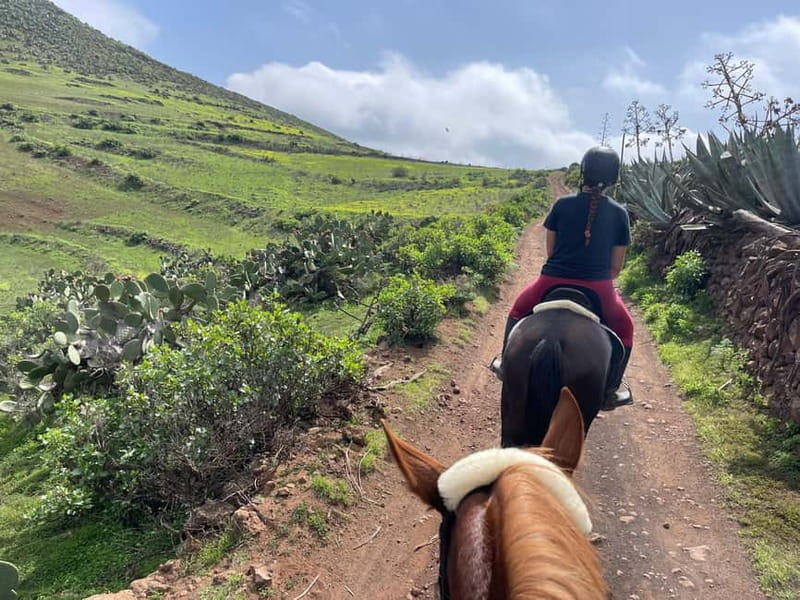
The ride is built to serve different rider levels. Tracks are suitable for both beginners and advanced riders, which usually means the guide can adjust what each group segment looks like.
Here’s what you can expect based on ability:
- Beginners can enjoy strolling and relaxing, guided step by step.
- Advanced riders may have the opportunity to trot and canter on part of the track.
The key is the guide’s role. You ride with safety equipment and a guide who helps you stay confident on the trail. That matters because horseback riding isn’t just physical balance—it’s also about trusting the animal and reading the route. A good guide keeps the group moving safely and helps you avoid “what do I do now?” moments.
If you want a calm experience, go in planning for steady pacing and scenery time. If you want more action, tell your guide what you’re comfortable with and be ready for short bursts of faster riding when the route allows.
You can also read our reviews of more tours and experiences in Gran Canaria
Price and Value: Is $96 Worth It for Two Hours?
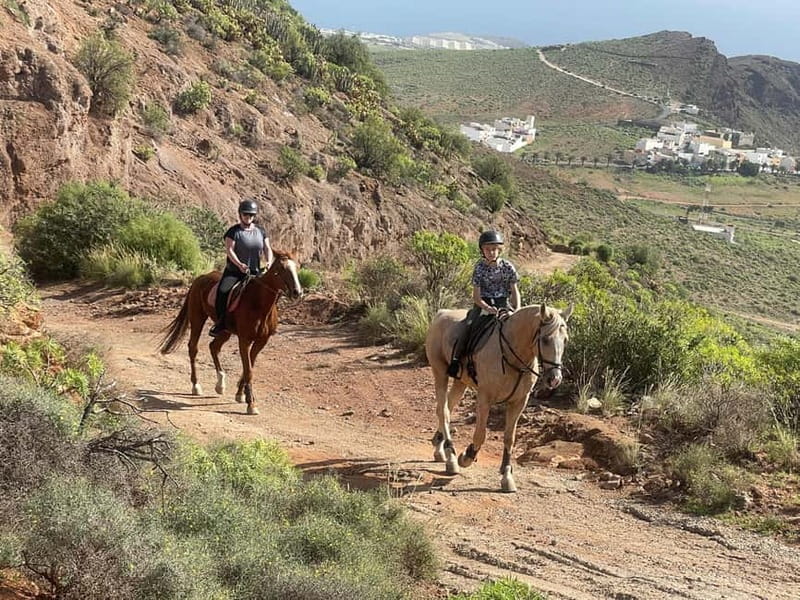
At $96 per person for a 2-hour guided horseback tour, you’re paying for three things at once: instruction, animal handling, and guided access to mountain terrain with real viewpoints.
What makes it good value is what’s included. You don’t just pay to sit on a horse. You get:
- a guide
- helmets, vest, and boots
- a guided ride in the countryside with route options
Also, the small group size (up to 8 participants) is a value driver. More people can mean more waiting time and less personal help. Here, the guide can manage a tighter group, which usually translates to a smoother experience for both beginners and more confident riders.
Where the price might feel less appealing is if you’re expecting more than riding and viewing—like a long cultural stop, a meal, or extra attractions. Food and drinks aren’t included, and the experience stays focused on the horseback adventure.
If you want a scenic, guided 2-hour outdoors break in the Las Palmas area, this is priced like an activity that’s meant to deliver real riding time, not sightseeing theater.
What to Bring (and What You Can Skip)
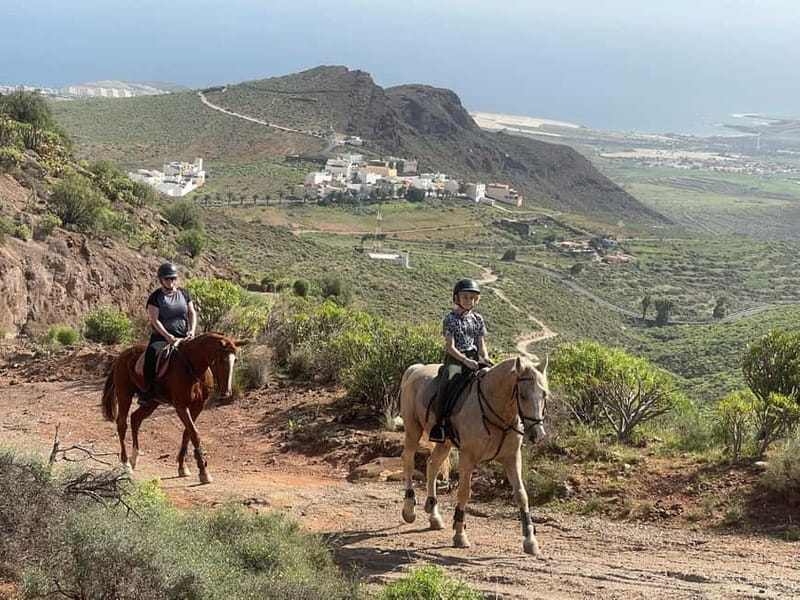
You’ll be provided with helmet, safety vest, and riding boots. That’s a big relief if you don’t travel with specialized shoes.
Still, you should bring:
- comfortable shoes
- comfortable clothes
- closed-toe shoes
Why this matters: you’ll be in motion, and you don’t want loose outfits that snag or make it hard to maintain stable footing. Also, you’ll likely be changing from walking around the barn to being on a horse fairly quickly, so dress for that rhythm.
If you get cold easily, consider layers—mountain air can feel different than town temperatures. The tour is short, but it’s outdoors the whole time.
Who This Horse Riding Tour Suits Best
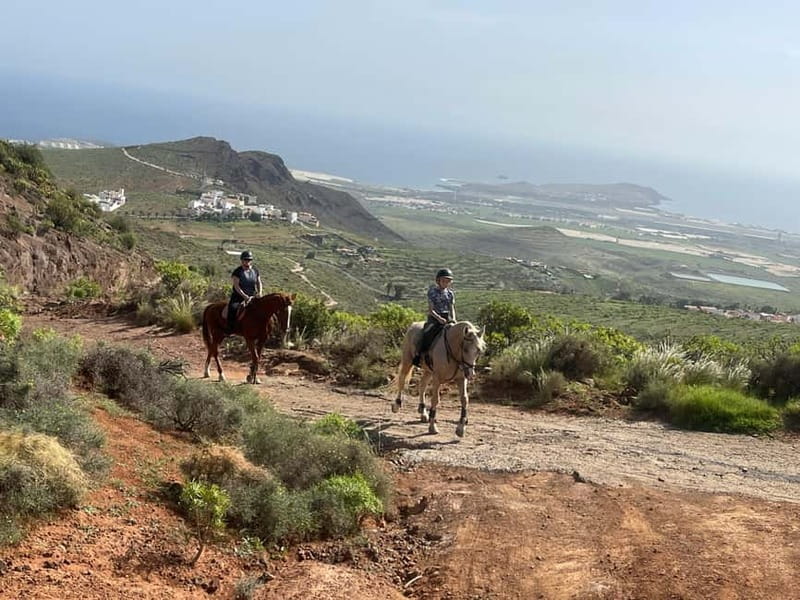
This is a strong choice if you want an authentic outdoors experience without needing advanced training. The course is designed to be suitable for beginners and advanced riders, with a guide and safety setup to support you.
It’s also a good fit if you like panoramic rewards. The ride aims for viewpoints with sight lines that stretch across the area, including Las Palmas and Arinaga.
Where it doesn’t fit:
- Children under 10
- People over 65
- People over 200 cm (6 ft 6 in)
- People over 100 kg / 220 lbs
- Anyone with altitude sickness
- Anyone with motion sickness
If you’re in a group where some people are nervous and others are ready for speed, this tour can still work because the guide can adapt how you ride. Just be honest about your comfort level so the day stays fun rather than tense.
The Details That Make It Feel Smooth
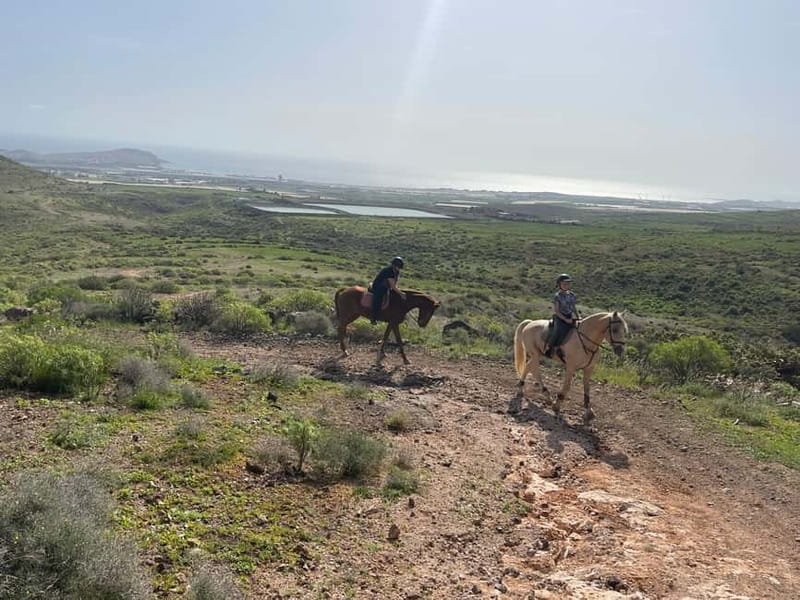
Small-group horseback tours often swing between relaxed and chaotic. This one looks engineered to stay organized.
You get set up at the barn, then you move to the riding area with that short training session first. The ride itself is long enough (two hours) to feel like you left the road and entered the countryside, but short enough that most people can enjoy it without fatigue taking over.
Language support is also useful if your Spanish or French is rusty. The instructor speaks English, French, Italian, and Spanish.
One more practical point: don’t plan this like a casual stroll. You’re sitting in a saddle, moving on uneven terrain, and managing the horse’s behavior with the guide. If you go in expecting an easy walking tour, you’ll be disappointed. If you go in expecting a real riding experience, you’ll feel in your element.
Should You Book This 2-Hour Green Mountains Horse Riding Tour?
Book it if you want a guided horseback ride with real mountain views, small-group attention, and safety gear provided. The route options—viewpoint-focused or cave-and-cliff scenery—also give you a reason to pick this specific tour instead of a generic trail ride.
Skip it if you’re in any of the listed categories where it’s not suitable, especially motion sickness, altitude issues, or the age and size limits. And if you hate the idea of being outdoors on uneven terrain, choose a different activity that matches your comfort.
If your goal is a two-hour break that feels like you truly changed scenery—mountains, olive orchards, and that Las Palmas-to-Arinaga viewpoint—this is a smart pick.
FAQ
What should I wear for the horse riding tour?
Wear comfortable clothes and closed-toe shoes. You’ll also be given riding boots as part of the tour gear, but bring footwear that feels stable for walking at the barn and getting on and off the horse.
Is the tour suitable for beginners?
Yes. The trails are suitable for both beginners and advanced riders, and beginners can enjoy strolling and relaxing while the guide helps you stay confident on the route. Be sure to tell the provider your level.
Will I get helmets, safety gear, and riding boots?
Yes. The tour includes helmets, a vest, and riding boots, along with a guide for the horseback portion.
Where is the meeting point?
Meet at the main barn of Horse Riding Canaria. Park in the car park when you enter the gate, then walk to the right where the instructor will be waiting. The tour ends back at the same meeting point.
How long is the horseback riding?
The tour is 2 hours total. You’ll start with a short class session before the ride, and then you’ll enjoy the longer horseback portion as part of the same experience.
What views will we see on the ride?
You’ll ride toward a viewpoint with sweeping views reaching from Las Palmas to Arinaga. There’s also an option to take a route toward local caves with deep cliffs and an ancient village inside rocky caves.
What languages does the instructor speak?
The instructor speaks English, French, Italian, and Spanish.