REVIEW · GRAN CANARIA
Las Palmas: 8-Hour Gran Canaria Island Highlights Tour
Book on GetYourGuide →Operated by Excursions Gran Canaria · Bookable on GetYourGuide
Gran Canaria changes fast when you cross it. This 8.5-hour highlights tour strings together Bandama volcano craters, mountain villages, and viewpoint time that makes the whole island feel understandable, not random. I really like the mix of dramatic nature and real local stops, and the fact that you get an English-speaking guide to connect the dots as you drive.
My other favorite part is the top-of-island viewpoint timing, especially the run up toward Pico de las Nieves, where you can see Tenerife on clear days. One possible drawback: the schedule is packed, so expect quick in-and-out moments at some stops, plus lunch at Fataga costs extra and may not match every diet or budget.
In This Review
- Key Highlights Worth Marking on Your Map
- Crossing Gran Canaria North to South Without a Car Headache
- Bandama Volcano: Extinct Crater Views With Real Geology Energy
- Santa Brígida: A Historic Centre Stop That Slows the Day Down
- Pico de las Nieves: Highest Point Views and the Tenerife Bonus
- San Bartolomé: Mountain Village Feel and a Free Museum Entry
- Fataga Lunch at a Traditional Taverna: Nice Break, Extra Cost
- Maspalomas Sand Dunes: 45 Minutes of Free Time to Do It Your Way
- Winding Roads, Short Stops, and Why Comfort Matters on This Route
- Price and Value: What $54 Really Buys You
- Who This Tour Suits Best (And Who Should Skip It)
- Booking Reality Check: When This Is a Smart Choice
- FAQ
- How long is the Las Palmas 8-Hour Gran Canaria Highlights Tour?
- Is the guide provided in English?
- What are the main stops on the tour?
- Is lunch included in the tour price?
- How much free time do you get at the sand dunes?
- Do I need warm clothing?
- Is there a free museum stop on the tour?
- Is this tour suitable for kids or anyone with mobility limits?
- What if my pick-up spot is affected by Carnival construction?
Key Highlights Worth Marking on Your Map
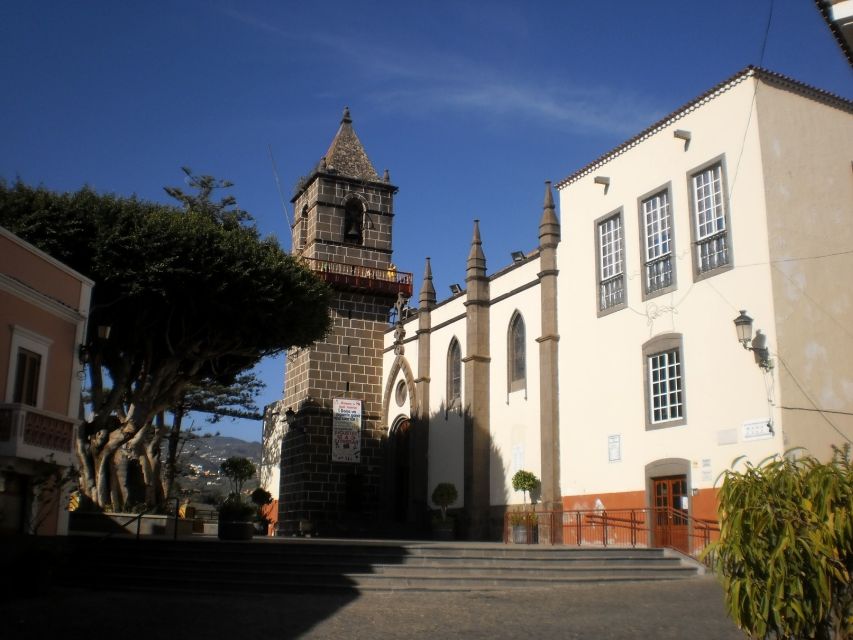
- Bandama’s extinct volcano crater views: big history, big panoramas, easy walking once you’re there
- Pico de las Nieves viewpoint time: the island’s highest point, often with wide-sky visibility
- Santa Brígida’s old-town center: a calmer, more historic pace than the coastal towns
- San Bartolomé ethnographic museum (free): culture stop with no extra ticket cost
- Maspalomas sand dunes walk: about 45 minutes of free time on the iconic dunes
Crossing Gran Canaria North to South Without a Car Headache
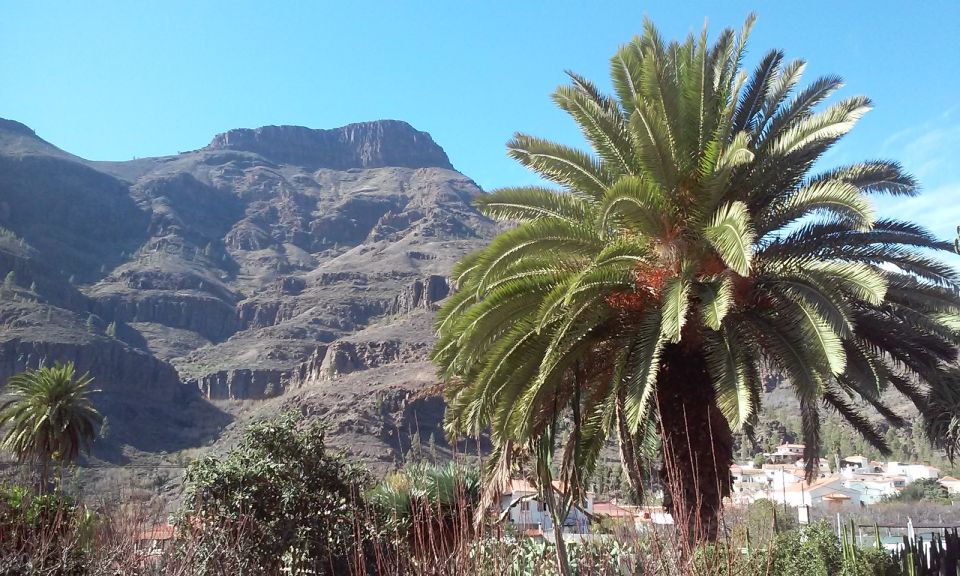
If you only have a few days on Gran Canaria, this is the kind of tour that helps you get your bearings fast. You start in the north, climb into the mountains, and work your way down toward the south’s desert-like sand dunes. The result is a day that feels like several trips in one.
What you’re buying with this tour is not just transportation. You’re buying someone else’s planning: an experienced driver for winding roads, and a guide who can explain why the island looks the way it does as the elevation changes. For $54, that’s a strong value when you’d otherwise spend the day figuring out roads, parking, and routes yourself.
You can also read our reviews of more tours and experiences in Gran Canaria.

Bandama Volcano: Extinct Crater Views With Real Geology Energy
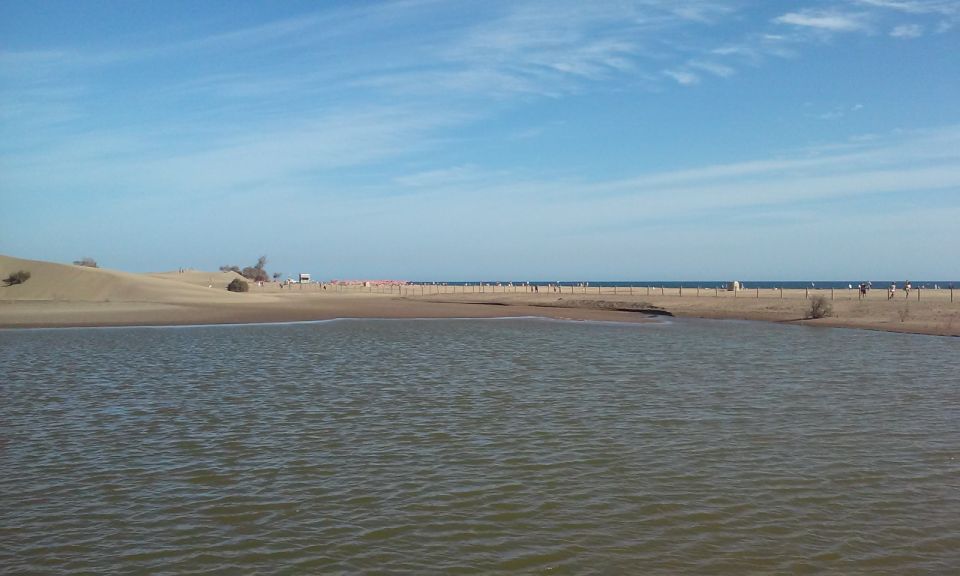
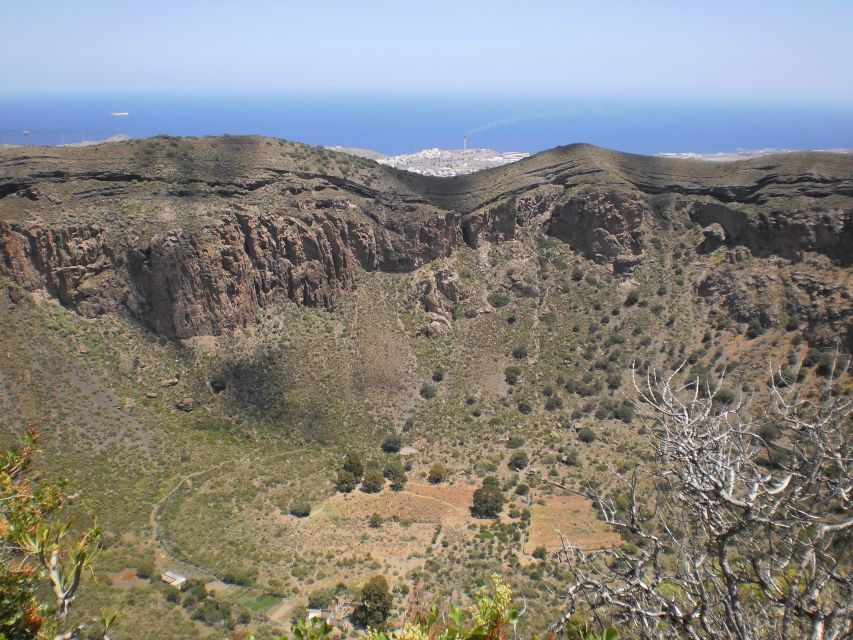
The day begins with the Bandama volcano, the first stop and the one that sets the tone. You’ll see the largest crater of an extinct volcano on the island, plus sweeping views that reach across the east coast, the mountains, and out toward Las Palmas.
This stop is great if you like scenery that comes with a story. Volcanic landscapes can look dramatic even if you don’t know what you’re looking at, but a guide adds the why behind the shapes. You also get early momentum, which matters because the rest of the day climbs and moves.
A practical note: even though the walking isn’t described as long or extreme, it’s a volcano viewpoint. Bring water and wear sunscreen, since you’ll likely be exposed.
Santa Brígida: A Historic Centre Stop That Slows the Day Down
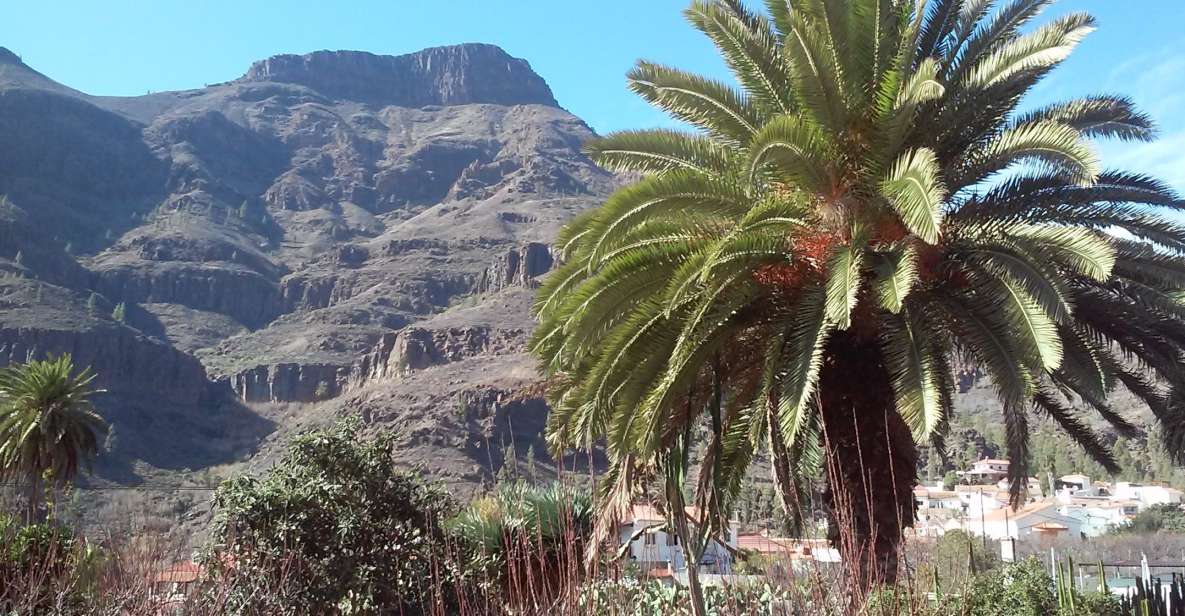
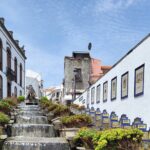
After the crater views, you’ll continue to Santa Brígida, known for its historical centre. This is your change of pace stop: less about altitude and more about old streets and local identity.
I like this kind of stop because it prevents the day from becoming a series of photo pull-offs. The goal here is to actually notice the town—its feel, its layout, and the sense that the island isn’t only coast and viewpoints. Even with limited time, this stop gives you a real-time snapshot of mountain life.
One consideration: like many highlights tours, your time here is planned, so don’t expect an unhurried wander through every side street. If you’re the type who loves getting lost, do a quick loop first for photos, then return for any extra sights you didn’t catch.
Pico de las Nieves: Highest Point Views and the Tenerife Bonus
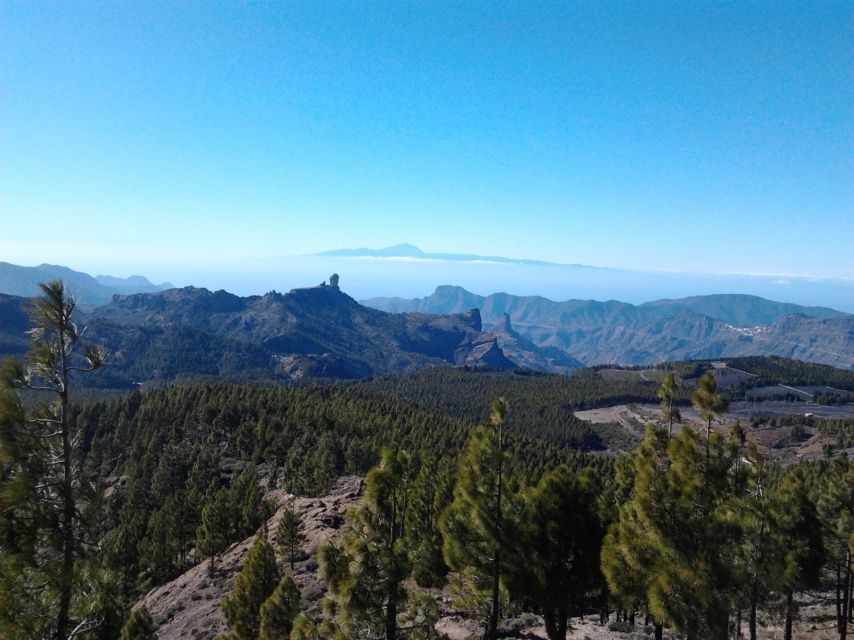
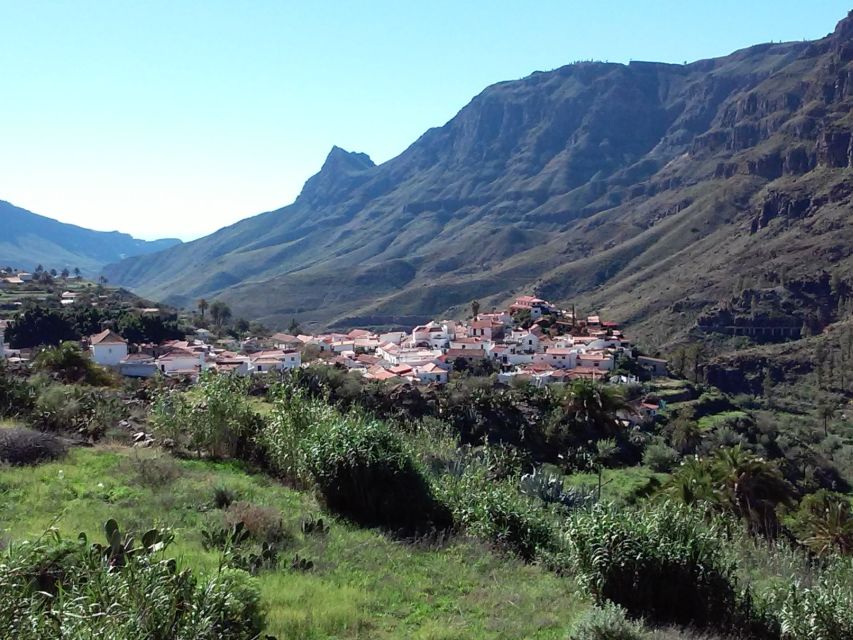
From Santa Brígida, the route continues up toward Pico de las Nieves, the island’s highest point. This is where the island wide-angles start to kick in, and your day shifts from “nice views” to “wow, this is Gran Canaria.”
You’ll take in panoramic vistas that often include the neighbouring island of Tenerife. Clear visibility can make this stop feel like a free add-on, and even if cloud cover shows up, it still often gives you an atmospheric sense of height and weather shifts across the island.
Two things to plan for:
- Bring warm clothing, especially in cooler months, even if you’re starting the day in sunshine.
- Keep the umbrella or raincoat option in your bag during winter months, since weather can change quickly in higher elevations.
San Bartolomé: Mountain Village Feel and a Free Museum Entry
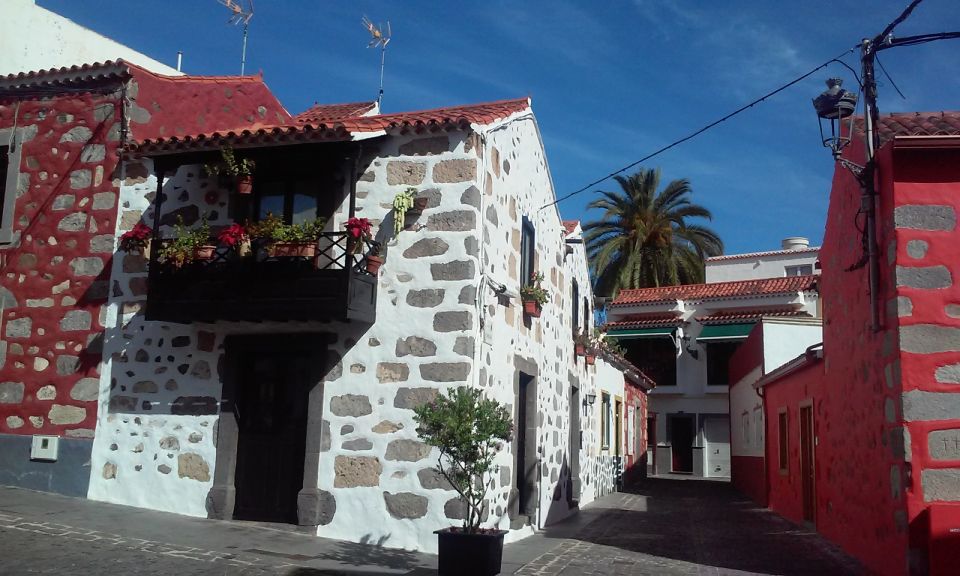
Next up is San Bartolomé, a mountain village with an ethnographic museum. The best part for practical travelers: you can visit the museum for free of charge, which turns this stop into real value without added ticket costs.
This is the kind of place that makes the rest of the tour click. You go from volcanic and viewpoint time into everyday culture, where you can understand local traditions in a way that a roadside photo can’t. If you’re curious about how Canarian mountain communities live, this is the most culture-forward moment of the route.
Expect a calmer rhythm than the coastal towns. You’ll be able to step away from the bus and spend time on foot, but still within the day’s pacing.

Fataga Lunch at a Traditional Taverna: Nice Break, Extra Cost
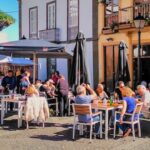
Lunch happens in Fataga, at a traditional taverna. This is described as an additional cost, so it’s not baked into the $54 price.
Here’s what to expect: you’ll stop for lunch in the village, then continue toward the dunes after. In one of the real-life experiences shared by other travelers, vegetarian options were limited and restaurant prices felt a bit high for simple items. At the same time, other accounts praised specific dishes and said lunch was well-organized with minimal waiting.
My advice: treat lunch here as part of the experience, not as a bargain guarantee. If you eat vegetarian, go in knowing options might be simple. If you’re flexible, this can be a satisfying mountain-food moment, especially because you’re eating in a place away from the usual tourist strip.
Maspalomas Sand Dunes: 45 Minutes of Free Time to Do It Your Way
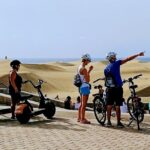
The finale is the famous Maspalomas sand dunes. You’ll have about 45 minutes of free time here, which is enough to walk, take photos, and enjoy that unusual desert-at-the-end-of-the-day feeling.
I like that the tour gives you time to choose your own pace instead of timing every step like a theme park. Some people will want the shoreline and sand angles for pictures, while others simply want to put their feet in the sand and reset after the mountain drive.
Bring swimwear if you want to make the most of the sand-dune moment. The tour info also suggests it, and it makes sense since you’ll be near the end of the day when people often want to cool off.
Winding Roads, Short Stops, and Why Comfort Matters on This Route
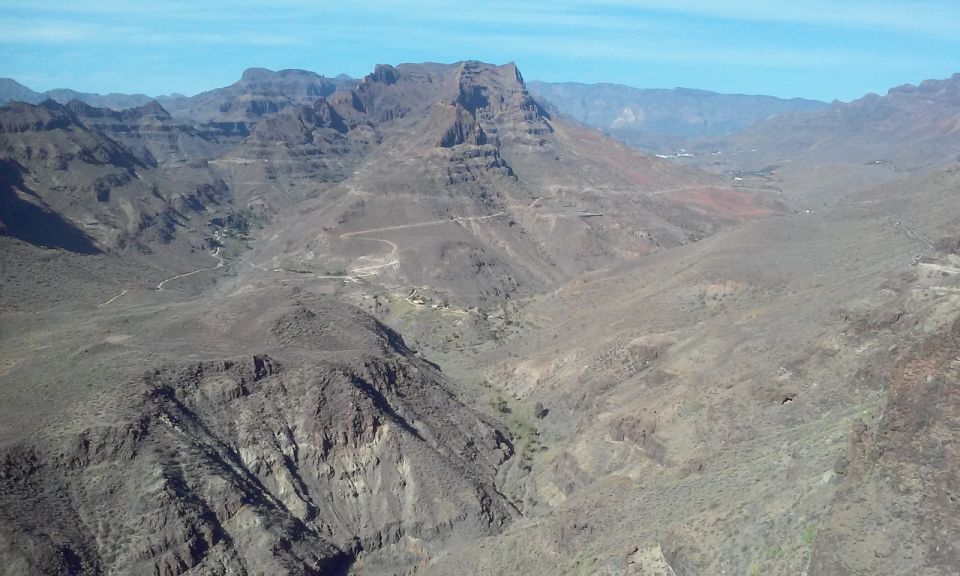
This tour involves lots of mountain driving, and there are many twisting roads. If you’re prone to road sickness, bring your medication. You’re not just dealing with motion; you’re dealing with switchbacks and elevation changes.
You’ll also experience the “highlights tour” rhythm. One common frustration shared is the frequent getting on and off for short periods. Another traveler experience suggests the vehicle can feel more personal depending on the bus size, and that the day still feels smooth overall.
So plan like this:
- Keep your day bag light and easy to grab for quick stops.
- Expect short stretches where you’re moving fast, then a longer moment where you can relax and walk.
- If you hate rushing, focus on the bigger anchors: Bandama, Pico de las Nieves, the San Bartolomé museum stop, and Maspalomas dunes.
Price and Value: What $54 Really Buys You
At $54 per person for about 8.5 hours, this is one of those tours that makes sense for people who want a lot of variety without the stress of driving. What’s included is air-conditioned transportation and a licensed English guide.
That’s the key value piece. You’re not paying just for sights. You’re paying for route management across the island’s biggest elevation swings, plus translation and context in English. For many visitors, that context turns a list of stops into a coherent story.
Lunch costs extra, and that’s the trade-off. But in return, the tour gives you a full north-to-south arc in one day, finishing with the dunes that most people would otherwise struggle to time by public transport.
Who This Tour Suits Best (And Who Should Skip It)
This experience is a strong fit for travelers who want a “see the island” day without renting a car. It also works well if you’re an English speaker who prefers an organized plan and a guide who explains what you’re seeing.
It’s not suitable for:
- Children under 7
- Pregnant women
- People with mobility impairments
- Wheelchair users
If you fall outside those categories but you still prefer slow travel, this tour might feel a bit rushed. The schedule is built for variety over extended stays, so manage expectations: you’ll see a lot, but you won’t linger for hours in each village.
Booking Reality Check: When This Is a Smart Choice
With a 4.9 rating and nearly 1,000 reviews, this tour clearly lands well for people who want island highlights delivered in one efficient day. If your goal is to understand Gran Canaria’s shape—volcanoes, mountain villages, and the sand-dune finish—this is a practical match.
I’d book it if:
- You want a guided cross-island overview in one day
- You like viewpoint stops and short walks
- You don’t want to deal with winding roads, parking, and self-driving logistics
I’d think twice if:
- You hate getting on and off a bus throughout the day
- You need lots of guaranteed long breaks at meals
- You’re sensitive to motion sickness (even with medication, mountain roads can still feel challenging)
If you do book, pack like you’re doing real hiking prep even if you’re not: water, sunscreen, warm layers, and consider a small umbrella or raincoat. That way, Pico de las Nieves won’t surprise you.
FAQ
How long is the Las Palmas 8-Hour Gran Canaria Highlights Tour?
The tour duration is 8.5 hours.
Is the guide provided in English?
Yes. You’ll have a licensed English-speaking guide.
What are the main stops on the tour?
You’ll visit Bandama volcano, Santa Brígida, Pico de las Nieves, San Bartolomé, and the Maspalomas sand dunes. You’ll also stop in Fataga for lunch.
Is lunch included in the tour price?
Lunch at a traditional taverna in Fataga is not included. It’s an additional cost.
How much free time do you get at the sand dunes?
You get about 45 minutes of free time at Maspalomas sand dunes.
Do I need warm clothing?
Yes, bring warm clothing. The info specifically notes that you should bring an umbrella or raincoat in the winter months too.
Is there a free museum stop on the tour?
Yes. In San Bartolomé, you can visit the ethnographic museum free of charge.
Is this tour suitable for kids or anyone with mobility limits?
No. It’s not suitable for children under 7, pregnant women, people with mobility impairments, or wheelchair users.
What if my pick-up spot is affected by Carnival construction?
If the Parque Santa Catalina pick-up area is blocked by Carnival construction, you should wait about 50 meters away by the YELLOW KIOSK for bus tickets in the centre of Santa Catalina Park. The guide checks both places.