REVIEW · GRAN CANARIA
Hiking in the Sacred Mountains of Gran Canaria: UNESCO
Book on Viator →Operated by Mogán Verde · Bookable on Viator
La Caldera de Tejeda feels like a sacred bowl in the clouds. This UNESCO hike takes you to the big rock landmarks and old rock-cut sites around Gran Canaria’s collapse crater. I love the small group size (max 8), because it keeps the pace relaxed and the guide’s attention focused, and I also love that the route mixes famous viewpoints with the quieter pre-Hispanic cave area on the edges of the crater. One thing to consider: it includes a longer downhill than uphill (200 m up, 380 m down), so your knees and footwear matter.
What makes this outing special is the way it’s framed. The crater, La Caldera de Tejeda, was the sacred place for the island’s indigenous inhabitants, and you can still see evidence of that in the cave spaces carved into rock, with engravings and cave paintings. Guides from Mogán Verde run it in English, and in past groups the enthusiasm of Sofie (with Eulalia) stood out for turning viewpoints into a story you actually remember.
In This Review
- Key Highlights You’ll Care About
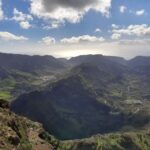
- La Caldera de Tejeda: The UNESCO Crater You Walk Around
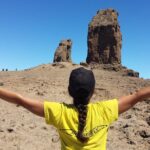
- Roque Nublo Stop: The Big Rock That Makes the Day Feel Real
- Roque Bentayga Stop: When Views Start to Tell a Story
- Mesa de Acusa: Finishing With the Pre-Hispanic Edge of the Crater
- Trail Math: 7 km With 380 m of Descent (Plan for Knees)
- Small Group Hiking With Sofie and Eulalia in English
- Timing That Fits Real Travel: Wednesdays in Oct–May
- Price and Value: What $107.17 Buys You Here
- Weather and What to Do If It Turns
- Who Should Book This Hike (and Who Might Skip It)
- Should You Book This UNESCO Sacred Mountains Hike?
- FAQ
- What day of the week does the hike run?
- How long is the hike?
- How far do we walk, and how much elevation is involved?
- Is pickup included, and what time does the tour start?
- Is the tour offered in English, and what’s the group size?
- What happens if weather is poor or I need to cancel?
Key Highlights You’ll Care About
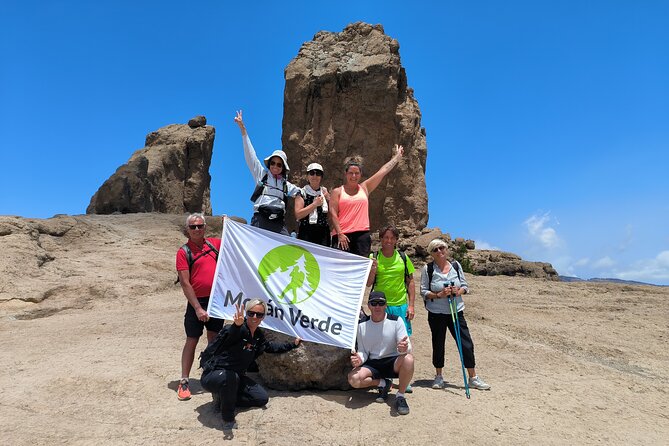
- UNESCO sacred-mountain setting around La Caldera de Tejeda, with rock-cut caves tied to pre-Hispanic worship
- Three major photo stops: Roque Nublo, Roque Bentayga, and Mesa de Acusa
- Small-group hiking with a maximum of 8 people, led in English
- 7 km route with 200 m ascent and 380 m descent, great for steady walkers who manage downhill well
- Weather-dependent excursion in October–May on Wednesdays, with a plan if conditions turn bad
- Guides Sofie and Eulalia, praised for energy and clear explanations
La Caldera de Tejeda: The UNESCO Crater You Walk Around
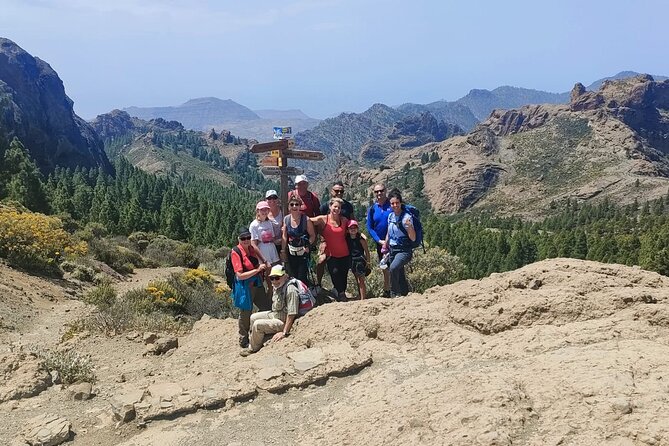
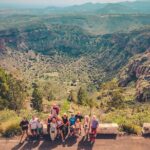
Gran Canaria’s Sacred Mountains route centers on La Caldera de Tejeda, one of the world’s largest collapse craters. If you like places where geology and culture meet, you’ll probably get a little extra emotional here. The edges of the crater are where the indigenous inhabitants treated this area as sacred, and the hike is set up to help you notice what’s still visible.
You’ll learn that the old rock-cut spaces weren’t random shelters. Caves were dug into the rock, and they were decorated with engravings and cave paintings. That means you’re not just hiking to scenic lookouts; you’re moving through the same kind of terrain that held meaning long before modern trails existed.
For me, the best value is that the route doesn’t act like the crater is a museum. It’s a walking experience where you get a sense of scale—how the crater opens up, how the rock formations frame the views, and how the stops connect into one bigger picture.
You can also read our reviews of more hiking tours in Gran Canaria
Roque Nublo Stop: The Big Rock That Makes the Day Feel Real
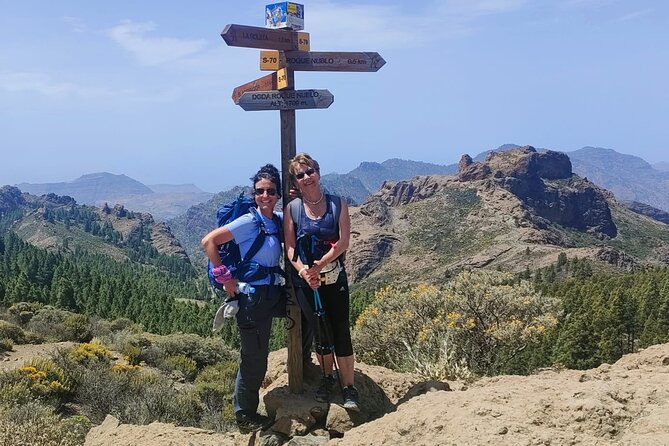
Roque Nublo is the kind of landmark you recognize even if you don’t know its name. It’s one of those signature Gran Canaria shapes that makes you stop mid-walk, turn your head, and just stare for a moment.
As a first stop, Roque Nublo is smart. It gives you an early win: you see a major formation, your eyes reset, and you start linking the day’s scenery to what the guide is explaining. In small groups, that matters—there’s enough time to get oriented without feeling rushed.
Practical note: after the initial walking time, your legs may feel fine at first, then you’ll notice how the ground changes underfoot near viewpoint areas. Bring shoes with solid grip, especially because the region can change fast. One review mentioned rapidly changing weather conditions, which is your cue to be ready for cooler breezes even if the morning starts mild.
Roque Bentayga Stop: When Views Start to Tell a Story
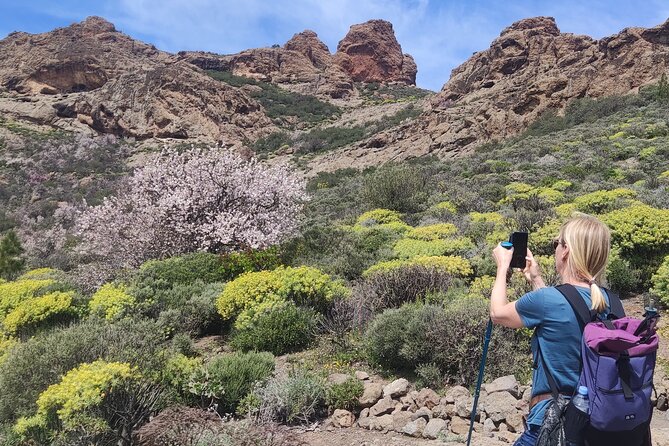
Roque Bentayga is where the hike starts to feel more than just a set of photos. The rock formations work like wayfinding. As you move from one landmark to the next, you start understanding why this crater system mattered to the people who lived here long ago.
This stop is also a good moment to slow down and listen. Sofie and Eulalia get praised for energy and knowledge, and you’ll feel that most at points like this—where the terrain alone can be impressive, but the explanation makes it memorable.
Consider this: if you’re the type who wants to take tons of photos, this is where you’ll probably spend extra minutes. It’s worth it. But if you’re chasing speed, you might feel a pinch because the day is paced around viewpoints and understanding, not just distance covered.
Mesa de Acusa: Finishing With the Pre-Hispanic Edge of the Crater
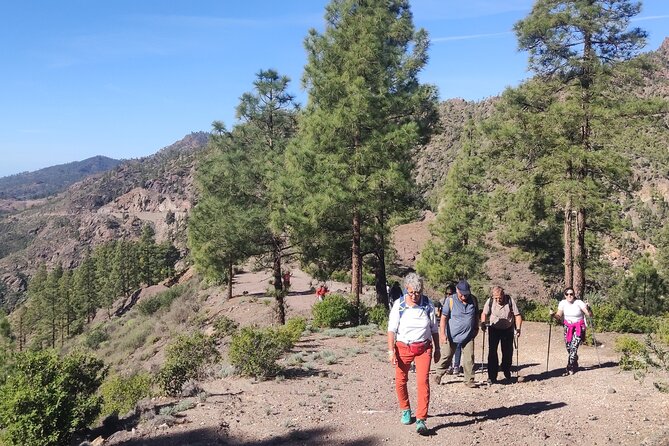
By the time you reach Mesa de Acusa, the day has already built momentum: rocks, views, and context. This is where the hike’s cultural theme comes through more clearly.
The sacred-mountain idea isn’t only about big boulders. The crater edges include caves carved into rock and decorated with engravings and cave paintings. Mesa de Acusa helps connect that theme to what you can see in the terrain around you.
What I like about ending here is the shift from landmark spectacle to something more human-scaled. You’re reminded that ancient worship didn’t rely on stadium-sized structures—it happened through places shaped by effort, with art and marking in stone.
Downside to know: because your day is about both scenery and walking, you’ll want to manage expectations. The route is only 7 km, but it’s not flat, and the descent totals more than the ascent. If you’re not used to downhill, you might feel it most on the final stretch.
Trail Math: 7 km With 380 m of Descent (Plan for Knees)
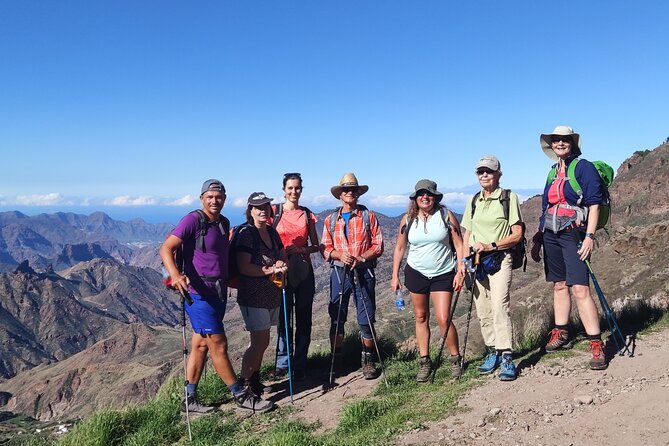
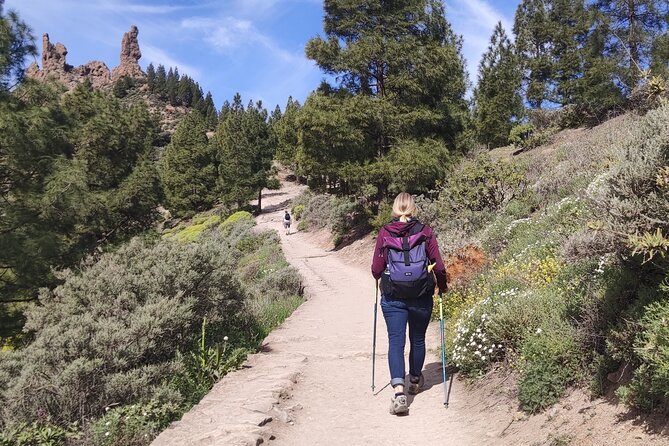
On paper, 7 km sounds manageable. In practice, the elevation profile is the reason you should prepare. You’re looking at about 200 m of ascent and 380 m of descent. That’s a downhill-heavy day.
So pack like you’re hiking, not like you’re strolling:
- Wear shoes you trust on uneven ground.
- If you use trekking poles, this is a good day for them, mainly for stability on the downs.
- Take small steps on descents. Big steps feel good until they don’t.
For moderate fitness, this route is a solid match. It’s not described as a technical climb, but the downhill makes it more demanding than the distance alone suggests. The guide can help you pace it in the group size of up to 8, which is another reason this works better than larger bus tours.
Also keep in mind that the experience is weather dependent. If conditions are questionable, it’s not the day to wing your layering. Expect changing conditions—one of the most consistent notes from past participants was the way weather moved quickly.



Small Group Hiking With Sofie and Eulalia in English
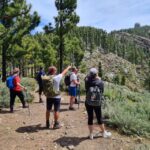
A max of 8 participants is one of the clearest reasons this tour feels worth it. In a big group, you get one quick look at the landmark and then everyone scrambles to keep up. Here, you can actually pause, ask questions, and stay with the plan.
Guides from Mogán Verde have a reputation for strong on-the-ground enthusiasm. Sofie is specifically mentioned in positive feedback, and Eulalia is also named in responses, which tells you there’s a team approach. In practical terms, that usually means you’ll get clearer explanations and a better sense of where to look while you hike.
The tour is offered in English, and you’ll also have a mobile ticket. That combination is helpful if you want the day to run smoothly without paperwork stress.
One more practical upside: pickup is offered. Meeting times are sent to you in a message with the exact timing, which is useful when you’re staying outside the main hubs. It also keeps you from wasting energy figuring out transport on a hike day.
Timing That Fits Real Travel: Wednesdays in Oct–May
This hike runs every Wednesday between October and May. That’s a limited schedule, so it’s smart to plan ahead. On average, the experience gets booked about 34 days in advance, which is your hint that popular dates may fill.
The start time is 9:00 am, and pickup details arrive by message after booking. You’ll likely want to set aside a full day in your mind. The duration is listed as about 7 hours, which typically includes walking time plus stops and time for photos and explanations.
If you hate rushing, this schedule is a good fit. If you only have a few days in Gran Canaria, you may have to work around a Wednesday slot. That’s the trade-off for a focused, smaller-group hike.
Price and Value: What $107.17 Buys You Here
At $107.17 per person for roughly 7 hours, this isn’t an ultra-budget hike—but it’s also not priced like a private guide. For the value, look at what’s included in the experience design:
- A guided route through major landmarks tied to the UNESCO sacred-mountain theme
- A maximum of 8 people, which supports a better experience on the trail
- Pickup offered and an English-speaking guide team (Sofie and Eulalia are part of what you’ll hear about)
- A structured route with specific stops, so you’re not trying to map your way between viewpoints
If you’re traveling with average hiking skills and want more than a basic viewpoint walk, this price can make sense. If you’re already set up with strong navigation skills and you don’t care about context, you might wonder what you’re paying for. But if you value explanations and a route that strings together the crater story, this is where the money tends to feel justified.
Weather and What to Do If It Turns
This excursion requires good weather. If it gets canceled because of poor conditions, you’ll be offered a different date or a full refund. That’s important because this route is about specific views and outdoor time, and weather can change fast in the mountains.
On your packing list, think layers plus a rain-ready option. Even if rain isn’t in the forecast, wind and temperature shifts can still change your comfort level on a longer day with a lot of open rock around viewpoints.
Who Should Book This Hike (and Who Might Skip It)
You’ll likely love this if you:
- Like Gran Canaria beyond beaches and want a real walking day in the interior
- Want a UNESCO-framed experience that explains why the places matter
- Prefer small groups where the guide can actually talk and you can pause for photos
- Are comfortable with a hike that includes a tough-feeling descent even though distance is modest
You might think twice if you:
- Have knee issues or struggle with downhill walking
- Want a very flexible schedule with daily departure options
- Only want flat, short walks where elevation doesn’t matter
Should You Book This UNESCO Sacred Mountains Hike?
My take: book it if you want a guided, culturally grounded hiking day that stays small, focused, and easy to follow. The combination of La Caldera de Tejeda’s sacred context, three iconic rock stops, and guides who are praised for enthusiasm (Sofie and Eulalia) makes it a strong choice for people who enjoy being taught while they walk.
If you’re sensitive to downhills, take it seriously—wear proper footwear, go slow on the descents, and consider poles. If you’re okay with that, this one is a worthwhile way to spend your time in Gran Canaria during the Wednesday window from October to May.
FAQ
What day of the week does the hike run?
It runs every Wednesday between October and May.
How long is the hike?
The duration is listed as about 7 hours.
How far do we walk, and how much elevation is involved?
The route is 7 km, with about 200 m ascent and 380 m descent.
Is pickup included, and what time does the tour start?
Pickup is offered. The hike starts at 9:00 am, and you’ll receive a message with the exact meeting time.
Is the tour offered in English, and what’s the group size?
Yes, it’s offered in English, and it has a maximum group size of 8 travelers.
What happens if weather is poor or I need to cancel?
The experience requires good weather. If it’s canceled due to poor weather, you’ll be offered a different date or a full refund. You can cancel up to 24 hours in advance for a full refund.