REVIEW · GRAN CANARIA
Gran Canaria: Winery Tour, Wine Museum, and Tasting
Book on GetYourGuide →Operated by Timonfaya Travel Lanzarote · Bookable on GetYourGuide
Wine has a smell you remember. I liked this tour for the family-run organic vineyard setting and for seeing how wine making evolved from old stone presses to a modern cellar, but there’s one small snag: the start can feel a bit unclear if you’re not paying attention to the exact meeting spot and timing.
I also really value that the guide experience is strong—many bookings single out Maria for clear English and friendly storytelling—so you’re not stuck reading labels while you sip. Just know it runs rain or shine, so plan for outdoor time even if the weather changes.
In This Review
- Key things to watch for
- A small winery with big “how it’s made” energy
- Price and value: why $34 feels fair here
- Where you meet and how to plan your arrival
- The vineyard walk: volcanic soil and endemic grapes
- The old stone lagares: a time machine you can stand in
- The wine museum: old machinery and how process changes
- Cellar smells and wooden casks
- Modern facilities vs. the past: what you’re really comparing
- The tasting: two wines, local cheese, and toasted bread
- Who this tour is best for (and who might skip it)
- Quick tips to make your visit smoother
- So, should you book it?
- FAQ
- How long is the Gran Canaria winery and wine museum tour?
- What does the tour cost?
- What is included in the tasting?
- Is there hotel pickup or drop-off?
- What language is the tour guide?
- Does the tour run in bad weather?
- Can I cancel or change my booking plans?
Key things to watch for
- A real farm tour at an organic estate that’s been in the family for generations
- The only wine museum in Gran Canaria, with old machinery to compare past and present
- Fermentation aromas and wooden casks when you enter the cellar
- Old-and-new wine making, from a 100-year-old stone lagares to today’s facilities
- Two-wine tasting with local cheese and toasted bread in a calm setting
A small winery with big “how it’s made” energy
Gran Canaria has plenty of places to drink wine. This one is different because it teaches you the stuff behind the glass. You’re not just tasting; you’re walking through the vineyard, stepping into a cellar built for aroma and aging, and then finishing in a tasting area where the flavors finally make sense.
The basics are straightforward: it’s a 1.5-hour guided experience at Bodega San Juan – Finca El Mocanal, and it costs $34 per person. That price includes the farm tour plus the tasting experience with snacks. For many visitors, that short duration is exactly why it works. You get a complete arc—vineyard to museum to tasting—without losing an entire afternoon.
If you like wine but you’re not trying to become a full-time oenology student, this is a good fit. The explanations focus on what the growers do and why. You’ll also get plenty of photo opportunities along the way, especially around the estate and vineyard views.
You can also read our reviews of more food & drink experiences in Gran Canaria
Price and value: why $34 feels fair here
At $34 for about 90 minutes, you’re paying for three things that are hard to get together elsewhere: a guided farm walk, entry into a wine museum, and a tasting that comes with food. The tour includes two wines plus local cheese and toasted bread, and it also lists snacks (cheese, toast and olives) as part of what’s provided.
That matters because many tastings charge extra for the “food part,” or they focus heavily on sales. Here, the food is paired with the tasting in a way that helps you actually taste the wine rather than just sample it quickly. And the museum stop isn’t an add-on hallway with a few photos—it’s built around old equipment, so you’re comparing old wine-making methods with what they do now.
One more value detail: this place is family-run and organic. When you’re visiting a working estate like this, your money supports hands-on viticulture, not just a showroom.
Where you meet and how to plan your arrival
This tour starts at Bodega San Juan – Finca El Mocanal. There’s no hotel pickup and drop-off, so you’ll need to handle your own way there and give yourself enough time to arrive before the tour begins.
Because the activity includes outdoor parts—vineyard walking and time at the estate—treat it like a short “go do the thing” excursion. If you’re juggling buses, transfers, or a late connection, build buffer time. One booking noted that the guide didn’t clearly explain the starting direction at first, and that improved later. So you’ll want to be ready at the meeting point, not hunting around once the group has moved.
Bring practical basics:
- Comfortable shoes (you’ll be walking on estate paths)
- Sun protection if the day is clear
- A light layer if it’s breezy, since it runs in rain or shine
The vineyard walk: volcanic soil and endemic grapes
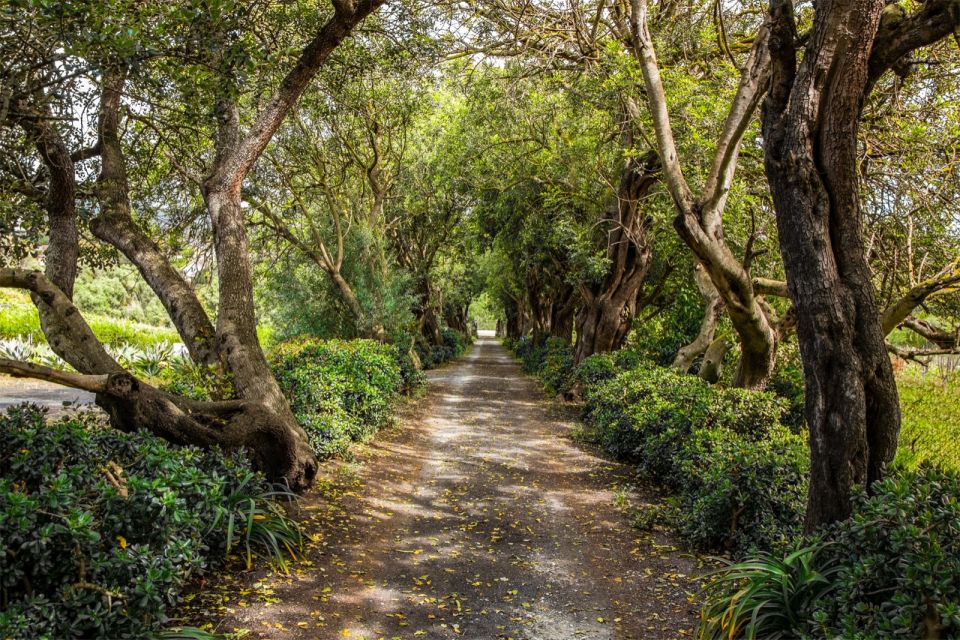
The tour begins with an estate-focused introduction—old photos, family history, and the way the vineyard supports the wine. The property is described as an organic winery dating back through five generations on the island. That “long view” is important. It’s not just that the buildings are old; the farming mindset has been passed down.
As you stroll through the vineyards, you’ll hear about:
- Endemic grape varieties
- The importance of volcanic soil
- How much work it takes to keep grapes in ideal condition
This part is where you start to understand why the wine tastes the way it does. Volcanic soil isn’t just a fun trivia point—it affects how the vine grows and how the grapes develop. And endemic varieties mean you’re tasting something you won’t always find on a standard international wine menu.
Also, you’ll get those “I can see why people photograph this” moments. Many bookings mention the scenery and photo opportunities. So if you like taking pictures, bring your camera and don’t rush. Spend a minute or two enjoying the view before you get moving again.
The old stone lagares: a time machine you can stand in
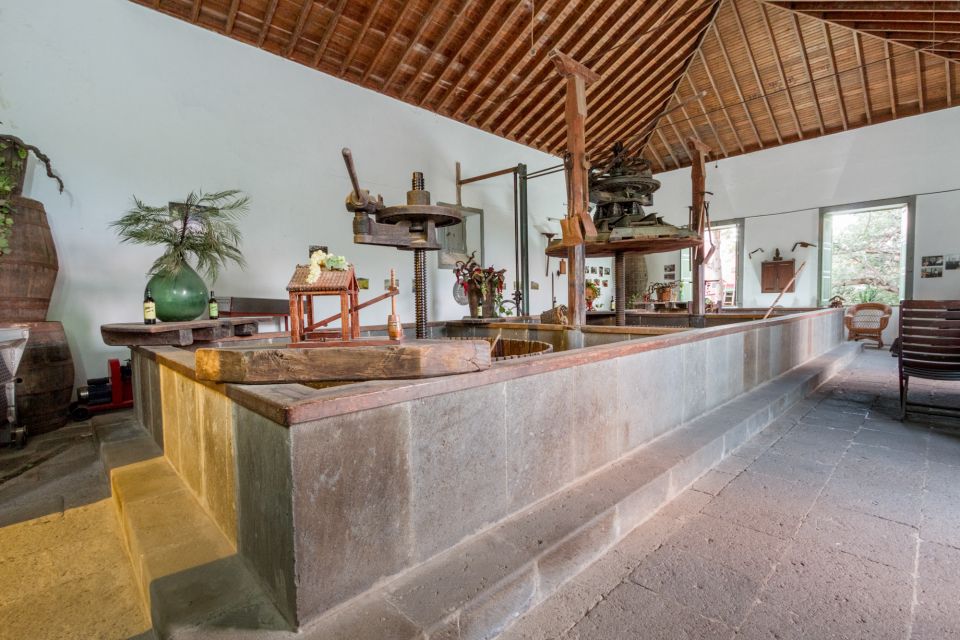
One of the most striking stops is the history you can physically see. The estate has a 100-year-old stone lagares, the kind of place where grapes were once trodden by foot.
Even if you don’t care about the technical names, it’s a strong emotional moment because it slows everything down. You go from “rolling vineyards” to a real piece of wine-making labor, in stone, from a different era. It’s also a great way to compare past and present without getting lost in theory.
I like this segment because it explains the “why” behind tradition. You’re shown what used to happen, then you can connect it to what they do now—rather than treating the past like a museum display behind glass.
You can also read our reviews of more museum experiences in Gran Canaria
The wine museum: old machinery and how process changes
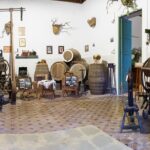
The tour also includes the island’s wine museum—described as the only one in Gran Canaria. The museum portion is built around old machinery, plus the story of how wine-making has evolved at this estate.
This is where the experience becomes more than scenery and sampling. You’ll compare old with new: what used to be done by hand or with older tools, and how the modern facilities handle today’s wine production.
I also appreciate that you get to see the structure of the process, not just the final result. If you’ve ever wondered why one wine tastes smoky, another tastes sharper, and another feels smoother, this kind of “from grape to bottle” explanation usually helps you connect flavors to real decisions in production.
Cellar smells and wooden casks
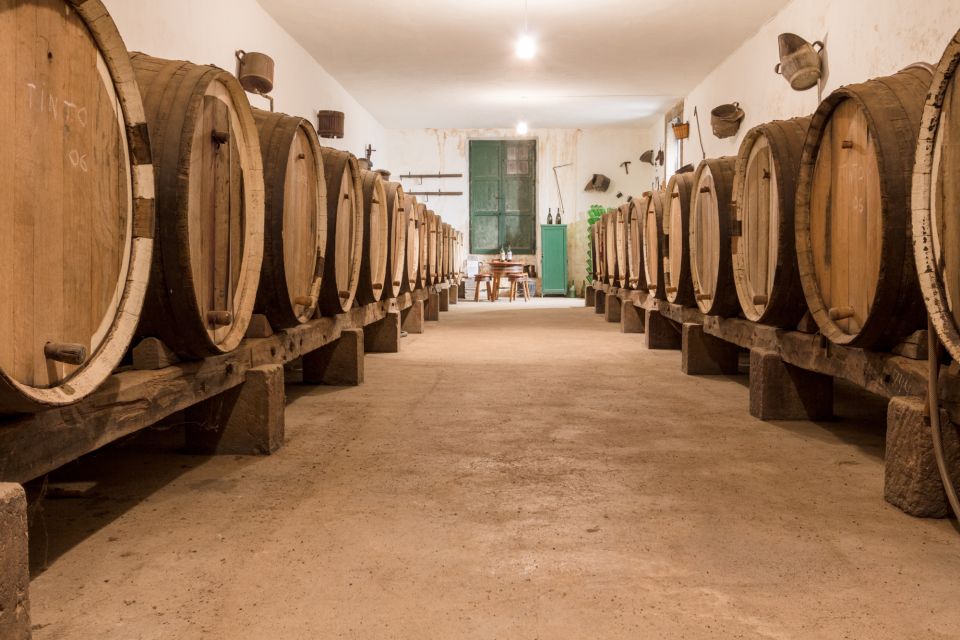
When you enter the cellar, the focus shifts from visuals to senses. You’re going to inhale the aromas of wines fermenting in wooden casks.
That smell is often the first moment people remember from a wine tour. It’s not about wine being fancy; it’s about fermentation being a living process. And it’s a nice contrast to the outdoor vineyard walking. One minute you’re in the sun and soil talk, the next you’re surrounded by the atmosphere of aging and transformation.
Don’t overthink it. Just take a quiet minute in the cellar area if the group pace allows. It can be a small pause that makes the tasting later feel more connected.
Modern facilities vs. the past: what you’re really comparing
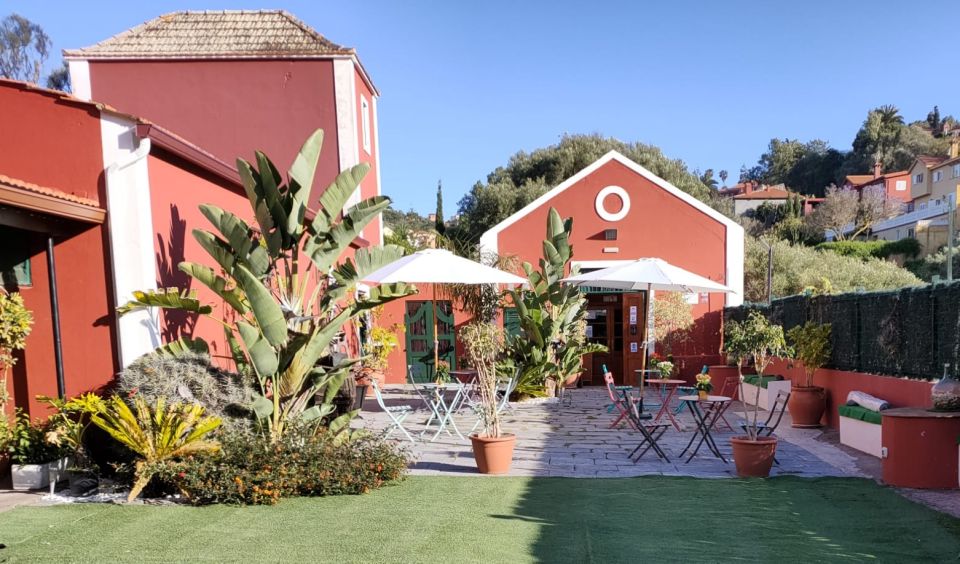
A clever part of this tour is how they organize the story. You’re not only seeing old items; you’re comparing the old methods to a modern facility. That comparison is where you get the real payoff.
Old tools and rooms help you understand:
- what used to be labor-intensive and manual
- why certain steps mattered even without today’s technology
The modern side helps you understand:
- what they kept from tradition
- what changed because of improvements in handling and production
This balance keeps the museum from feeling like pure nostalgia. It turns it into context for what ends up in your glass.
The tasting: two wines, local cheese, and toasted bread
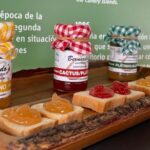
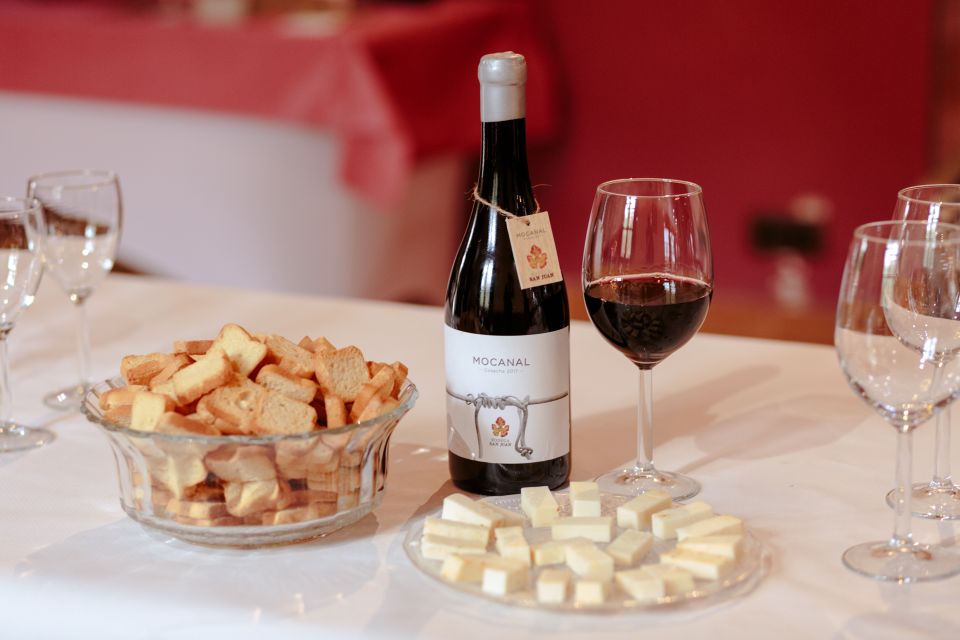
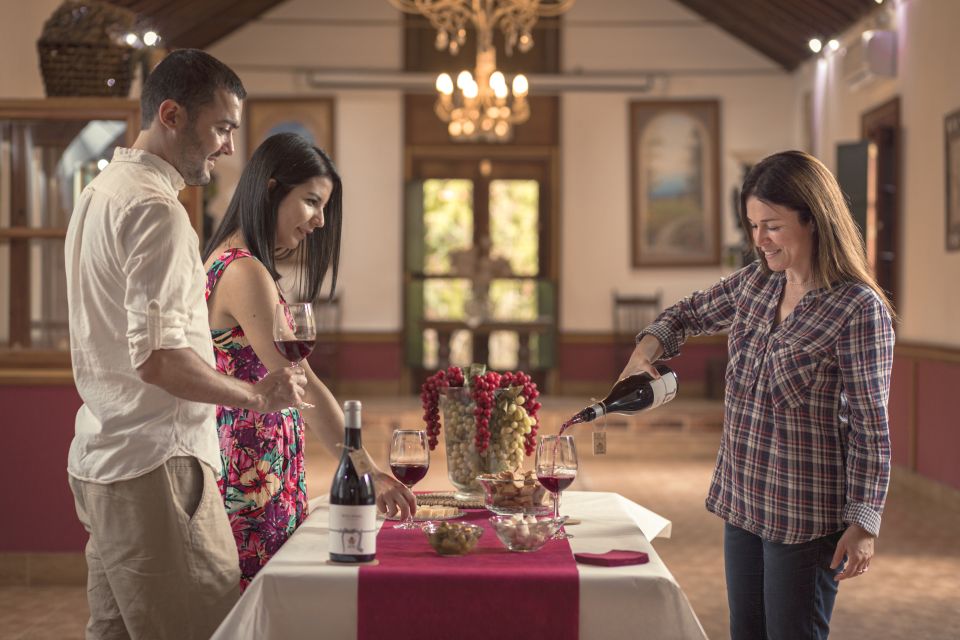
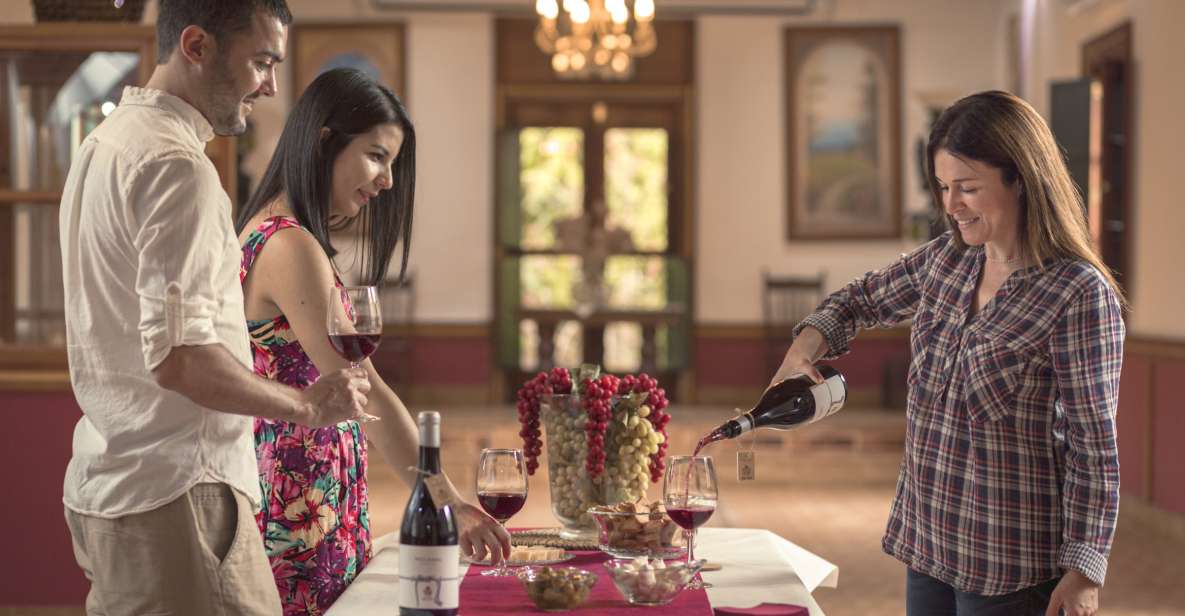
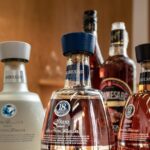
At the end, you reach the part most people come for: a guided tasting in the designated area. The tour includes two wines, served with Gran Canaria cheese and toasted bread.
In addition to that, the tour description includes snacks (cheese, toast and olives). Some bookings also describe tasting in a garden-like setting with butterflies floating around, which is the kind of detail that makes the experience feel calm rather than rushed.
Here’s how to get the most out of the tasting:
- Taste slowly enough to notice differences between the two wines
- Use the cheese and bread as palate anchors, not as random snacks
- Ask the guide what to look for first (acid, aroma, or flavor notes)
The guides are often very friendly and humorous. Maria is specifically mentioned in multiple bookings, and the consistent theme is that she connects history to the practical reality of making wine.
Also, you may have the chance to buy a bottle to take home. One booking notes that after tasting, they ended up purchasing wine. If you like the style you taste, don’t be shy about asking what’s available.
Who this tour is best for (and who might skip it)
This is a strong pick if:
- you want a wine experience with real background (vineyard, museum, cellar)
- you like family-run, organic places that don’t feel like a factory tour
- you’re comfortable doing a short, guided walk on an estate
- you want something that fits into a half-day schedule (since it’s just 1.5 hours)
You might consider skipping if:
- you hate any outdoor walking, even short distances
- you only want a super social tasting with zero history (this one talks a lot about grape varieties, volcanic soil, and production steps)
- you need hotel pickup, because this one does not include it
Quick tips to make your visit smoother
A few practical habits go a long way here:
- Arrive at the meeting point early and double-check you’re at Bodega San Juan – Finca El Mocanal.
- Dress for the weather since it runs rain or shine.
- If you’re someone who likes photos, plan a couple of relaxed minutes in the vineyard and around the estate buildings.
- If you care about a specific wine style, tell the guide before tasting so they can steer the conversation.
And if your group is small, lean in. One booking noted the tour was just two people, which can make the conversation feel extra personal. In that situation, it’s easy to ask follow-up questions.
So, should you book it?
I’d book this tour if you want a compact, high-value wine visit that teaches you how the wine is made. The $34 price isn’t just for drinking—it buys a guided walk, a working organic estate viewpoint, time in Gran Canaria’s wine museum, and a tasting with cheese and bread. The strongest selling points are the family history you can see in the estate and the way the tasting ties back to what you walked through.
If your top priority is a casual sip with zero walking and minimal explanation, you might feel like it’s too much. But if you’re the type who likes to understand what you’re tasting, this is one of the more satisfying ways to spend 90 minutes on the island.
FAQ
How long is the Gran Canaria winery and wine museum tour?
The tour lasts 1.5 hours.
What does the tour cost?
It costs $34 per person.
What is included in the tasting?
You’ll have a tasting of two wines, served with local cheese and toasted bread. Snacks include cheese, toast, and olives.
Is there hotel pickup or drop-off?
No. You meet at Bodega San Juan – Finca El Mocanal and arrange your own way there.
What language is the tour guide?
The host or greeter provides the tour in English.
Does the tour run in bad weather?
Yes. The tour takes place rain or shine.
Can I cancel or change my booking plans?
Free cancellation is available up to 24 hours in advance for a full refund, and there’s also a reserve now & pay later option.