REVIEW · GRAN CANARIA
Gran Canaria Tour: Past and Present
Book on GetYourGuide →Operated by First Minute Travel · Bookable on GetYourGuide
Gran Canaria changes fast—one bus ride. I like how this day turns the island into a clear story: Guayadeque cave life and the dramatic Roque Nublo stop make history feel physical, not textbook. You’ll also get the practical side of touring by bus, with viewpoints you’d be unlikely to string together on your own in a single day.
I also appreciate the guide touch—Tom (when he’s your guide) clearly knows how to keep a big group moving without losing the thread. The main downside is the pace: pickups and time in multiple towns can make the day feel a bit hectic, and if you’re sensitive to long bus stretches, plan for that.
In This Review
- Key Points You’ll Care About Before You Go
- A South-Coast Pickup That Quickly Gets You Off the Beach Strip
- Guayadeque Valley Caves: Volcanic Homes with Pre-Hispanic Roots
- Agüimes and the Aboriginal-to-Modern Connection
- Teror: Basilica of Our Lady of the Pine and Canarian Manor-Home Charm
- Las Medianías Mid-Mountain Travel: Arucas Bananas and the View-After-View Flow
- Valleseco Free Time: Stretch Your Legs and Handle Lunch Your Way
- Roque Nublo: Sacred Volcanic Symbol, Not Just a Photo Spot
- Aloe Vera Estate Visit: Practical Knowledge, Then You Decide What to Buy
- Fataga’s Valley of the Thousand Palms: The Return Route That Feels Like a Different World
- Price and Logistics: Is $58 Good Value for This Much Variety?
- The 2 Main Things to Watch
- Who This Tour Suits Best (and Who Should Skip It)
- Should You Book Gran Canaria: Past and Present?
- FAQ
- How long is the Gran Canaria Past and Present tour?
- Where does the pickup happen?
- What languages is the live guide available in?
- What’s included in the price?
- Is lunch included?
- What should I bring for the day?
- What if my plans change?
Key Points You’ll Care About Before You Go
- Guayadeque Valley cave dwellings: See a Natural Monument where cave homes were lived in from pre-Hispanic times.
- Teror, Vallesco, and Agüimes-area stops: Small towns with strong Canarian identity, not just quick photo stops.
- Panoramic Middle Mountain Region route: You’ll travel through Las Medianías, the midlands that shape daily island life.
- Roque Nublo’s sacred meaning: This volcanic rock is treated as a cultural landmark, not a random viewpoint.
- Fataga’s Valley of the Thousand Palms: A canyon-style return route with that “how is this real?” feel from the bus.
- Aloe vera estate visit: A stop dedicated to the plant and its uses, not just a shop window.
A South-Coast Pickup That Quickly Gets You Off the Beach Strip
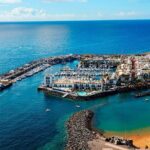
This tour is built for people staying in the south. Pickup covers Playa del Inglés, Maspalomas, Costa Meloneras, San Agustín, Bahía Feliz, Taurito, and Puerto Mogán. That’s convenient, but it also means your day can start with a little wandering around to collect everyone.
Once you’re aboard, the whole format makes sense: the island is steep, roads twist, and the “best bits” are spread out from coast to mid-mountains. A guided bus day is the low-stress way to do that spread in one go, especially if you don’t want to rent a car or figure out parking in historic towns.
The trade-off is time. You’re moving most of the day, not lounging. If you’re the type who wants a slow afternoon, you might feel the schedule tighten after lunch time, because the afternoon is still full of stops and viewpoints.
You can also read our reviews of more tours and experiences in Gran Canaria.

Guayadeque Valley Caves: Volcanic Homes with Pre-Hispanic Roots
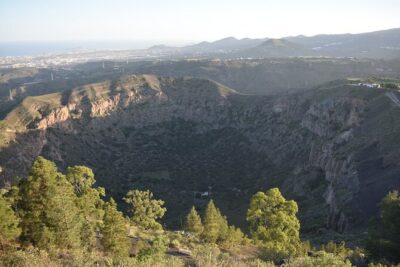
The day’s history heavyweight is the Guayadeque Valley. You’ll arrive at a protected area known as a Natural Monument, where cave dwellings have been inhabited since pre-Hispanic times. That matters because these aren’t just “old caves you look at.” The setting helps you picture how people lived when the island’s landscape wasn’t a scenic backdrop—it was housing, shelter, and a way to survive.
What I like about this stop is the contrast: caves carved into volcanic terrain, plus the sense that this place still has a living identity. Even without a long museum-style visit, the visuals do the heavy lifting. You get the island’s original rhythm—earth, stone, and adaptation—before the tour shifts to modern towns.
Practical tip: wear comfortable shoes. Some areas around cave dwellings and viewpoints can be uneven, and you’ll be happy you brought grip. Also bring a windbreaker. Canyons and higher points can feel cooler than the beach zone.
Agüimes and the Aboriginal-to-Modern Connection
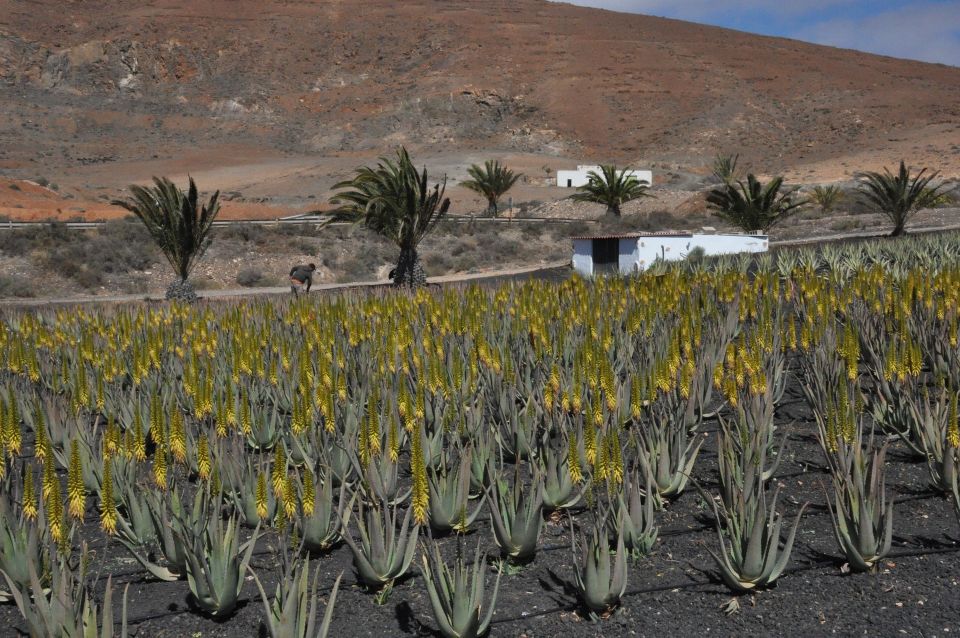
The route also ties in ancient settlement life with later Canarian culture. You’ll visit the Agüimes area and see how the island’s story stretches from indigenous roots into today’s towns and traditions.
Even if your Spanish is basic, the guide’s role is what makes this click. The point isn’t just where you go—it’s how you connect it. By the time you’re walking through towns later on, you’ll have a clearer sense of what was practical back then (caves, valleys, shelter) and what became symbolic later (architecture, landmarks, and sacred sites).
This is one reason the tour works for first-timers. You’re not only seeing pretty places—you’re learning how Gran Canaria got shaped.
Teror: Basilica of Our Lady of the Pine and Canarian Manor-Home Charm
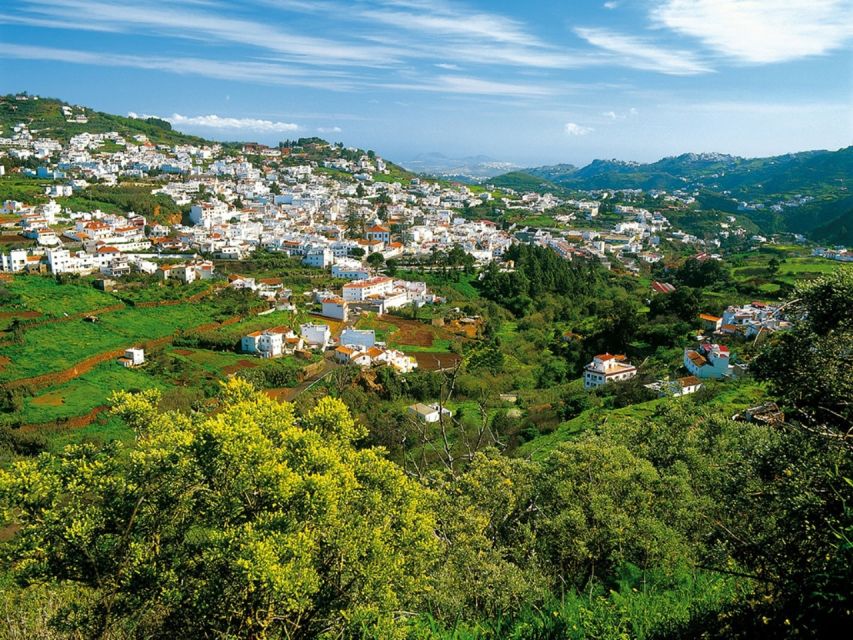
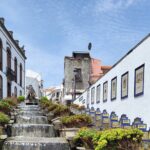
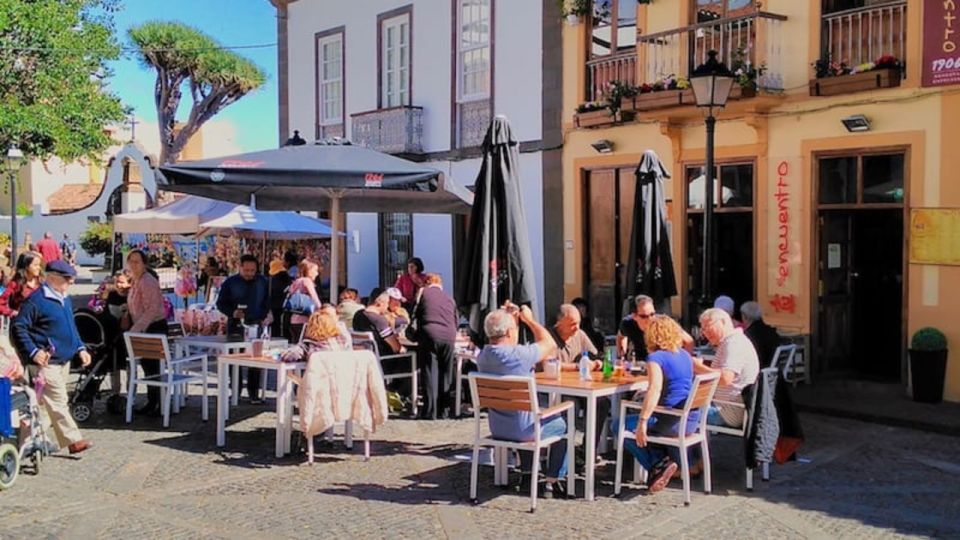
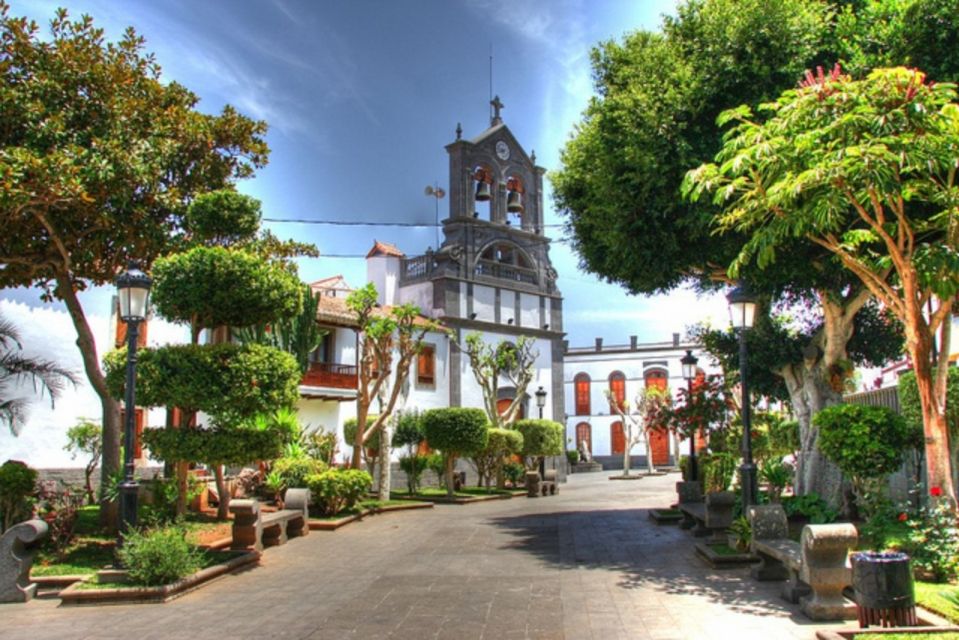
Teror is where the tour slows down just enough to feel like you’re in a real town. You’ll see the Basilica of Our Lady of the Pine, an imposing highlight, and you’ll also notice the elegant Canarian-style manor houses around the area.
What makes Teror a smart stop is the mix. The basilica gives you the public-spiritual side of island life, while the manor houses help you read the landscape like a lived-in place rather than an attraction. Even if you only have a short window, it’s enough time to walk a few blocks, grab a drink, and get a feel for the town’s pace.
One small caution: because the tour is busy overall, you won’t have hours and hours to linger. Plan to enjoy Teror in “walk-and-look” mode—rather than expecting a slow sit-down.
Las Medianías Mid-Mountain Travel: Arucas Bananas and the View-After-View Flow
The midlands travel is one of the strongest reasons to choose this tour. You’ll cross the region locals call Las Medianías (the midlands), a fertile agricultural and livestock area. That’s not just scenery; it explains why so much of Gran Canaria’s identity lives away from the coast.
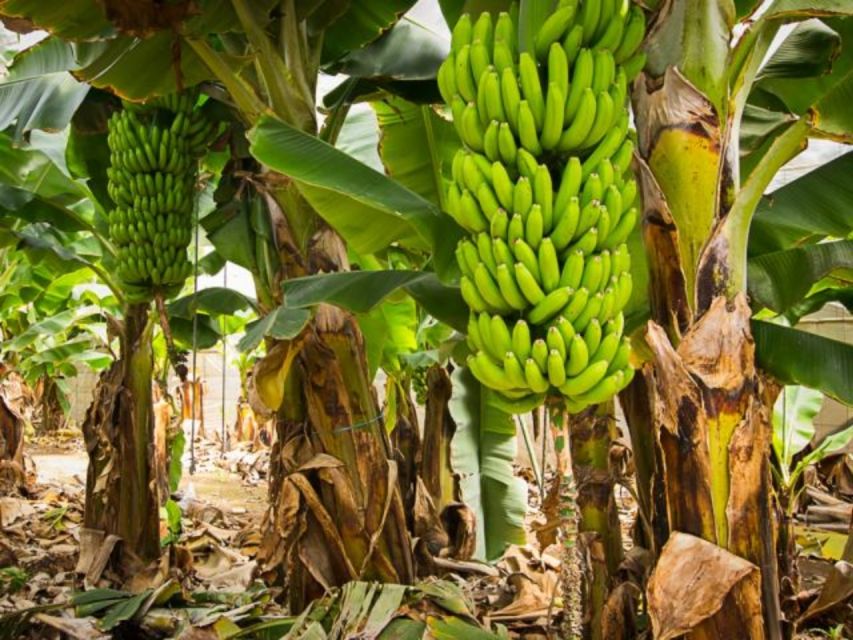
On the panoramic bus route, you’ll catch views that include banana plantations around Arucas. The bus ride matters here. From a vehicle, you get a layered view of how the island rises, changes texture, and shifts into higher terrain. You start to understand why towns like these exist where they do: water, soil, farming, and access.
And yes, the road itself is part of the experience. You’ll be on narrow stretches with big elevation changes at times, which is why a good bus driver really matters. A skilled driver keeps the ride smooth and confidence high—especially when you’re surrounded by steep drops and tight corners.


Valleseco Free Time: Stretch Your Legs and Handle Lunch Your Way
Valleseco (spelled Valleseco on the tour details) sits in a protected natural area, and the schedule gives you free time to stroll. This is a practical breather in the middle of a packed day.
Here’s how to use your time well:
- Walk at an easy pace first, so you can spot the best viewpoints and streets.
- Decide early how hungry you are, because you’ll want to be back on time for the next segment.
Lunch isn’t included. You’ll enjoy lunch on your own during the free time window. In practice, there can be lunch menus offered nearby around the mid-teens in euros, but your exact option depends on what’s open that day and where you choose to eat.
If you hate rushing, bring a backup plan: if you’re not sure what you’ll find, start moving toward lunch spots early in the free-time block. You don’t want a scramble with the clock ticking.
Roque Nublo: Sacred Volcanic Symbol, Not Just a Photo Spot
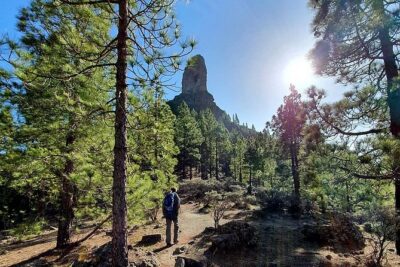
When the tour reaches Roque Nublo, you’re stepping into a cultural landmark with volcanic power and spiritual meaning. The rock formation is significant for ancient islanders and is also a present-day symbol of Gran Canaria.
I like this stop because the guide usually frames it in a way that makes the island feel older than modern tourism. You’re not just looking at a big rock—you’re being told what it meant, and that changes how you see it from the bus and at the viewpoints.
Timing matters: since the tour is only 8 hours total, you’re unlikely to get long walking time. Instead, you’ll get focused exposure to the site through viewpoint angles. Bring sun protection and expect variable wind, especially if the rock area is exposed.
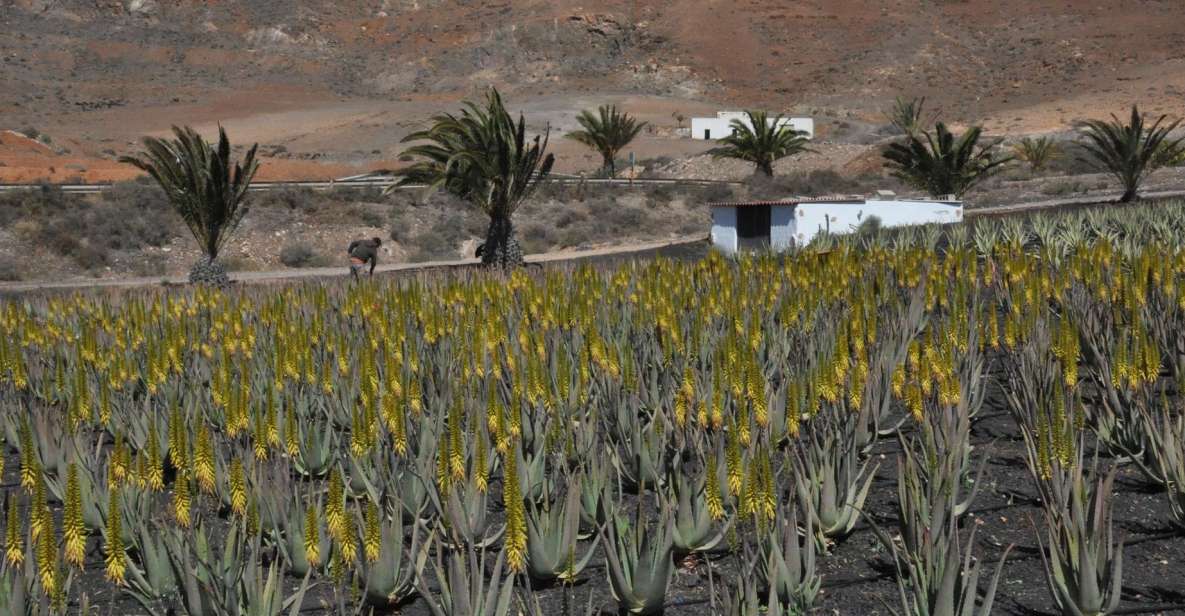
Aloe Vera Estate Visit: Practical Knowledge, Then You Decide What to Buy
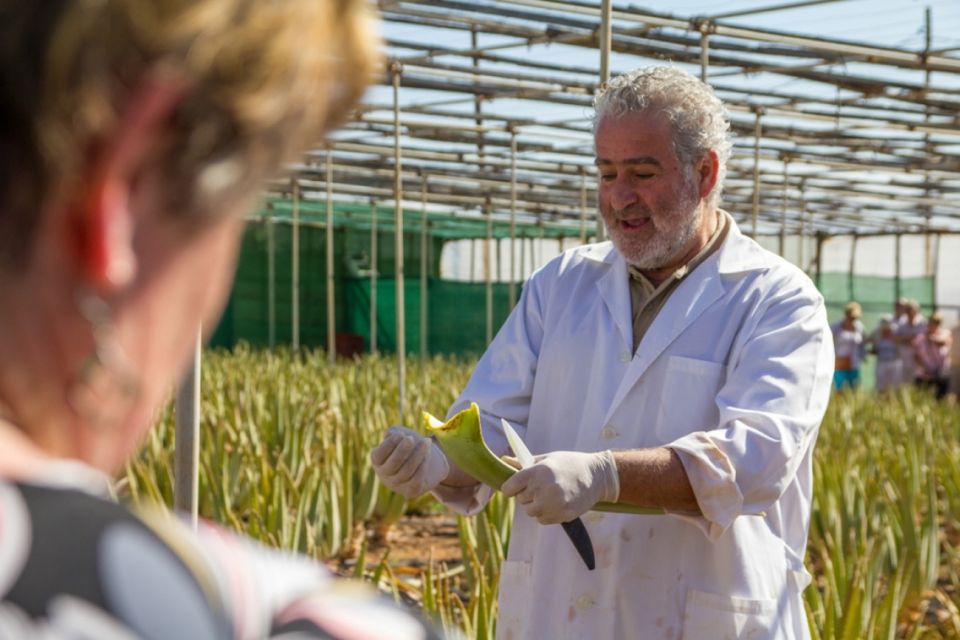
The tour includes a visit to an aloe vera estate. The goal here is not “look, shop, leave.” You’ll get a guided moment focused on the miraculous plant and its benefits.
Even if you’re not buying anything, it’s a useful stop because aloe is a big part of how people in the Canaries talk about home-grown solutions—skin care, wellness, and everyday uses. If you do want products, treat it like a learning stop first, and a shopping stop second. Ask questions if you can, and read labels carefully.
If your priority is pure sightseeing, know that this isn’t just a photo. It’s a themed visit that takes time out of the day, so it’s best suited for people who enjoy learning about local production.
Fataga’s Valley of the Thousand Palms: The Return Route That Feels Like a Different World
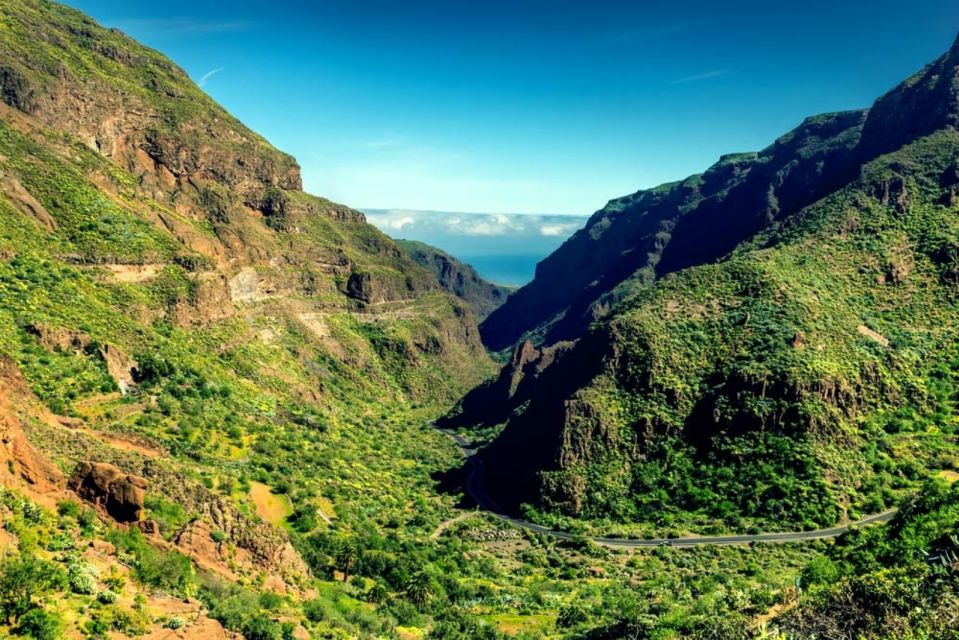
On the way back, you’ll pass through the Valley of the Thousand Palms (Fataga). This is one of those canyon-like routes where the scenery keeps changing as you move. You’re returning by bus, but the area gives you a different mood than the mid-mountain agricultural stretches.
What helps here is the timing: by the time you’re on the return, you’ve already seen caves, towns, and volcanic symbolism. Fataga adds a softer, greener texture—palms, canyon shapes, and that sense that Gran Canaria doesn’t fit one single postcard.
It’s also a good reminder that the island is all about micro-climates. Even within one day, you can watch the environment change.
Price and Logistics: Is $58 Good Value for This Much Variety?
For $58 per person, you’re paying for a full-day, guided bus tour with multiple scenic and cultural stops, plus a cave valley experience, a Roque Nublo area stop, and an aloe vera estate visit. Lunch and drinks are not included, and that’s an important piece of the math.
So the value depends on what you would otherwise pay and how you’d get around:
- If you’d rent a car and still need guided context for the caves and cultural points, $58 starts looking like a bargain.
- If you’re only interested in one or two stops and you hate bus time, it may feel pricey compared to doing those sights on your own.
A balanced way to think about it: this tour is for people who want a lot of variety and don’t want to plan logistics. You’re buying convenience and interpretation, not just transportation.
The 2 Main Things to Watch
- The day can feel busy. Multiple towns plus panoramic roads means you’re moving often.
- Your timing depends on pickup order. If you’re picked up early and dropped off late, the bus portion can stretch longer than you expect.
Also note the language dynamic. The tour operates in Spanish, English, and German with a live guide. In one case, a guide switched between German and English in a way that made it harder to follow. If you’re very language-sensitive, choose the departure that best matches your preferred language and go in ready to focus on the big-picture storytelling.
Who This Tour Suits Best (and Who Should Skip It)
This is a strong fit if you want:
- An overview of Gran Canaria beyond the beach zone
- A guide-driven day that connects indigenous history to modern town culture
- Viewpoints you can’t easily stitch together without a car
- A mix of nature stops and cultural landmarks in one day
You might want to choose a different style of tour if:
- You hate long bus days or tight schedules
- You want lots of free time for independent exploration
- You’re traveling with someone who needs very predictable timing (because pickup routes and the sequence of stops can affect your return time)
Should You Book Gran Canaria: Past and Present?
I’d book this tour if your goal is to understand the island fast, with guided context and a route that spans coast-to-midlands-to-canyon return. It’s especially worth it for first-timers who want the caves, Roque Nublo symbolism, and a real town stop like Teror without juggling transportation.
Skip it or consider something slower if you’re sensitive to pace. This is a full-day experience where you trade leisurely time for variety—and the schedule can feel intense.
If you do book, make it easy on yourself: wear good shoes, bring a windbreaker, plan for lunch costs, and treat the afternoon like a sprint for sightseeing rather than a long relaxed wander.
FAQ
How long is the Gran Canaria Past and Present tour?
It lasts 8 hours.
Where does the pickup happen?
Pickup is offered from Playa del Inglés, Maspalomas, Costa Meloneras, San Agustín, Bahía Feliz, Taurito, and Puerto Mogán.
What languages is the live guide available in?
The tour has a live guide in Spanish, English, and German.
What’s included in the price?
You get pickup service, a professional tour guide, visits/stops including Guayadeque and its cave houses, Teror, the Roque Nublo area and Tunte, plus a visit to an aloe vera estate. There’s also leisure time in Valleseco.
Is lunch included?
No. Lunch and drinks are not included. You’ll have leisure time in Valleseco to eat on your own.
What should I bring for the day?
Bring comfortable shoes, a windbreaker, and comfortable clothes.
What if my plans change?
You can cancel up to 24 hours in advance for a full refund, and there’s a reserve now and pay later option.