REVIEW · GRAN CANARIA
Gran Canaria: Guided Via Ferrata Excursion
Book on GetYourGuide →Operated by Volaoo D-80 · Bookable on GetYourGuide
You come for the heights, then you feel the island up close. This Gran Canaria via ferrata pairs real adrenaline with professional safety in a small group, plus a suspension bridge and a swing inside a cave. What to watch: it’s physical, and you’ll want real closed-toe shoes and decent stamina.
I like how the guides keep it calm and controlled. In my eyes, the best part is that you don’t need prior climbing experience, because the team teaches you while keeping you clipped into safety lines the whole time. The second thing I love is the variety: chain steps, the monkey bridge, and that cave swing add way more than a typical vertical route.
If you’re looking for a lazy stroll, this isn’t that. It’s a short hike to the start and then sustained effort on the rock, with a few mentally spicy sections where your upper body strength gets involved.
In This Review
- Key things that make this via ferrata worth your time
- Via Ferrata in Gran Canaria: What You’re Actually Doing
- Meeting at Bahía Feliz: Don’t Follow the Wrong Hint
- The 4-Hour Plan: How the Time Really Feels
- Getting Kitted Up: Safety That Doesn’t Kill the Fun
- The Via Ferrata Route: Chain Steps, Crossing Moments, and Steel Lines
- Suspension Bridge and Monkey Bridge: Where Nerves Become Focus
- The Cave Swing: A Bonus Adventure Moment You’ll Remember
- Views and Local Stories From Your Guide
- Equipment, Water, and Photos: The Practical Stuff That Makes It Easier
- Price and Value: Is $82 a Fair Deal?
- What to Bring (So You Don’t Regret It at the Car Park)
- Who This Tour Suits Best (and Who Should Skip It)
- Tips to Make Your Via Ferrata Day Go Smoothly
- Should You Book This Gran Canaria Via Ferrata?
Key things that make this via ferrata worth your time
- Small group size (up to 8): you get coaching instead of being background noise.
- Beginner-friendly, no previous experience needed: safety instruction comes first.
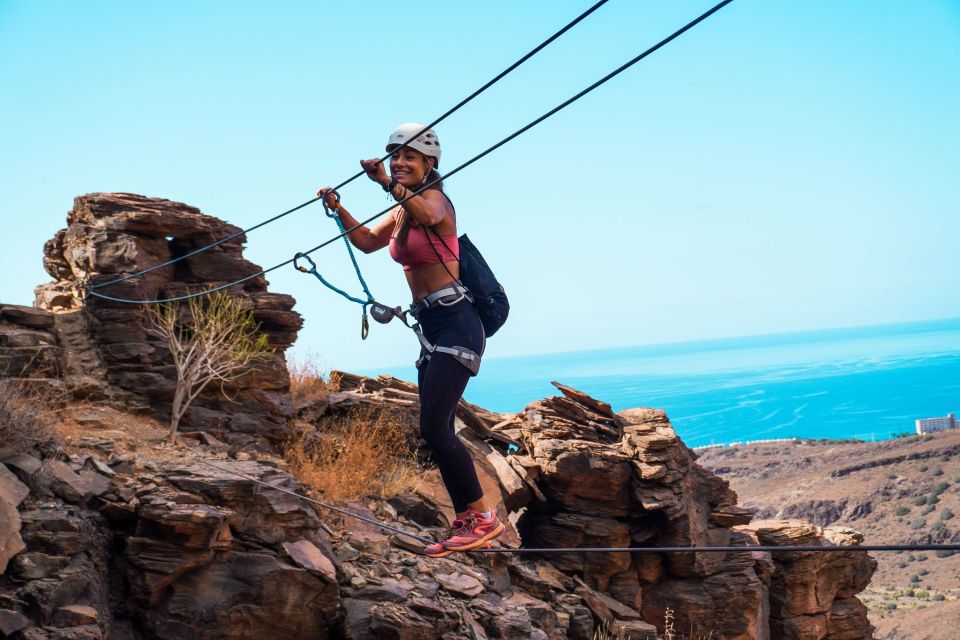
- Monkey bridge + suspension bridge: you’ll cross big gaps and feel it.
- Cave swing moment: it turns the tour from climbing-only into a mini adventure park.
- Pro photo report: they capture you on the route, not just at the start.
- Guides named Jose and Jorge (plus others): consistent emphasis on clear instruction and safety mindset.
Via Ferrata in Gran Canaria: What You’re Actually Doing
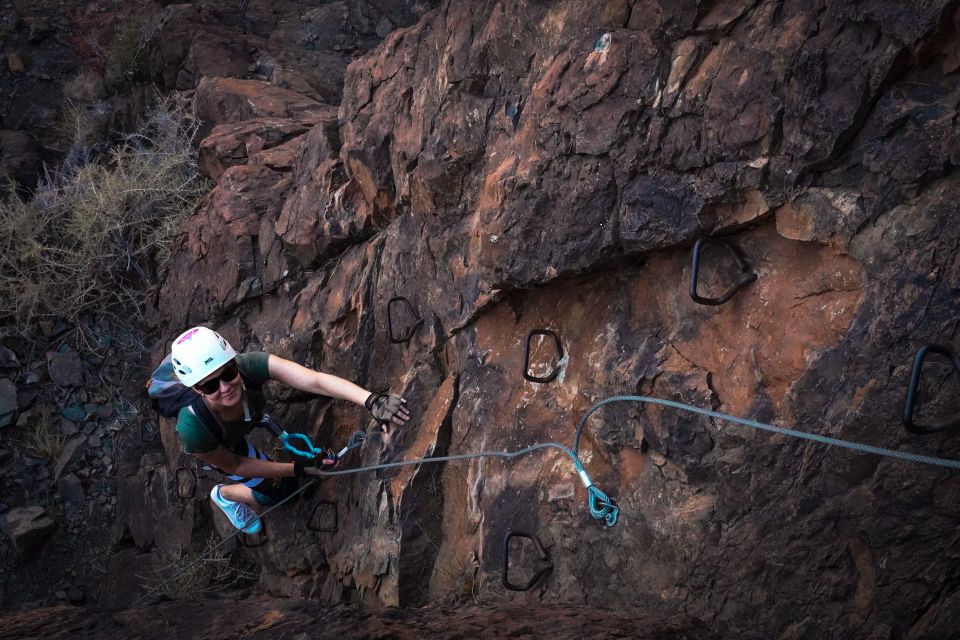
A via ferrata is basically a climbing route with fixed protection: metal elements on the wall, safety gear that keeps you secure, and a guide who manages the rhythm. Here, the fun isn’t just reaching the top. It’s moving along mixed terrain—vertical sections, more horizontal walking, and a few crossing moments where you feel your balance skills get tested.
This one is built as a full 4-hour adventure: hiking to the climbing area, getting kitted up, doing the via ferrata itself, and then finishing with more “wow” moments like a suspension crossing and a swing tucked inside a cave. In practice, that means you’re not just doing one trick. You’re doing a sequence.
Also, the guides bring local context into the climb. Based on the guides’ on-the-spot commentary, you can expect stories tied to Gran Canaria’s natural surroundings and local history as you move.
You can also read our reviews of more guided tours in Gran Canaria

Meeting at Bahía Feliz: Don’t Follow the Wrong Hint
Your meeting point is just behind the Bahía Feliz bus stop. You’ll recognize it because it’s a fairly large piece of land used as a parking lot.
A practical heads-up: the area can look a little underwhelming if you’re expecting a proper tour office. I recommend arriving a few minutes early, then follow the instructions to the land/parking area instead of assuming the first empty spot you see is the start.
You’ll also see it referenced as Parking actividad YUKAN at the beginning of the outing, and that fits with the same general meet-to-start flow.
The 4-Hour Plan: How the Time Really Feels
You’re out for about 4 hours total. The pace is structured: you meet, get briefed, walk in, climb, pause, and then return to the same pickup spot.
Here’s how it tends to feel on the ground:
- Early safety briefing and gear setup happen before the first big rock moments.
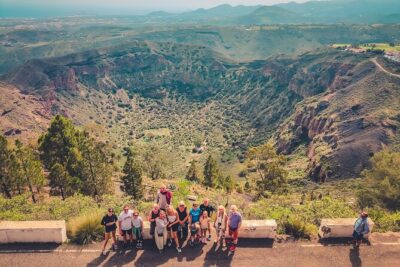
- You move to a viewpoint area where the day slows down for photo time and a guided explanation.
- After that, you shift into route time: the via ferrata crossing and the more exciting obstacles.
- You finish back at the parking area the same way you started, with the group together.
You’ll also get water and a snack, which matters more than you might think when you’re using your arms for gripping and bracing.
Getting Kitted Up: Safety That Doesn’t Kill the Fun
The activity includes all the specific material for the via ferrata, plus professional guides and collective first aid support. There’s also accident insurance in force, and that’s the kind of detail that makes a big difference when you’re doing something out of your normal comfort zone.
What I like about how this is set up is the human side: the reviews repeatedly highlight that guides such as Jose and Jorge take instruction seriously and adapt the route choices to the group. In plain terms, if you’re new, you won’t be tossed onto the hardest line and told to figure it out.
For your body, plan for a climb that involves more than leg endurance. Even when routes can be chosen with easier options, you’ll use your upper body for pulling, balancing, and staying steady on metal steps.
The Via Ferrata Route: Chain Steps, Crossing Moments, and Steel Lines
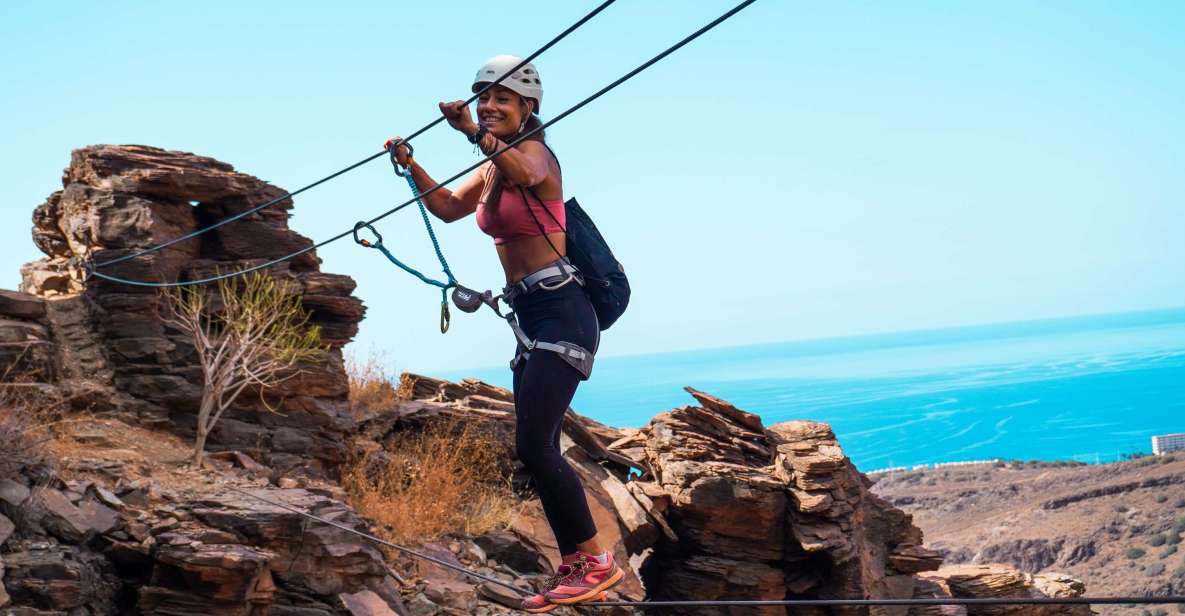
The via ferrata itself is where the tour earns its keep. You’ll work through a protected route that mixes climbing and horizontal movement—so it’s not a one-note scramble.
Expect to encounter:
- Chain steps and vertical sections that require focus more than raw strength
- Different route options, so the guide can steer you onto a line that matches your comfort level
- A consistent safety system, where you’re clipped in and guided on correct technique
Some descriptions point to routes around 300 meters high and mention tougher sections. You should assume there will be at least a few moments that feel intense, even if you’re physically fit. The biggest challenge is often mental: committing to the next move while looking out at open space.

Suspension Bridge and Monkey Bridge: Where Nerves Become Focus
A suspension bridge adds the kind of instability your feet notice right away. The good news is that your guide’s job is to manage the transition from climbing mode to crossing mode—so the moment you need to slow down, you can.
Then there’s the monkey bridge. That’s the part where your brain often goes quiet and you just concentrate on foot placement, handholds, and steady movement. Even if you aren’t a climber, this is a fun “I can do this” obstacle when you follow the guide’s cues.
If you get even a little anxious, it helps to remember that the guides repeatedly emphasize encouragement and calm instruction. You’re not expected to race. You’re expected to move correctly.
The Cave Swing: A Bonus Adventure Moment You’ll Remember
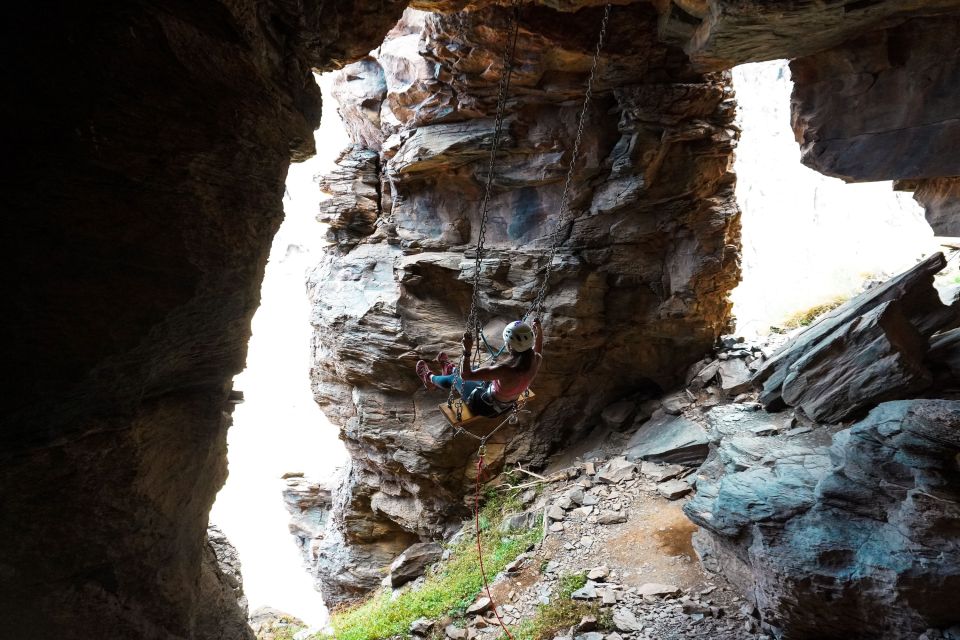
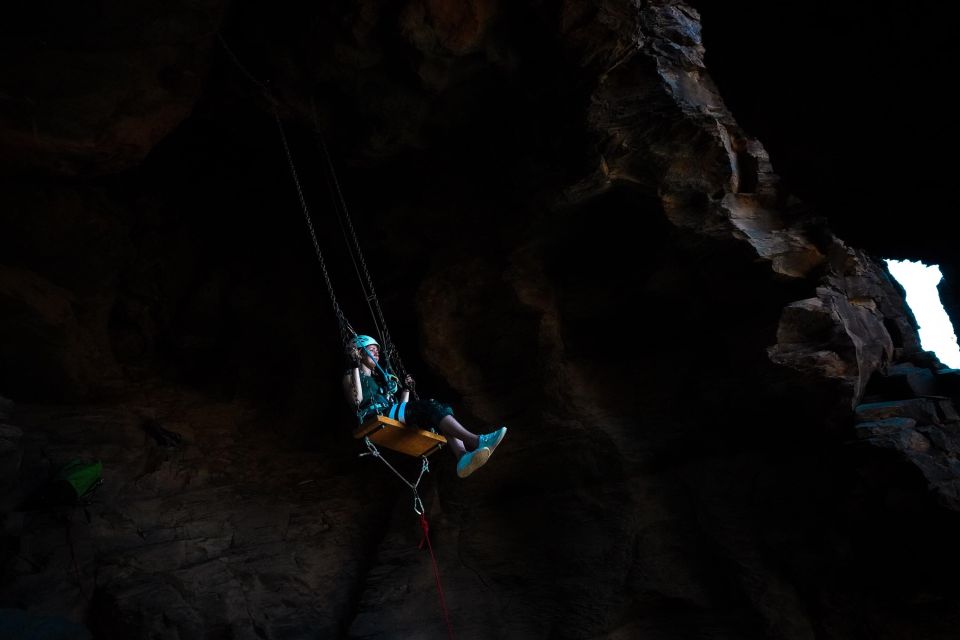
The cave swing is one of the standout perks. It’s not just a photo prop. It’s a moment that feels different from typical via ferrata footage.
What you should know ahead of time: you’ll likely transition from more technical climbing to a more playful obstacle. That can make the experience feel extra complete, like the day earned its fun, not just its challenge.
If you’re the kind of person who loves milestones, the swing is one of them. It’s a clear “we did it” feeling.
Views and Local Stories From Your Guide
This is one of those tours where the scenic payoff isn’t just at the top. You get scenic views on the way, and you also get viewpoint stops for photos and explanation.
Guides like Jose and Jorge are specifically described as sharing information about wildlife, plants, and local history while keeping the safety flow intact. That matters because it turns the route into more than cardio with metal equipment.
My advice: bring a moment of curiosity. When the guide points something out—plants, rocks, birds—listen. It adds meaning to the physical effort, and it makes the time pass faster.
Equipment, Water, and Photos: The Practical Stuff That Makes It Easier
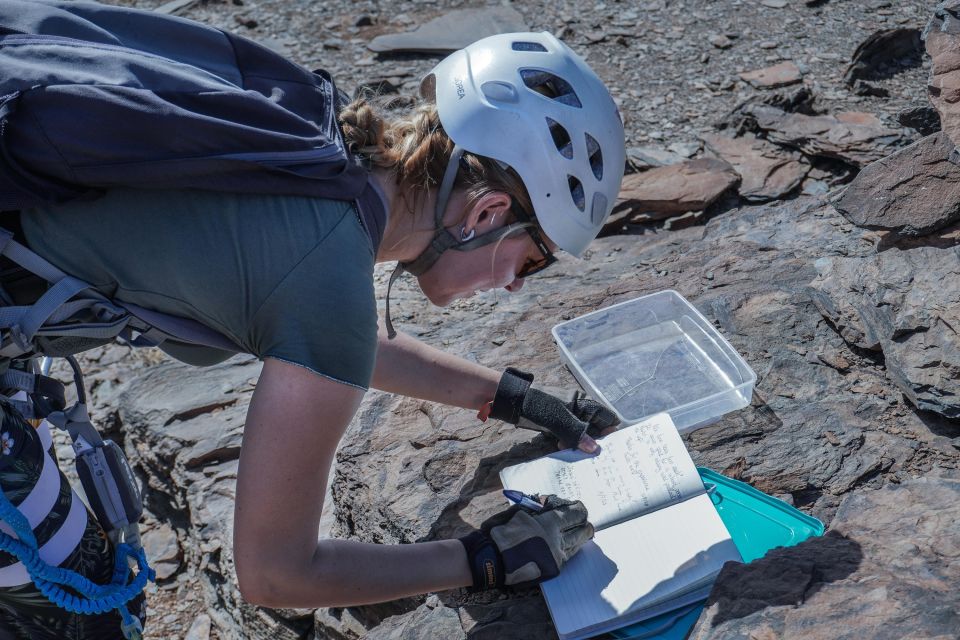
This tour includes:
- via ferrata gear/materials
- a collective first aid kit
- accident insurance in force
- individual bottle of water and a snack
- a professional photographic report
Two things in that list really help your day:
1) Water + snack: climbing effort ramps up faster than you expect.
2) Photo report: you don’t have to play “hold the camera and scramble.” They take photos and send them quickly afterward (based on multiple accounts).
In other words, you can focus on breathing and technique, not on documenting every shaky step.
Price and Value: Is $82 a Fair Deal?
At about $82 per person for a 4-hour guided via ferrata, you’re paying for three main things: (1) professional leadership, (2) safety gear and insurance, and (3) guided access to multiple obstacles.
If you compare this to doing anything similar unguided, the value jumps fast. Via ferrata gear plus instruction plus safety systems is not a casual DIY task. And since the group is limited to 8 participants, it’s not a big, rushed herd either.
Add the professional photo report and a snack/water pack, and the cost starts to feel more like “activity value” than “tour markup.” For many people, the big deciding factor will be the mix of obstacles—suspension bridge, monkey bridge, and the cave swing—inside one short day.
What to Bring (So You Don’t Regret It at the Car Park)
You should come ready for sun, wind, and rock contact. Bring:
- passport or ID card
- windbreaker
- sunglasses and sunscreen
- sports shoes (closed-toe)
- sportswear
- daypack
If you’re choosing between gear and comfort, pick comfort that still protects you: the route involves metal steps and climbing contact points, so footwear needs to grip and protect.
Also: don’t bring alcohol or drugs. And don’t litter—simple, but it’s part of the rules.
Who This Tour Suits Best (and Who Should Skip It)
This is for people who want active adventure and can handle a few mentally intense sections. No previous experience is needed, and guides can adapt the route difficulty.
It’s not suitable for:
- children under 12
- pregnant women
- people with back problems
- people with heart problems
- wheelchair users
- people with recent surgeries
- people with low level of fitness
- people over 309 lbs (140 kg)
- people over 70 years
My practical take: if you can walk uphill for about half an hour to reach the climbing area and you’re okay doing a workout using your arms and legs, you’ll likely enjoy it. If you’re unsure, treat “low fitness” as a hard stop.
Tips to Make Your Via Ferrata Day Go Smoothly
A few small choices can make the difference between a fun challenge and a miserable scramble:
- Wear the right shoes: closed-toe, grippy, and comfortable. Your feet matter on metal steps.
- Hydrate before you arrive: you’ll have water during the tour, but starting hydrated keeps you steady.
- Bring a windbreaker: coastal sun can shift fast, and wind is real in exposed spots.
- Trust the guide’s pace: guides like Jose and Jorge are praised for clear instructions and keeping you safe, so slow down when they ask.
- Plan for being sore: even first-timers mention that it’s a workout. Expect that and you’ll feel proud instead of surprised.
Should You Book This Gran Canaria Via Ferrata?
Book it if you want a 4-hour activity that gives you variety: hiking plus a via ferrata route plus big crossing obstacles, then a cave swing to close the loop. The small group size and the repeated emphasis on safety make it a strong choice if you’re new to climbing but eager to try.
Skip it if you want an easy day, have back or heart concerns, or you know your fitness level is low. Also think twice if heights and mental pressure stress you out—this route is doable for beginners, but it still asks you to commit to the next step.
If you’re in the sweet spot—curious, moderately fit, and ready to learn—this is one of the best ways to see Gran Canaria as something other than sun and sand.