REVIEW · GRAN CANARIA
Gran Canaria: Dolphin and Whale Watching Cruise
Book on GetYourGuide →Operated by Multiacuatic GC · Bookable on GetYourGuide
One engine. Two decks. Big ocean chances.
This dolphin and whale cruise along Gran Canaria’s southwest coast is built for you to see marine life in the wild, not in a tank. I like that you sail out far enough for real odds (their normal search range is 5–7 miles out to sea), and that you have a multilingual marine guide onboard who can help you actually pick out what you’re looking at. The main thing to plan for is simple: some trips will be more about searching than constant sightings, and the sea can be windy and chilly.
If you’re going with kids or you just want an easy, well-run outing, this has that feel. The catamaran is set up for comfort (two decks, modern build), soft drinks and water are included, and the crew stays focused on safety while you scan for cetaceans. The possible drawback is time pressure on the day: you’re dealing with hotel-area pickups and a bus transfer, so it helps to keep your expectations flexible.
In This Review
- Key Points Before You Go
- What Makes This Dolphin and Whale Cruise Work Off Gran Canaria
- Getting There: Pickup From the South and How the Day Actually Feels
- Multiacuatic GC: What the Catamaran Details Mean for Your Comfort
- The 2 Hours at Sea: How the Cruise Searches Faro Maspalomas to Veneguera
- What the Cetacean Guide Actually Helps You Do
- Besides Dolphins and Whales: Other Wildlife You May Spot
- Wind, Chilly Spray, and Sea-Sickness Reality Check
- Timing and Boat-Trip Flow: What Your Day Looks Like
- Price and Value: What You’re Getting for About $42
- Who This Cruise Is Best For (and Who Might Hesitate)
- Should You Book This Dolphin and Whale Cruise in Gran Canaria?
- FAQ
- Where does the cruise depart from?
- How long is the dolphin safari?
- What marine life are you searching for?
- How far out to sea do they search?
- Is there a guide onboard, and what languages are offered?
- What’s included in the ticket price?
- Is food or alcoholic drinks included?
- Do they offer hotel pickup and drop-off?
Key Points Before You Go
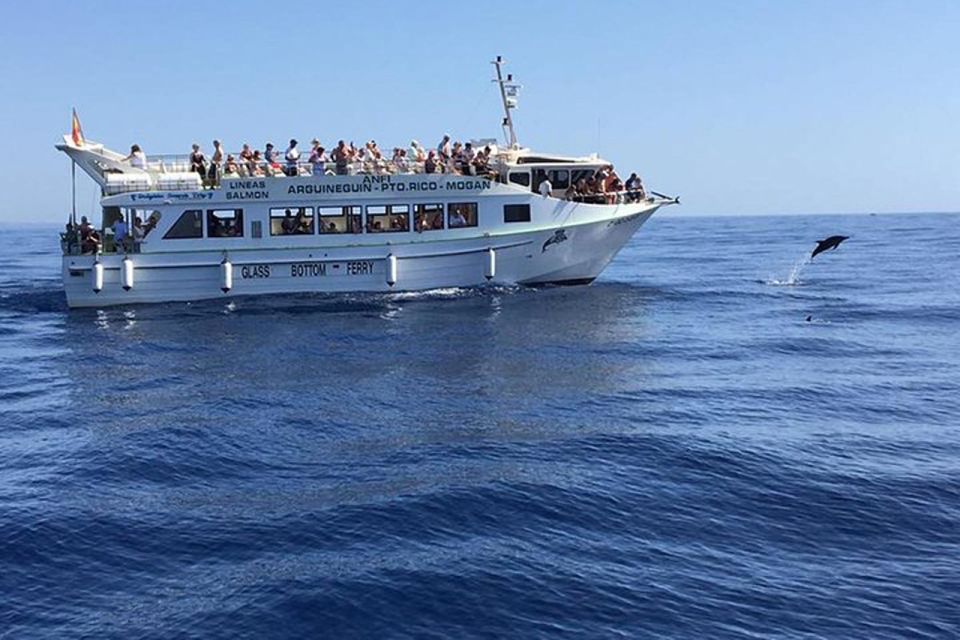
- 97% success rate for seeing dolphins and whales in the normal operating zone
- Multilingual marine guide onboard, with cetacean-focused spotting tips
- Modern catamaran (Multiacuatic GC) with two decks and a ramp for pushchairs
- Sailing the southwest coast search band from Faro Maspalomas to Veneguera
- Soft drinks and water included, snacks available to buy, alcohol not included
What Makes This Dolphin and Whale Cruise Work Off Gran Canaria
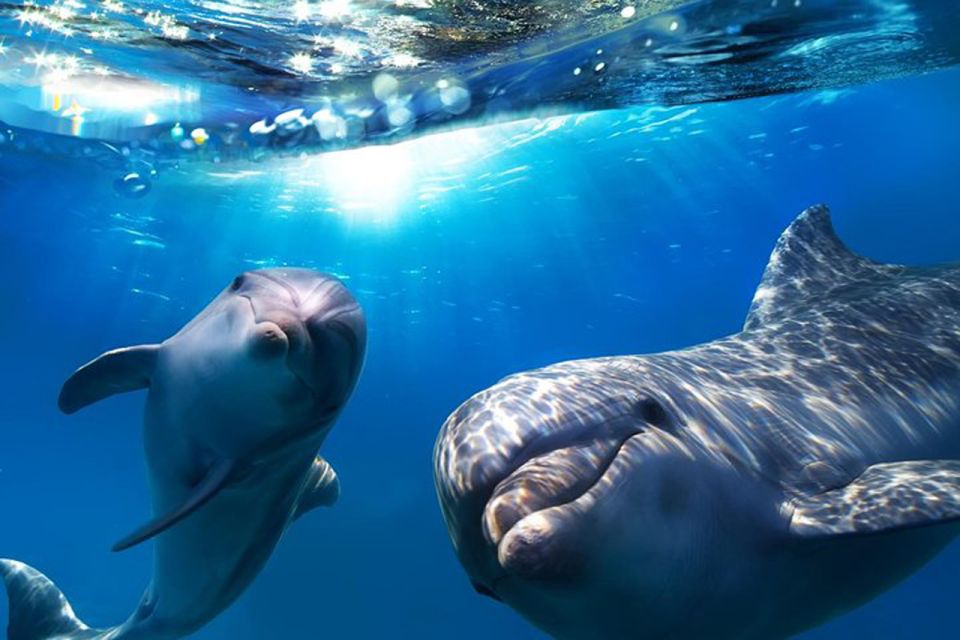
Gran Canaria’s southern coast has a way of turning a basic boat ride into something you’ll remember for years. This cruise is the kind of outing that works because it’s designed around where cetaceans tend to show up—plus it gives you the “eyes and ears” to find them faster.
The big plus for you is that you’re not just drifting out and hoping. The cruise runs within a set search range, about 5–7 miles out to sea between Faro Maspalomas and Veneguera. That matters because dolphins and whales aren’t random dots. They have patterns, and the guides know what to look for and where to focus your attention.
Another thing I like: the onboard guide is there for spotting, not just general commentary. You get marine knowledge in English and Spanish, and during sightings the cetacean specialist stays on the observation game. Even when visibility isn’t perfect, having a person who can explain behavior—direction of travel, surfacing rhythm, feeding cues—helps you feel less like you’re “looking at water” and more like you’re actually hunting with purpose.
The one consideration to keep in mind: wildlife trips come with variability. Even with a 97% success rate, you might have a calmer stretch where you’re mostly scanning, then suddenly things pop. If you’re the type who needs constant action every minute, this might feel slower than you want.
You can also read our reviews of more boat tours in Gran Canaria
Getting There: Pickup From the South and How the Day Actually Feels
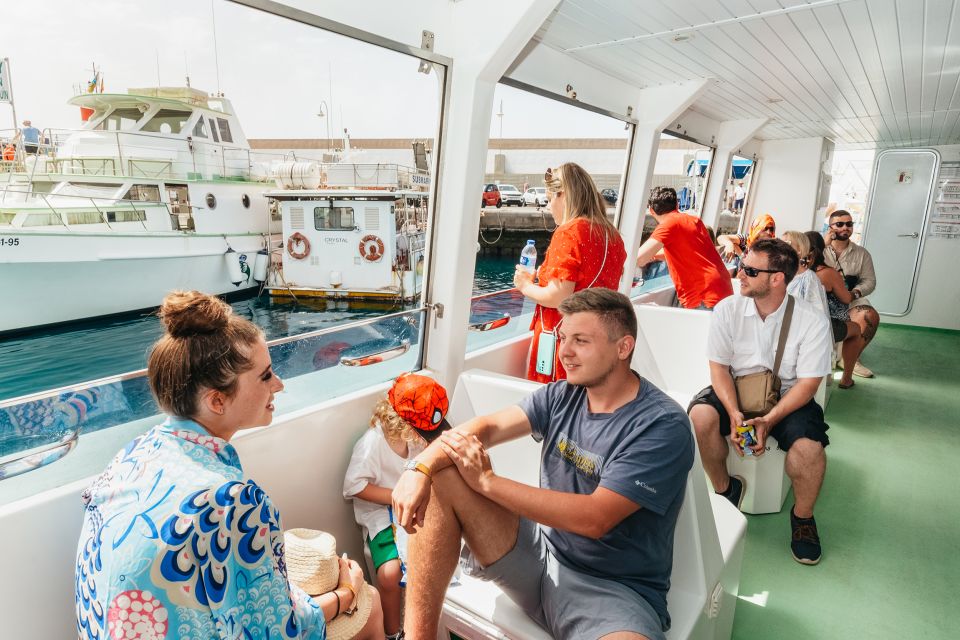
This cruise uses a mix of shuttle pickup and coach travel. You’ll be met by the guide on a bus at a pick-up point near your hotel in the south, and then you’ll transfer to the harbor in Puerto Rico.
A key practical detail: the scheduled coach time listed is about 80 minutes. That doesn’t mean you’ll be on the bus for exactly 80 minutes in every case, because pickup stops vary across the large south-area list. What you can do is plan your day with padding. Arrive ready to move—especially if you’re staying near the busy hotel zones where pickup waves can take time.
When you return, you’re transported back to your hotel area as well. That’s a real value for you. You don’t have to figure out taxis, parking, or timing the harbor on your own.
Multiacuatic GC: What the Catamaran Details Mean for Your Comfort
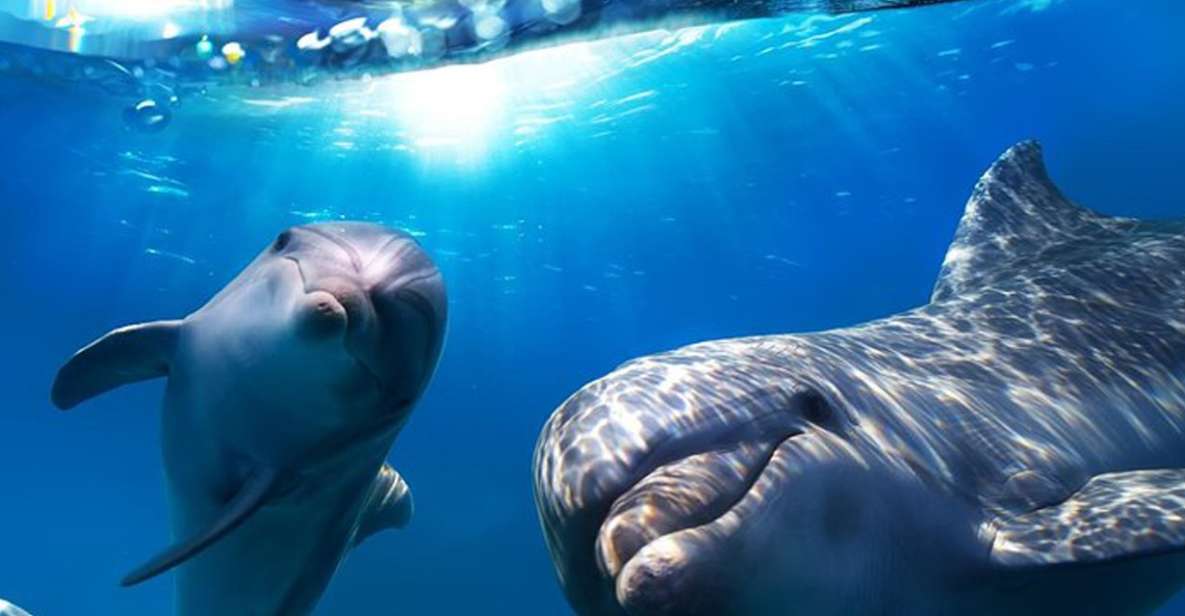
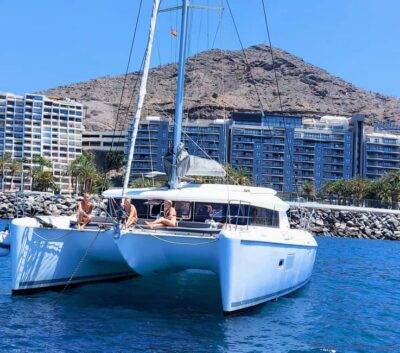
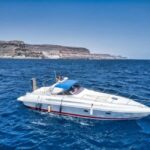
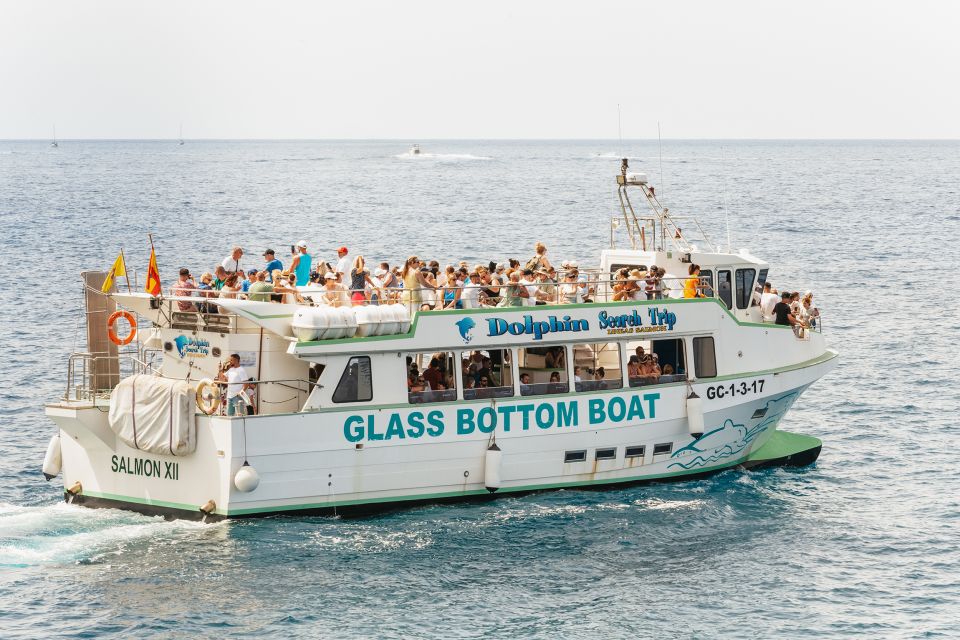
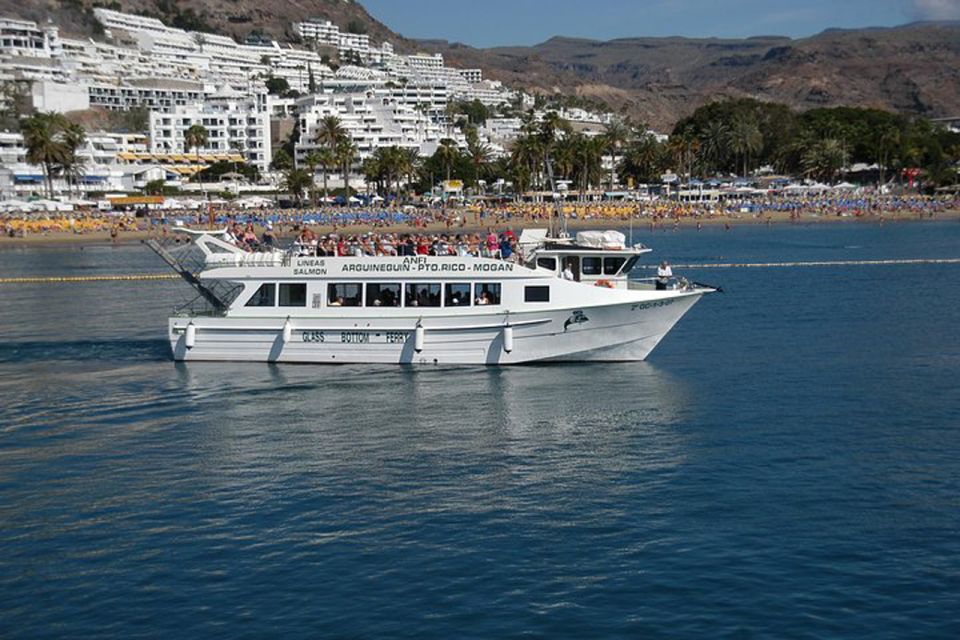
You’re sailing on Multiacuatic GC, a catamaran built in 2005. It’s 52 feet long and 20 feet wide, and it runs on two decks. For you, that matters because it’s easier to spread out during active spotting—people can shift to the best viewing side without everyone being jammed shoulder-to-shoulder.
There’s also an access ramp available if needed for pushchairs. That’s helpful if you’re traveling with a stroller or someone who benefits from an easier boarding route.
Most importantly, catamarans tend to feel more stable than smaller boats. That doesn’t remove every bit of motion—this is still open ocean—but the design and crew procedures generally make for a smoother ride. You should still take sea conditions seriously (more on that below), because wind can create chop and that’s when some people feel it.
The 2 Hours at Sea: How the Cruise Searches Faro Maspalomas to Veneguera
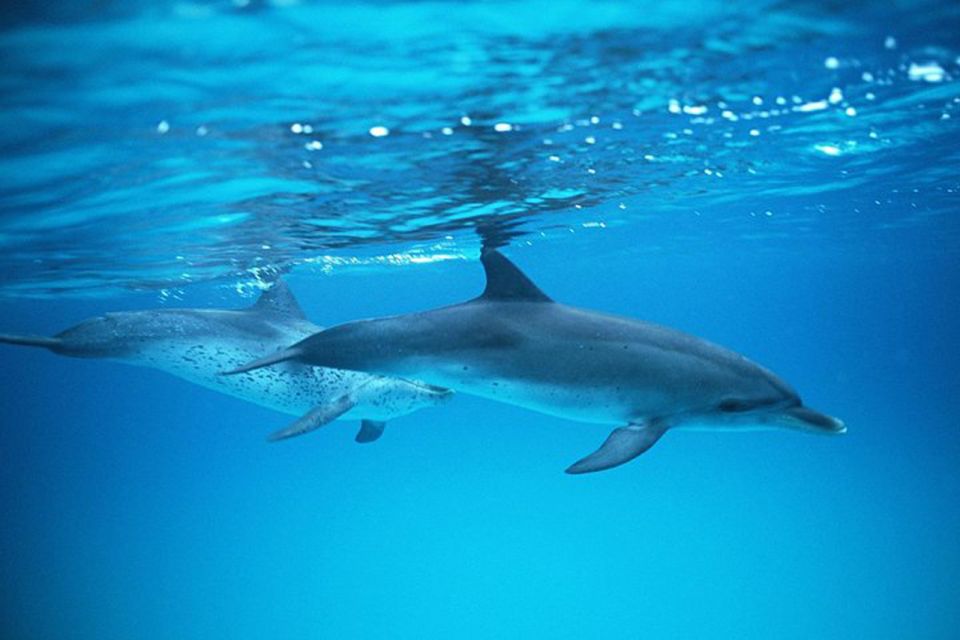
The core experience is the dolphin safari time—typically around two hours on the water. The cruise departs from Puerto Rico de Gran Canaria, then heads along the southwest coast while searching for dolphins and whales.
Their normal search band is 5–7 miles out to sea, stretching from Faro Maspalomas to Veneguera. That’s a useful anchor for your expectations. You’re not just leaving the harbor and turning back after a quick loop. The boat covers a meaningful area within that corridor to improve the chances of sightings.
During the search, you’ll have the crew ready for safety and comfort, and you’ll use the guide’s tips to scan efficiently. When sightings start, it turns into an organized game of “where’s the blow, which direction, and how fast.” That’s exactly what you want—less wandering, more focused observation.
What the Cetacean Guide Actually Helps You Do
You might think the guide is there to tell you general facts. In practice, the guide’s job is spotting and interpreting behavior. The cruise includes a cetacean-specialized observation guide, and they share factual info on what you might encounter.
From your perspective, this is the difference between seeing a dolphin and truly noticing a dolphin. You’re more likely to catch:
- the moment a pod surfaces together
- the pattern of movement after surfacing
- how to track a whale sighting (when it happens) without chasing blindly
They also mention other marine life that can appear during the route, like turtles and flying fish. That means even if cetaceans aren’t constant, the trip can still feel alive and varied.
One more practical point: this is a guided marine life cruise, and the guide’s presence is part of the value, not an extra. If you want the best chance of understanding what you’re seeing in real time, pay attention to the spotting instructions and don’t wait until you think you already missed it.
You can also read our reviews of more whale watching tours in Gran Canaria

Besides Dolphins and Whales: Other Wildlife You May Spot
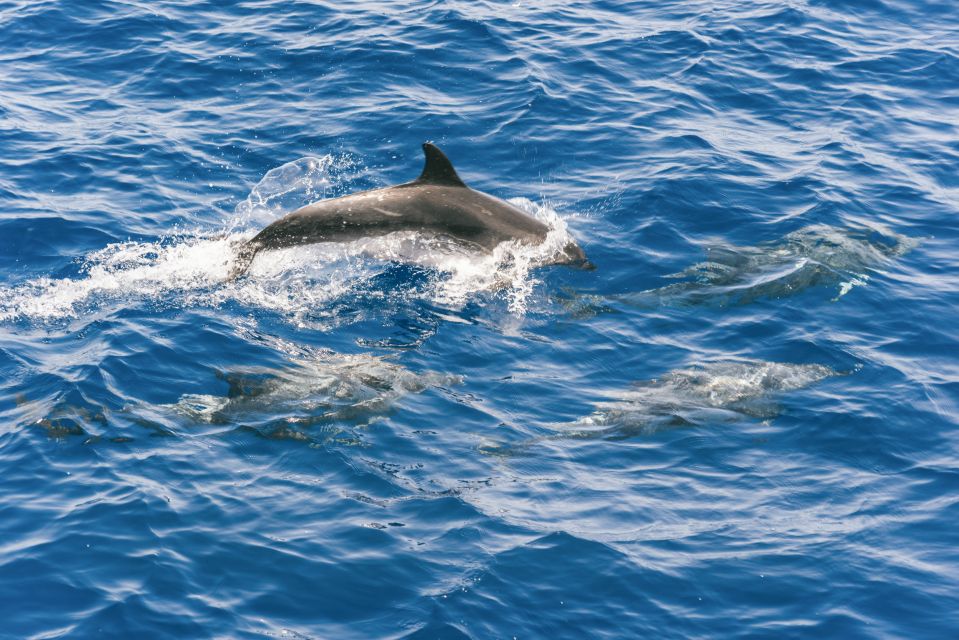
Even though the star show is cetaceans, this route can produce bonus sightings. The information provided includes potential encounters like:
- turtles
- flying fish
And from the pattern of successful trips, you may also get other “look to your left, now to your right” moments—brief surface activity, quick bursts of movement, and sometimes birds following the boat. Wildlife doesn’t always line up for a long, dramatic finale. But that’s also the thrill: marine animals don’t follow a schedule for you.
If your priority is dolphins and whales only, you’re still in the right place because their stated success rate is 97%. But if you’re the type who enjoys variety—small moments, unexpected sightings—this cruise can still deliver even when the main event is short.
Wind, Chilly Spray, and Sea-Sickness Reality Check
You’ll want to dress like you’re going to be on a moving deck in coastal wind, not like you’re going to the beach. The cruise recommends bringing:
- sun cream
- a hat
- a jumper
That jumper is your best friend. Even in warm climates, sea air can turn cooler fast once you’re out moving and exposed. Also, wind tends to pick up when you’re offshore.
One more honest note: a few people reported nausea when the sea got choppy. You don’t need to panic, but do take it seriously. If you’re prone to motion sickness, consider bringing your usual remedy and plan for the fact that you’ll be watching the horizon and scanning frequently—screen-gazing can make motion feel worse for some people.
Timing and Boat-Trip Flow: What Your Day Looks Like
Here’s the rhythm you should expect, in plain terms.
First, you’ll do a pickup near your hotel and get transferred to the harbor. Then you set sail and spend about two hours searching the route.
Back on land, you’re transported back to your hotel area. In other words, you’re not doing a half-day expedition where you sit for hours waiting for the boat to come back. You’re going out, actively searching, and then returning—simple, not complicated.
That said, your door-to-door experience depends on pickup location and the timing of the coach loop. For the best experience, schedule the rest of your day loosely. You’ll come back tired in a good way, and you may need a snack and a shower before you feel normal again.
Price and Value: What You’re Getting for About $42
At around $42 per person for the dolphin safari (about two hours on the water), the value comes from three things working together:
1) Odds backed by their success rate
They state 97% success for seeing dolphins and whales. That doesn’t mean every sighting is guaranteed to be perfect or close, but it does mean you’re booking a service built to operate in the right zone and keep searching.
2) A guide who helps you see more
A multilingual marine guide onboard (English and Spanish) isn’t just “nice to have.” It directly improves your odds of actually spotting what’s there and understanding it while it happens.
3) Comfort extras
Soft drinks and water are included. Snacks are available for purchase from the bar, and you can keep your hydration handled without extra fuss. Alcohol isn’t included, so if that’s part of your vibe, plan on buying separately.
If you compare this to boat trips where you get minimal guidance and no included drinks, the structure here feels more complete. The main reason it might feel pricey is if you end up with rough timing in pickup or if you’re on a day where the sightings are brief. That’s the wildlife side of the equation.
Who This Cruise Is Best For (and Who Might Hesitate)
This is a strong fit for:
- families who want a straightforward, two-deck boat outing with guidance
- nature-minded travelers who enjoy learning how to spot wildlife
- people staying in the south who want hotel-area pickup and don’t want to manage harbor logistics
It might be less satisfying if:
- you can’t handle wind/chop (or you’ve had bad motion sickness before)
- you expect non-stop dolphin “show time” for the full two hours
But even in those cases, you can still have a great time if you come with the right expectations: your goal is wildlife sightings, not a scripted performance.
Should You Book This Dolphin and Whale Cruise in Gran Canaria?
Yes, I’d book it if dolphins and whales are on your must-do list and you’re staying in the south. The combination of structured search range, marine guide support, and a stated 97% success rate makes it a practical way to spend a couple of hours at sea.
Book it even more confidently if you’re the type who likes to learn while you watch—because the guide’s spotting help is part of what makes the experience feel “worth it,” not just lucky.
Just do one thing: pack for the deck. A hat and jumper will make you more comfortable, and bringing your sea-sickness plan if you need it will help you enjoy the whole ride.
If you want, tell me your month of travel and where you’re staying (area or hotel name). I can suggest what to wear and what time-of-day mood to expect for the southwest coast sailing.
FAQ
Where does the cruise depart from?
It departs from Puerto Rico de Gran Canaria and sails along the southwest coast.
How long is the dolphin safari?
The dolphin safari typically lasts around two hours.
What marine life are you searching for?
The main goal is seeing dolphins and whales. You might also spot other marine life such as turtles and flying fish.
How far out to sea do they search?
Their normal search range is about 5–7 miles out to sea, between Faro Maspalomas and Veneguera.
Is there a guide onboard, and what languages are offered?
Yes. There is a live guide onboard, with languages listed as English and Spanish.
What’s included in the ticket price?
Soft drinks and water are included, along with the guided marine life cruise and pickup/drop-off services from the south of Gran Canaria.
Is food or alcoholic drinks included?
Alcoholic drinks are not included, and food is not included. Snacks can be purchased from the bar.
Do they offer hotel pickup and drop-off?
Yes, pickup/drop-off services are available from the south of Gran Canaria, using pick-up points near your hotel.