REVIEW · GRAN CANARIA
Gran Canaria: Canyoning in the rainforest
Book on GetYourGuide →Operated by Volaoo D-80 · Bookable on GetYourGuide
Canyoning in the rainforest is not a sit-and-watch activity. On Gran Canaria, you’ll be working your way through canyon walls, jumping in where you can, and descending waterfalls with a team of pros keeping you safe, focused, and moving. I especially like the hands-on instruction and the fact you get waterfall time instead of just a scenic walk, plus the small group size makes it feel personal.
Two more things I love: the setting is truly wild (jungle canyon energy), and the guides talk you through what to do so you know what’s coming before you commit. Jorge, the guide named in one review, is praised for keeping people calm and secure. One consideration: you do need a good fitness level and you should expect a mountain hike and wet, slippery surfaces.
In This Review
- Key things I’d watch before you go
- Where this canyoning trip actually takes place
- The hike-to-viewpoint warm-up (Stop 2)
- Safety and gear: what the pros are really doing
- What canyon action looks like in the rainforest
- Stop 3: the heart of the day at Gran Canaria
- How long is it, and what that means for your plans
- What’s included (and what isn’t)
- What to bring so you stay comfortable in the water
- Who this is best for (and who should skip it)
- Price and value: is $79 worth it?
- Practical details that prevent day-of stress
- Should you book this Gran Canaria rainforest canyoning?
- FAQ
- How long is the canyoning experience?
- Do I need previous canyoning experience?
- Is the canyoning trip affected by rain?
- What language are the instructors?
- What ages can participate?
- What should I bring?
- What size is the group?
Key things I’d watch before you go
- Safety-first guidance from professionals throughout the experience
- Waterfall descents and slides inside the jungle canyon
- Small group limit of 10 so you’re not lost in a crowd
- About 20 minutes walking to a viewpoint before you hit the canyon action
- Bring proper shoes since non-slip, waterproof footing matters a lot
Where this canyoning trip actually takes place
This canyoning outing is based in the Gran Canaria backcountry, starting at Parking Descenso de Barranco / Canyoning Los Cernícalos. Your meeting spot is a dirt parking area on the right-hand side of a curve, with a road that you turn into that doesn’t continue for regular driving. It’s the kind of place where you want to arrive a bit early so you can find the guide without rushing.
From there, the day builds gradually. You’re not thrown straight into cold water and ropes right away. There’s a short walk to a viewpoint first, then the adventure centers on the canyon itself—water, rocks, and the kind of route where your focus is on the next move, not on a checklist of attractions.
That matters because canyoning isn’t “one big moment.” It’s a chain of small challenges: walking slick sections, cooling off in fresh water, and doing rope or rock techniques when the guide calls it. If you like active travel—hands-on, outdoors, a little adrenaline—this format is a good match.
You can also read our reviews of more tours and experiences in Gran Canaria.

The hike-to-viewpoint warm-up (Stop 2)
Stop 2 is a viewpoint walk of about 20 minutes. It’s not a long trek, but it does help set expectations: you’ll be in outdoor terrain, and you’ll be using your legs. This is also when your group gets together in the right headspace. Expect some short uphill-ish moments depending on the path conditions, and expect the air to feel different once you leave the immediate parking area.
A warm-up like this is practical for you. It reduces the shock of switching from “tourist mode” to “active mode.” You also get the chance to notice how wet the rocks might be, because you’re already seeing canyon-adjacent terrain before the activity proper.
The potential drawback is simple: you’ll start moving even if you’re not yet wet or in gear. If you’re nursing soreness or you don’t do well with hiking at all, you’ll want to be honest with yourself before booking.
Safety and gear: what the pros are really doing
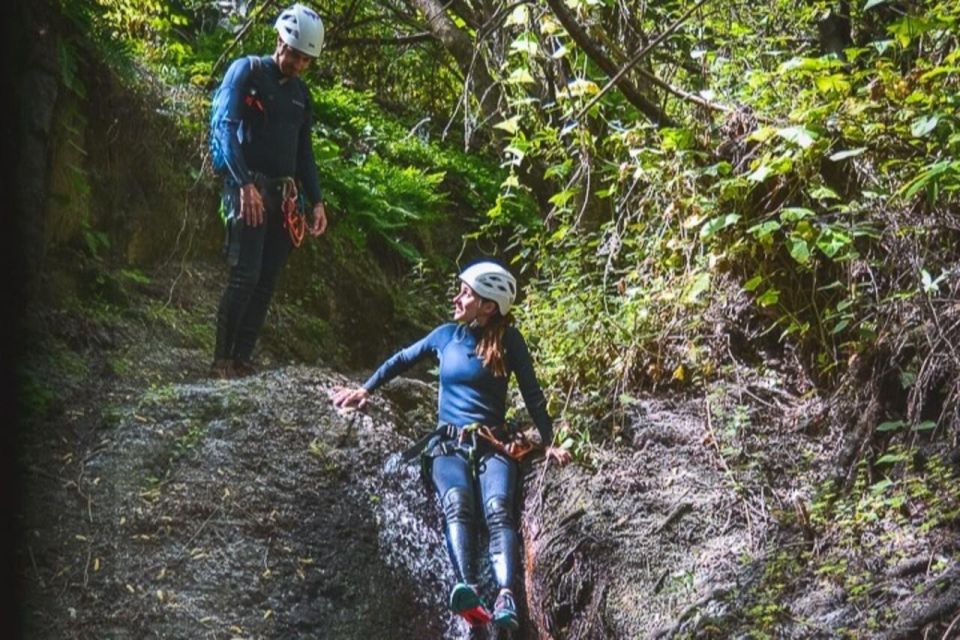
One theme that comes through clearly is that you’re never left to figure it out. You’re guided by a local canyoning instructor team, and the experience includes explanation from the start. That’s not just nice customer service. In canyoning, the “why” behind the technique matters. You’ll be using ropes and doing controlled descents, plus you’ll be handling slippery rock while surrounded by water.
The reviews specifically highlight the feeling of safety, and they also name Jorge as an example of a guide people trusted. That lines up with what you should look for in a canyon activity: clear instruction, calm corrections, and a team that keeps you moving as a group rather than letting you wander.
Small group size (limited to 10 participants) also helps. You get more attention when needed, and you’re less likely to be stuck waiting far behind or far ahead. It’s easier for a guide to monitor everyone when there aren’t many bodies to manage at once.
What canyon action looks like in the rainforest
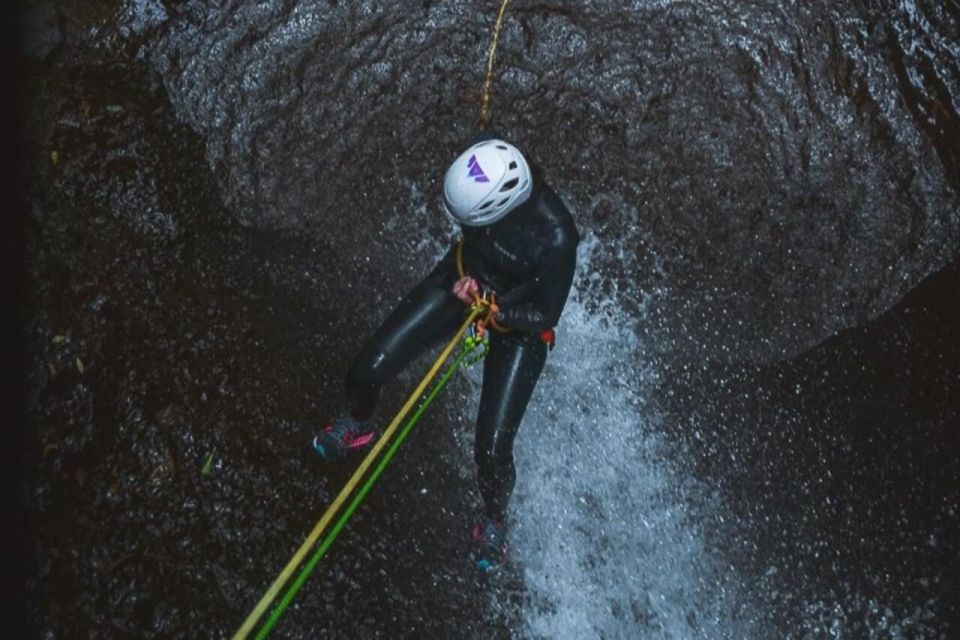
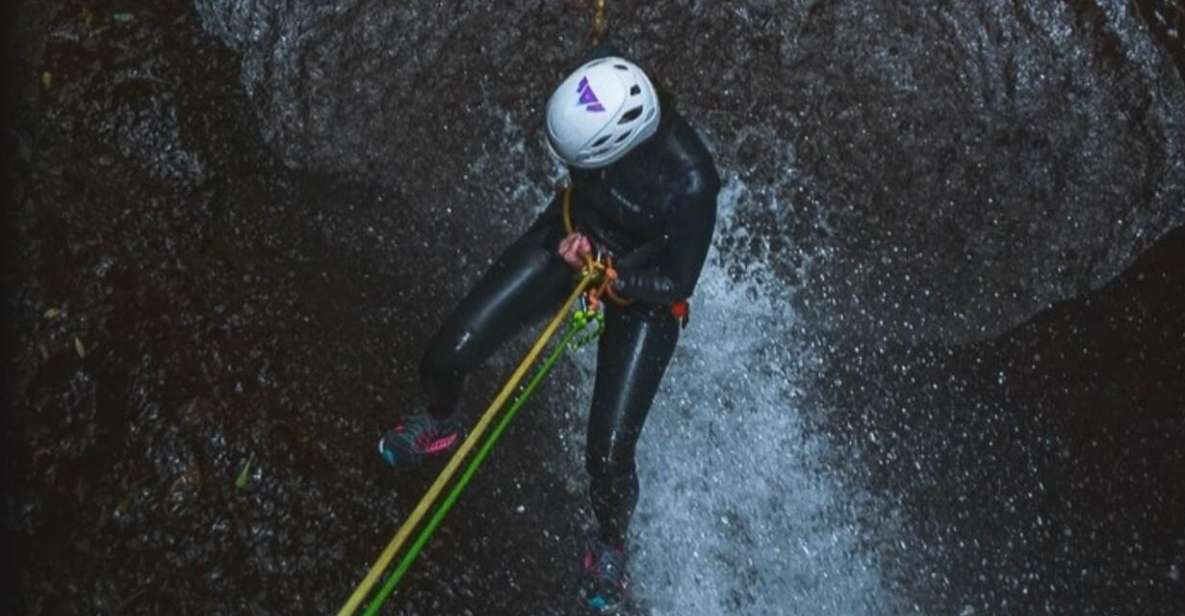
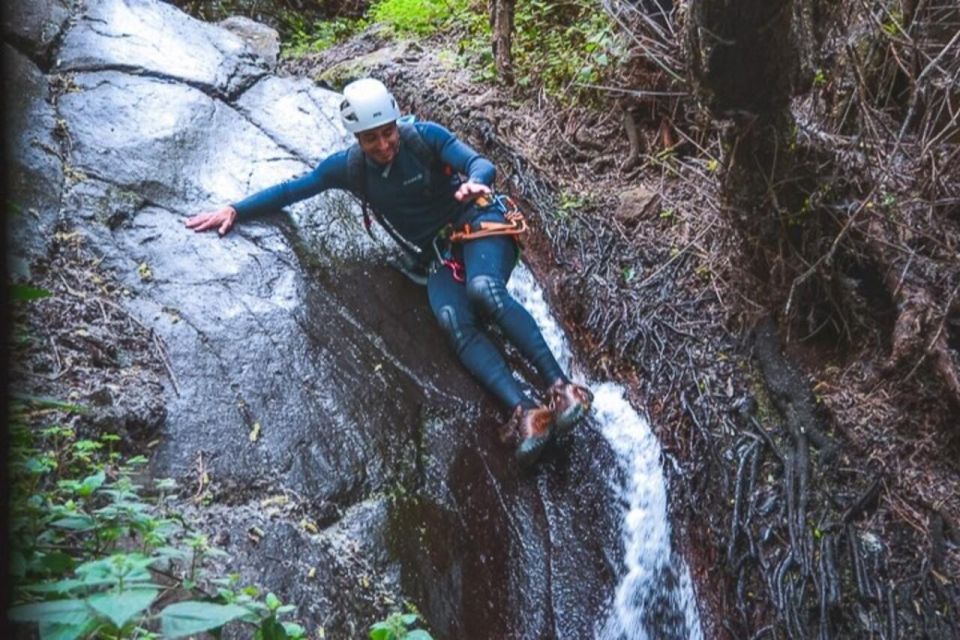
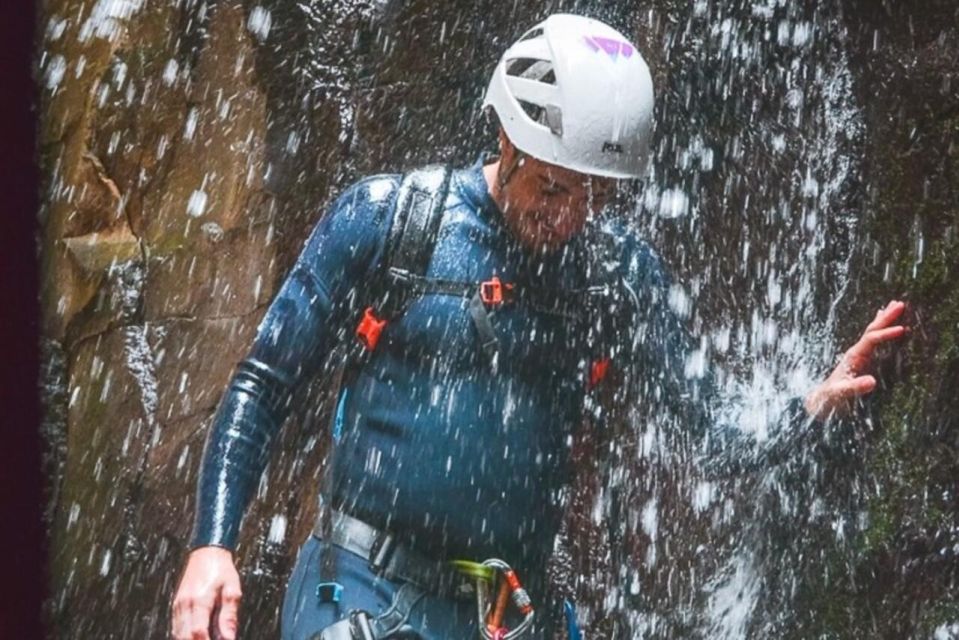
Once you’re in the canyon, the description gets right to the point: you’ll descend waterfalls, rappel down ropes, slide, and swim through sections of the river bed. The rainforest setting is the big visual difference here. Instead of dry rock-and-dust adventure, you’re moving in an environment where water is part of the experience from start to finish.
Here’s what you can expect in practice, based on how canyoning typically flows and what this outing promises:
- Rope descents (rappelling) when the route requires it, usually used to control your descent on steeper rock or directly down waterfall sections.
- Slides where the route allows for a faster, more playful path. This is often the moment people remember most, because it’s part thrill and part relief.
- Swimming and wading in the river-bed style route. Your legs and balance are involved, and you’ll likely cool off multiple times.
- Waterfall time as the centerpiece: you’ll be going down in the middle of jungle canyon settings rather than just seeing waterfalls from a distance.
The “good level of physical fitness” requirement is worth taking seriously. Canyoning is not a long hike, but it includes short bursts of effort: climbing onto the next stance, adjusting your weight on wet surfaces, and repeating technique steps while staying calm.
Also, you should be prepared for rain or shine. This is outdoor work in a canyon. Wet conditions are normal, not a special event.
Stop 3: the heart of the day at Gran Canaria
Stop 3 is where most of the action happens: break time, photo stops, guided tour, walking, swimming, and a safety briefing tied to the session. This is the part of the day that’s structured but still feels like an adventure.
Break and photo stops are genuinely helpful. You’ll likely have moments when you want to catch your breath, dry off a little, and take a quick snapshot while everyone regroups. The photo stop also helps you understand the route shape, which can reduce anxiety later.
The safety briefing isn’t just a formality. Rope and waterfall descents require you to listen. You need to know how to move, how to position yourself, and how the guide wants you to handle gear and footing. If you’re worried about heights or dropping down rock, this is the moment to ask questions in plain language.
One more practical note from the review tip: make sure your footwear is up to the job. The description should be explicit about it, and real-world canyoning proves it fast. You want shoes that are non-slip and waterproof so you can trust your footing when you’re wet and moving across slick rock.

How long is it, and what that means for your plans
The total duration is 4 hours. That’s a sweet spot for an active outdoors day on Gran Canaria. It’s long enough to get real canyoning—rappels, slides, water sections—but short enough that you likely still have time for dinner and an evening walk afterward.
Starting times depend on availability, so you’ll want to check what windows are offered when you book. If you’re traveling in warm weather, an earlier slot can feel easier on your energy. If it’s cooler, any slot might be fine, but remember you’ll be wet either way.
What’s included (and what isn’t)
You get the essentials covered: a professional local guide explains what you need to know and stays with your group. That guidance is the core value here.
What isn’t included in the info you were given is just as important to you: you’ll need to handle your own prep. The “what to bring” list is not optional in real life. It’s the difference between feeling comfortable and feeling miserable.
What to bring so you stay comfortable in the water
Bring:
- Passport or ID card
- Change of clothes
- Towel
- Sunscreen
- Sportswear
- Personal medication
- Closed-toe shoes
That last item is a big deal. In canyoning, closed-toe shoes protect you and help with grip. And based on the shoes advice people felt was missing from the usual description, you should prioritize grip and water compatibility. Even if the water looks calm, the rock texture usually isn’t.
Also bring sunscreen even though you’ll be wet. The sun still hits you, especially in open canyon sections. Reapply if you can during breaks, and don’t wait until you feel burned.
Who this is best for (and who should skip it)
This activity is adapted for the whole family, but the real guardrails matter. It isn’t suitable for children under 10 years. It’s also not suitable for pregnant women, wheelchair users, people over 309 lbs (140 kg), people with heart problems, or people with mobility impairments.
Here’s how to interpret that for your decision:
- If you can hike on uneven ground for a short stretch and you’re comfortable being wet and working your balance, this fits well.
- If you have heart concerns or limited mobility, don’t treat the “family-friendly” wording as a green light. The physical and safety demands are real in canyon settings.
- If you’re unsure, you might find it helpful to ask your provider what “good level of physical fitness” means on the day you’re booked.
Price and value: is $79 worth it?
At about $79 per person for a 4-hour canyoning adventure, the value is mostly in three areas: professional instruction, access to a canyon setting you can’t easily self-guide, and the full active sequence (rappels, slides, swimming, waterfall descents). In other words, you’re paying for safety, expertise, and the ability to experience the canyon efficiently.
Compared with doing a DIY nature day, the cost looks higher. But canyoning isn’t just “going to a scenic spot.” You’re using controlled descent skills and moving through water and rock with a team. That’s the real cost driver.
The small group limit of 10 also adds value. You’re not processed through a factory-style experience. You’re more likely to get personal coaching when it matters.
Practical details that prevent day-of stress
Meet-up is specific: a dirt parking lot, on the right side of a curve, where you’ll see a road that isn’t for through traffic. If you’re relying on GPS, zoom in and double-check the parking area so you don’t end up at the wrong turn.
You should also plan for “rain or shine.” That means packing your towel and change of clothes as if it will rain. It often does feel like you’re preparing for a water day, because you are.
And no alcohol or drugs is part of the rules. That’s not just legal fine print. It supports the safety-first vibe.
Should you book this Gran Canaria rainforest canyoning?
Book it if you want a hands-on nature experience with waterfall descents and you’re ready for a wet, active couple of hours in real terrain. The small group size and the strong emphasis on feeling safe with guides like Jorge make it a smart choice for people who want adventure but hate confusion.
Skip it if you can’t handle wet slippery footing, don’t meet the fitness expectations, or fall into the listed restrictions (heart problems, pregnancy, mobility limitations, or young kids under 10). Also, if you’re the type who needs everything to stay dry and predictable, canyoning may feel stressful rather than fun.
FAQ
How long is the canyoning experience?
The duration is 4 hours.
Do I need previous canyoning experience?
No previous experience is required, but you should have a good level of physical fitness.
Is the canyoning trip affected by rain?
The excursion will be done rain or shine.
What language are the instructors?
Instructors are available in English and Spanish.
What ages can participate?
It is not suitable for children under 10 years.
What should I bring?
Bring your passport or ID card, change of clothes, a towel, sunscreen, sportswear, personal medication, and closed-toe shoes.
What size is the group?
The group is limited to 10 participants.