REVIEW · GRAN CANARIA
Gran Canaria: 3-Day Open Water Diver Course
Book on GetYourGuide →Operated by Delphinus Diving School Gran Canaria · Bookable on GetYourGuide
Scuba training in the Atlantic sounds simple, until you see the structure. This 3-day PADI Open Water Diver course gives you theory, pool skill drills, and 4 supervised ocean sessions with a multi-language PADI team. I like that you get real practice time, not just classroom talk. You also finish with a certification designed for independent scuba up to 18m worldwide. One thing to consider: you’ll need to budget extra for the PADI manual and a few personal items once you arrive.
Gran Canaria gives you a great mix of warm-water training and a resort setting that keeps logistics easy. I’d call the biggest value here the balance: calm pool work first, then more ocean practice as your confidence grows. If you’re expecting a relaxed “tour” vibe, this is more focused and skill-based than sightseeing-only.
In This Review
- Key things I’d watch for before you go
- Gran Canaria’s Atlantic setup for a fast, solid Open Water start
- Your 3 days of training, in the order that builds confidence
- Day one: theory first, then pool and first ocean confidence
- Day two: more skills, a final theory exam, then more ocean time
- Day three: finishing with two unforgettable ocean sessions
- What’s included (and why that’s a money-saver on vacation)
- Cordial Mogan + the Delphinus team: the training environment matters
- Atlantic conditions: clarity, sand, and why supervision is part of the fun
- Certification you can actually use: independent scuba up to 18m
- Price and logistics: what to budget beyond $530
- Who this course fits best (and who should skip it)
- If you want hands-on learning, the course design delivers
- Should you book this Gran Canaria Open Water course?
- FAQ
- What certification will I get?
- How long is the course?
- What’s included in the price?
- What should I bring?
- What extra costs should I expect?
- Is there a minimum age?
- Is this course safe for everyone?
- What languages are available?
Key things I’d watch for before you go
- Four open-water sessions in 3 days, under PADI instructor supervision
- 1.5-hour interactive theory start on day one, then more classroom sessions
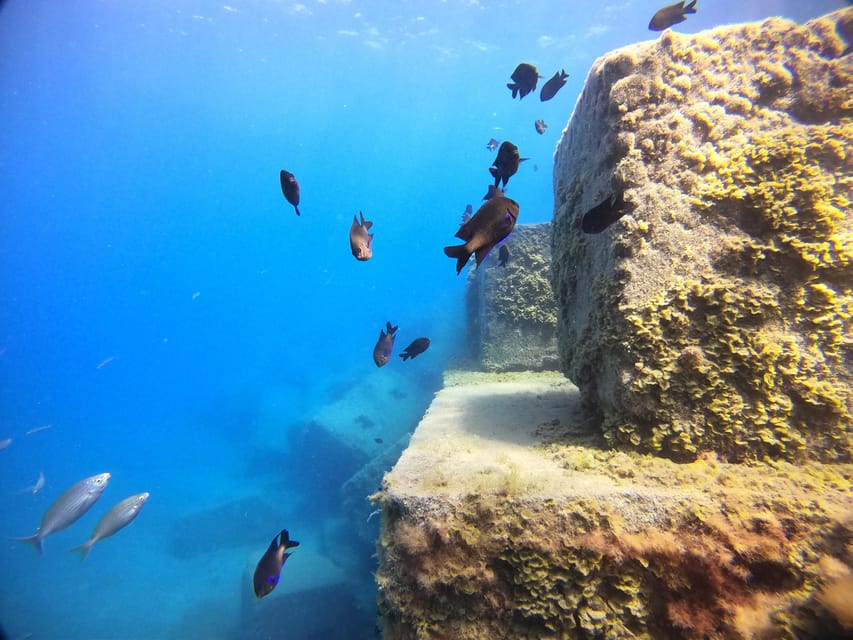
- Atlantic training near white-sand beaches, plus professional care in the water
- Certification target of independent scuba to 18m, the key milestone for PADI Open Water
- Included gear and insurance, so you’re not scrambling for equipment on vacation
Gran Canaria’s Atlantic setup for a fast, solid Open Water start
Gran Canaria is a strong choice for learning scuba because the course is built around gradual exposure. You start with classroom basics, move into controlled pool/shallow-water practice, and only then shift into the ocean. That order matters. It helps you connect what you learned in theory to what you do with your hands and your breathing when conditions get more real.
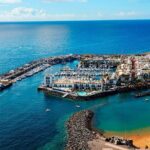
The location also keeps the stress level down. Training happens around the Cordial Mogan resort area, which makes it easier to go from hotel life to training life without wasting half your day on transfers. Plus, the resort setting is a plus if you want a vacation that still feels like a vacation.
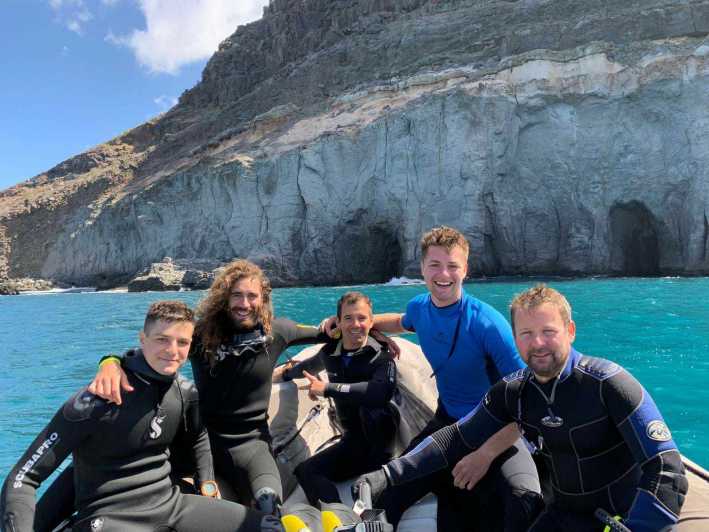
You’ll also benefit from the way the instructors are set up. The team includes Spanish, English, Polish, French, German, and Italian speakers. That’s not just convenient. It usually means less confusion about key safety rules and procedures—especially during Q&A and skills checks.
You can also read our reviews of more tours and experiences in Gran Canaria
Your 3 days of training, in the order that builds confidence
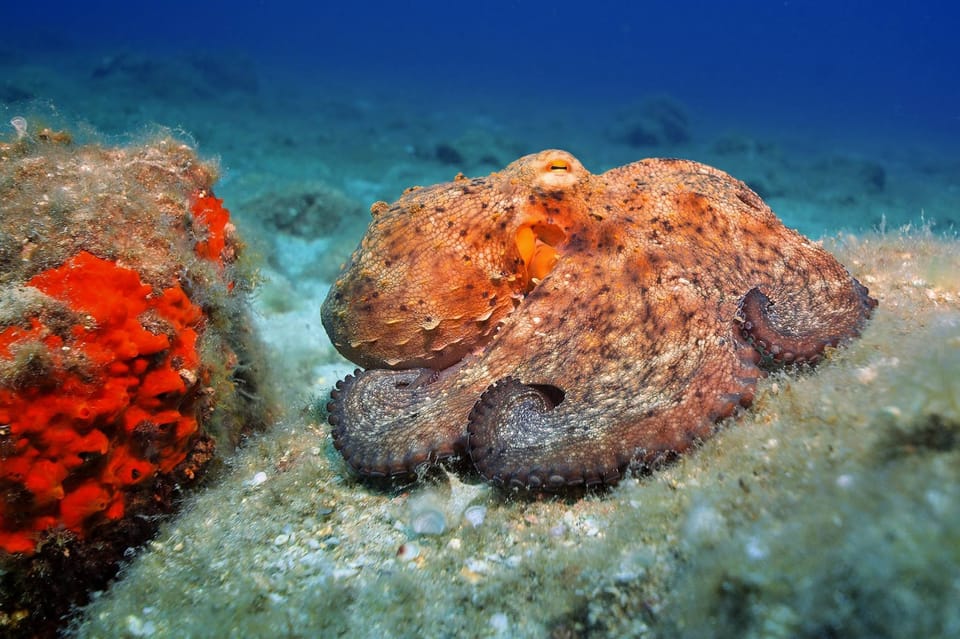
This PADI Open Water Diver course is designed as a full skill cycle. You’re not just learning facts; you’re learning how to operate as a safe new diver.
Day one: theory first, then pool and first ocean confidence
Day one starts with a 1.5-hour interactive theory session in a classroom. Interactive matters here because you’re not passively watching slides. You’re working through key concepts and safety fundamentals early, so when you start gear drills later, the reason behind each step is already clear.
After that, you get pool and shallow-water practice sessions. These are meant for muscle memory: mask work, breathing control, basic buoyancy concepts, and handling common in-water situations while you’re still in a controlled environment.
Then comes the ocean portion. On day one you’ll get started with open-water training under supervision, so you can experience how the Atlantic changes the feel of everything. Ocean water adds movement, new depth references, and more sensory input than a pool.
Day two: more skills, a final theory exam, then more ocean time
Day two follows a similar structure: more classroom and practice, followed by an exam and additional in-water learning. The key point is the pacing. You don’t just go from theory into the ocean and hope for the best. You keep practicing, then you lock in knowledge with a final theory exam before the course’s last push.
Practically, that means you’ll spend time making sure you can explain what you’re doing and why. Even if you’re not a “book person,” passing the exam is useful because it confirms you understand the safety logic behind the procedures you’ll use again later.
You’ll also continue building comfort with the gear and procedures in the water. By this stage, you should feel like the skills are starting to click. The goal is to move from “I’m trying not to mess up” to “I can follow the plan even if something changes.”
Day three: finishing with two unforgettable ocean sessions
Day three is the payoff day. You wrap up with two ocean dives (open-water sessions) designed to show you what the certification is really for: being calm enough to notice marine life and enjoy the experience—without losing track of skills and safety.
The course descriptions focus on white-sand beaches and underwater life, and the training element stays professional. You’re still supervised, but the emphasis shifts toward competence and enjoyment. That’s the right way to feel on your last day: confident, not overwhelmed.


What’s included (and why that’s a money-saver on vacation)
At a price of $530 per person, the biggest question is: what are you actually paying for, beyond the word “course”?
Here’s what’s included:
- 5 classroom theory sessions
- 5 pool/shallow-water practice sessions
- 4 ocean training sessions
- Dive equipment (so you’re not tracking down a rental on your trip)
- Dive insurance
- Hotel pickup and drop off
That combination is often where value hides. Equipment and insurance can add up fast if you’re piecing things together, especially for a short vacation.
Also, the inclusion of pickup/drop-off is more important than people think. When you’re learning a sport that requires focus, fewer logistics reduce mistakes. You show up mentally ready, not late and frazzled.
Cordial Mogan + the Delphinus team: the training environment matters
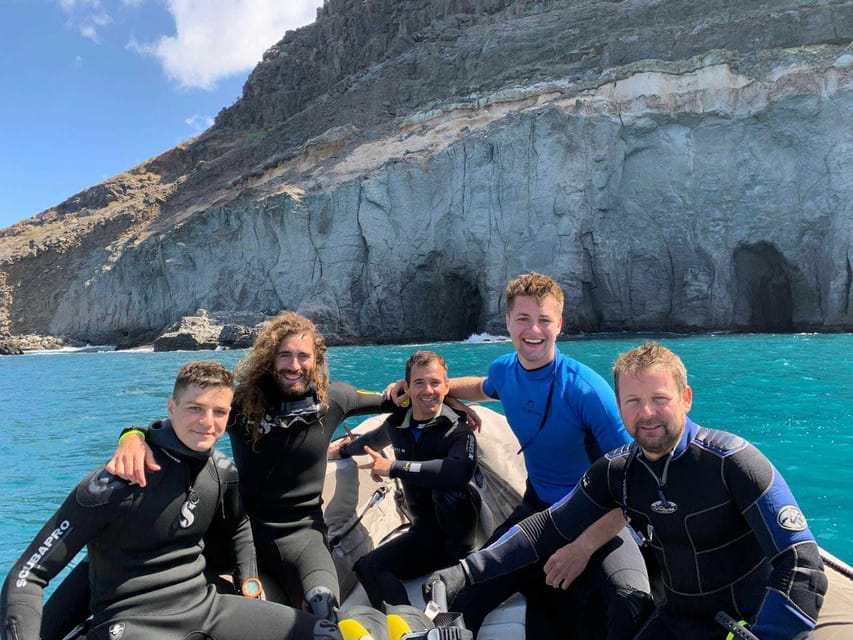
A good course isn’t just about the curriculum; it’s about how supported you feel. The course is run in partnership with a diving school team based in Gran Canaria, and the training happens from the Cordial Mogan resort area.
Instructors include multiple languages. And in real-world terms, that can change how quickly you get clarity on the details that matter: buoyancy, breathing rhythm, and what to do if something feels off.
One highlight from previous participants was the organization and individualized attention. Another was the way instructors kept things relaxed without cutting corners. In particular, one instructor named Damian was specifically mentioned for teaching with patience and fun, and for making the ocean sessions a true highlight.
If you’re the type who learns best with friendly, structured guidance, that’s a strong signal.
Atlantic conditions: clarity, sand, and why supervision is part of the fun
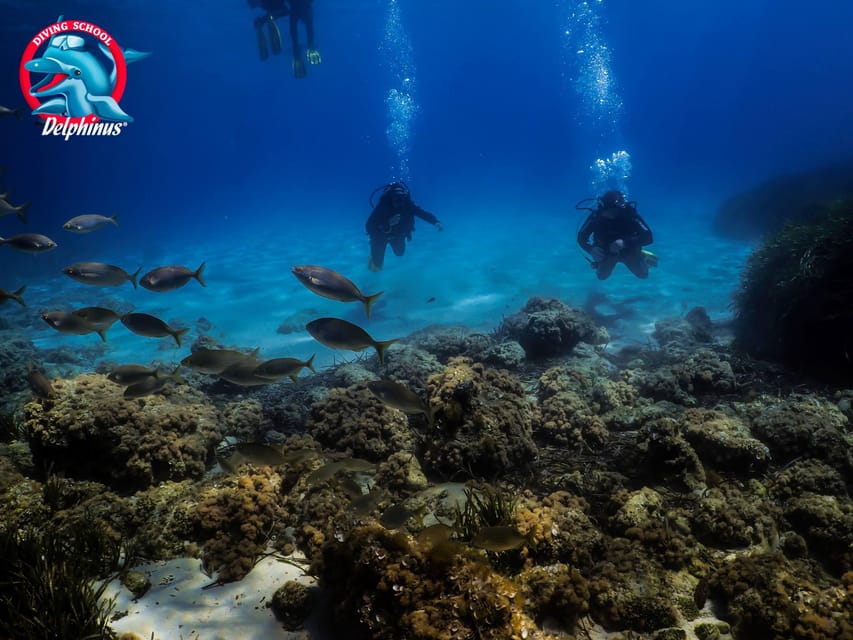
The Atlantic experience is the reason to take a course like this in the first place. You’re not only going through steps in water—you’re doing it in a real environment off Gran Canaria.
The course setup is aimed at making the ocean manageable:
- You practice in the pool first so you already know how your body should feel in the gear.
- You then scale up to open water in stages across multiple sessions.
- You finish with ocean sessions where you can focus more on observation and calm movement.
A prior participant described clear visibility and highlighted individualized supervision. You can’t plan your life around perfect visibility every day, but the training model is built to work even when conditions aren’t ideal. The supervision is what keeps you safe while you adapt.
You’ll also be learning in a place known for white-sand beaches and underwater life. That combination helps the course feel rewarding, not like a chore.
Certification you can actually use: independent scuba up to 18m
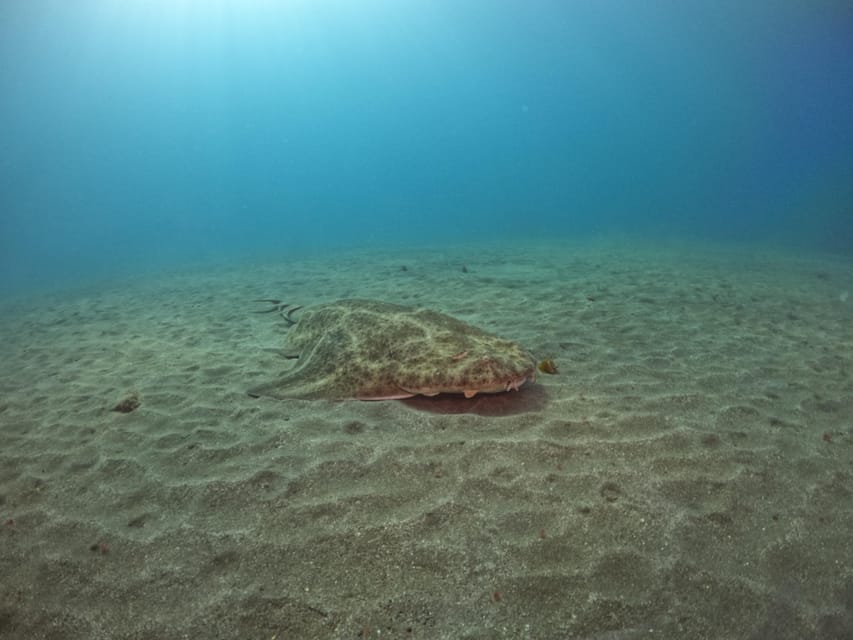
This is the real milestone you’re paying for. The PADI Open Water Diver credential is the first level in the PADI system that allows you to dive independently all over the world—with a maximum depth of 18 meters.
That matters because it changes how you plan future trips. Instead of doing a one-off excursion, you can join training-level experiences elsewhere, book boat days with confidence, and use your certification to explore more than just the surface.
In practical terms, your success here comes down to competence and comfort, not just getting through the schedule. The course is designed to leave you with the knowledge and procedures you need to handle typical in-water situations on your own within the program limits.
Price and logistics: what to budget beyond $530
Let’s talk value like adults.
Your base cost is $530 per person, and it already covers:
- instruction time (classroom + pool + ocean sessions)
- equipment
- dive insurance
- hotel pickup and drop off
What’s not included:
- PADI manual (€87)
- Individual mouthpiece (€4)
So the true total depends on whether you’re comfortable buying the manual on arrival. If you prefer having everything sorted early, budget for the manual cost. The mouthpiece is a small extra, but it’s still a real add-on.
Also, keep in mind the course requires basic participation items:
- swimwear
- towel
If you already travel with those, you’re set. If not, factor in the quick purchase cost.
Who this course fits best (and who should skip it)
This course is listed as starting at minimum age 10. It’s also a good fit if you’re fit and healthy and you’re willing to follow instructor guidance closely during skills practice.
It’s not suitable for pregnant women, according to the course info.
Medical note: the course advises checking with your doctor if you have any medical issues, and bringing documentation if needed. That’s standard for scuba, but it’s also one of those “small checks now, big peace of mind later” steps.
If you’re recovering from an illness or have a condition that might affect equalization or breathing, do your homework before you book.
If you want hands-on learning, the course design delivers
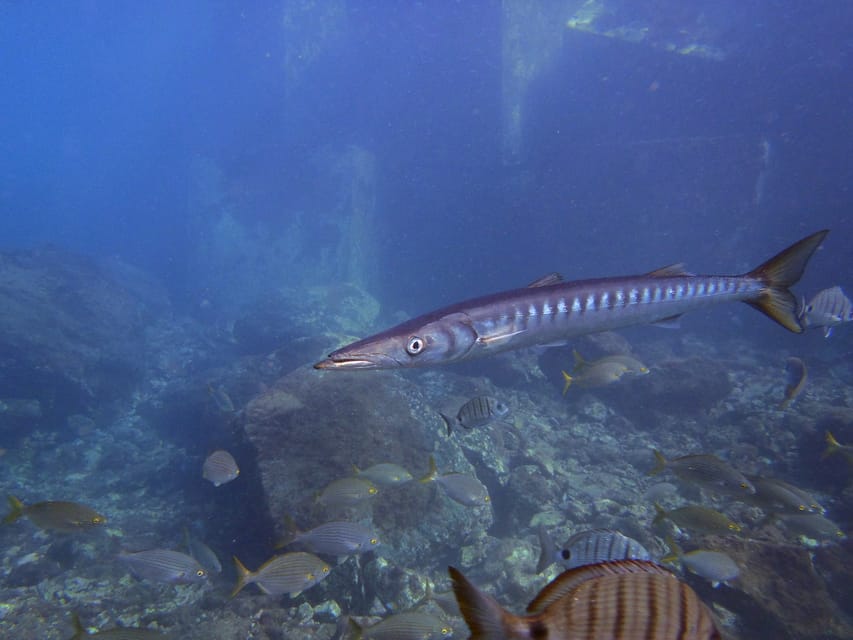
The course includes multiple classroom sessions plus pool/shallow-water drills and then four ocean training sessions. That ratio is what helps beginners transition safely.
I like this approach because it doesn’t treat the ocean as the first test of everything. You’ll repeatedly practice the basics so that when you’re in the Atlantic, you’re not figuring out how scuba gear works while trying to relax and look around.
And because the team is multi-language, you can get explanations in a way that feels clear. That reduces the chance of misunderstandings—especially during theory checks and skills corrections.
Should you book this Gran Canaria Open Water course?
If you want a fast path to a globally useful certification, this is a sensible choice. The combination of classroom work, pool practice, and four supervised ocean sessions is exactly what you want for a first certification. The strong feedback around instruction support, organization, and individual attention (including praise for Damian) also suggests you’ll be well looked after.
You might want to pause and think first if:
- you’re not comfortable spending a few days focused on skills rather than sightseeing
- you’re expecting everything to be fully included with no extras (the PADI manual is not included)
- you have health considerations and haven’t checked with a doctor yet
Otherwise, you’re looking at a structured, instructor-led way to earn the Open Water Diver credential in a real Atlantic setting, with pickup and gear handled for you.
FAQ
What certification will I get?
You’ll complete the PADI Open Water Diver course, which is the first level that allows you to dive independently up to 18 meters all over the world.
How long is the course?
The course lasts 3 days.
What’s included in the price?
Included are classroom theory sessions, pool/shallow-water practice sessions, 4 ocean training sessions, dive equipment, dive insurance, and hotel pickup and drop off.
What should I bring?
Bring swimwear and a towel.
What extra costs should I expect?
The PADI manual (€87) and an individual mouthpiece (€4) are not included.
Is there a minimum age?
Yes. The minimum age to join is 10 years old.
Is this course safe for everyone?
The course info says it’s not suitable for pregnant women. You should also be fit and healthy, and if you have any medical issues, check with your doctor prior to arrival and bring medical certification if needed.
What languages are available?
Instruction is available in Spanish, English, Polish, French, German, and Italian.