REVIEW · GRAN CANARIA
Coasteering experience in Gran Canaria
Book on Viator →Operated by MOJO PICON AVENTURA · Bookable on Viator
Rocky coastline, real adrenaline, and solid safety gear. I like the provided harness-and-helmet setup and the chance to try a cave zipline with sea jumps. The catch is that this is physical and not a fit-for-everybody first-time activity, so go in ready to work.
You’ll be guided along the west side cliffs of Gran Canaria, with instruction as you move on foot and by swimming through the rocky coastline. You also get a built-in break with snacks and water, plus a picture report so you’re not stuck recreating your own action shots.
If you’re prone to getting impatient, plan for some waiting time before you’re in the water. One more practical note: don’t leave valuables in your car and assume they’ll be covered after you’ve checked in.
In This Review
- Key Highlights I’d Focus On
- Coasteering on Gran Canaria’s Southwest Cliffs (Mogán Area)
- What You’ll Actually Do: Walk, Jump, Swim, and Zipline
- Safety Gear and Guide Style (Miguel’s Calm, No-Panic Approach)
- Gear Up for the Rocks: Comfort Tips Before You Go
- Timing and Logistics: Why You May Feel Like You’re Waiting
- Mogán Stop: The Route Behind the Adrenaline
- The Cave Zipline and Sea Jumps: The Moments You’ll Remember
- Picnic Break: Snacks, Water, and a Photo Report
- Price and Value: Is $78.20 Worth It?
- Who Should Book (and Who Might Skip This)
- Weather and Day-of Conditions: Plan Around Good Sea Days
- Should You Book This Coasteering Tour Near Mogán?
- FAQ
- How long is the coasteering experience?
- What time does the tour start, and where does it meet?
- Is pickup offered?
- What safety gear and food are included?
- What language does the guide speak?
- What is the minimum age?
- What happens if weather is poor, and is cancellation refundable?
- How many people are in the group?
Key Highlights I’d Focus On
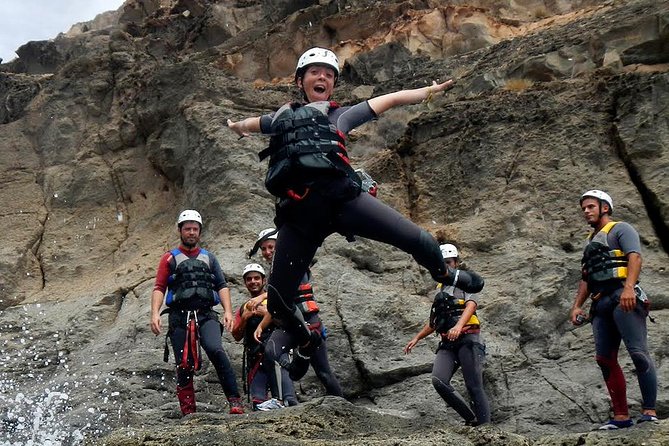
- Full safety kit: harness, helmet, life jacket, and other safety tools
- Guide-led technique: you’re taught what to do, not just pointed at the sea
- Cave zipline moment: a standout move that connects cliffs to ocean views
- Picnic snack stop: chocolates, fruit, biscuits, nuts, and water to keep you going
- Small group size: maximum 16 travelers, so you’re not lost in a crowd
- Picture report included: you get more than just a memory of salt spray
Coasteering on Gran Canaria’s Southwest Cliffs (Mogán Area)
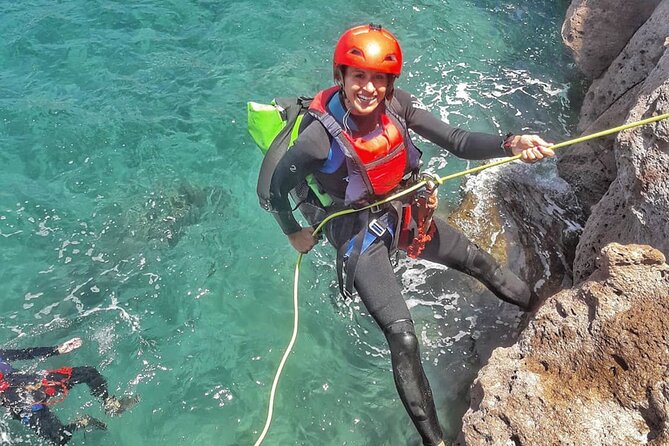
This coasteering outing is all about trading a beach day for a rugged coast workout. You’ll head to the southwest side of Gran Canaria, where cliffs drop toward the sea and the shoreline gives you natural routes to scramble, jump, and swim in short, guided moves.
The area around Mogán (your start point is in the Taurito / Mogán area) is known for dramatic coastal shapes. On this tour, those shapes aren’t just scenery. They’re part of the activity plan: sea-level transitions, cliff-to-water jumps, and that extra jump-and-go feeling when the guide moves the group through the route.
It’s also designed for people who want more than sightseeing. If you’re looking for a passive tour, this one won’t match. But if you want movement, balance, and a few moments where you have to trust the safety setup, it fits well.
You can also read our reviews of more tours and experiences in Gran Canaria.

What You’ll Actually Do: Walk, Jump, Swim, and Zipline
Coasteering sounds like one thing, but on the ground it’s a sequence. Expect to move along rocky coastline sections on foot and by swimming, then pause for instruction as conditions and the route demand.
The big moments are the ones you came for:
- jumping into the water from the cliffs
- scrambling and walking along the coast between jump points
- swimming sections when the coastline connects that way
- and a zipline across a cave into the ocean, which adds a very different kind of thrill than just jumping
One reason this style works is pacing. You’re not forced into one nonstop effort. The guide builds the route so you learn what you need for each section, which helps when you’re dealing with tides, waves, and uneven rock.
The other thing: you should have sports-like comfort with doing physical work for several hours. This isn’t a gentle stroll along the edge of the sea. It’s an active coastline route with real expectations for your legs, grip, and breath control.
Safety Gear and Guide Style (Miguel’s Calm, No-Panic Approach)
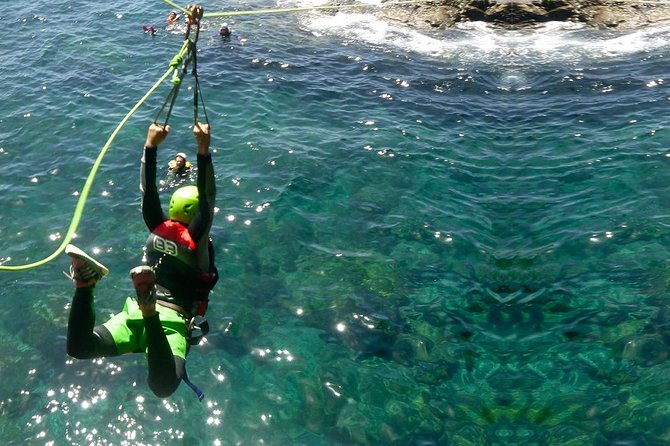
This tour gives you a harness, life jacket, helmet, and other safety tools. That matters because coasteering is about reducing risk while still keeping the fun. You get protection and equipment designed for cliff and water movement, not just a casual life jacket for swimming.
The guide is the real glue holding the experience together. The tour runs with an English-Spanish speaking guide, and one name that stands out in feedback is Miguel. People emphasize that he’s patient and thoughtful about personal comfort, especially if you have a fear of heights.
That’s a big deal. In coasteering, you’re always making micro-decisions: do I jump from here, can I handle this rock, am I ready for the water entry? A patient guide helps you try the activities at your own pace without turning it into a pushy stunt.
Also, because this is a small group (up to 16), the guide can keep eyes on you while you practice the basics. If you’re nervous, that’s what you want: oversight, clear technique, and a chance to get comfortable before you commit.
Gear Up for the Rocks: Comfort Tips Before You Go
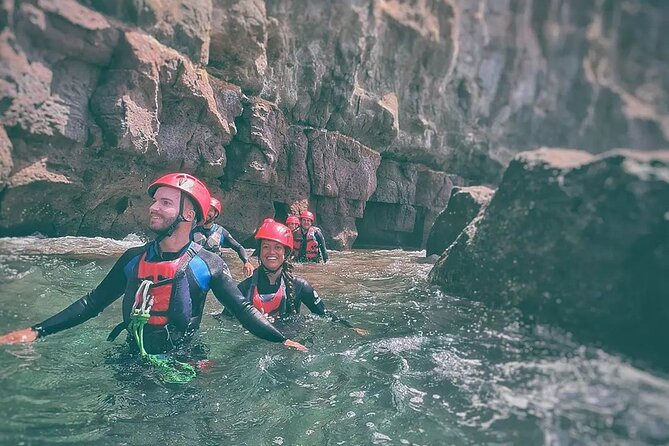
The tour includes the core safety gear, but you still control comfort. For a day like this, I’d plan for the reality that you’ll get wet and move over rough terrain.
What helps most:
- Wear a swimsuit or quick-drying gear under what you bring
- Use grippy footwear or water-friendly shoes you can trust on rock
- Bring a change of clothes for after, because you’ll want dry fabric fast
- Keep your bag simple and protect phones and cameras
One extra caution based on how these days go: don’t stash valuables in your car and walk away assuming everything will be handled. If you bring anything important, keep it secure with you during the activity or make sure it’s stored properly before you start.
If you hate carrying stuff, you’re not alone. The better approach is to travel light, so you can focus on the guide cues and your footing.
Timing and Logistics: Why You May Feel Like You’re Waiting
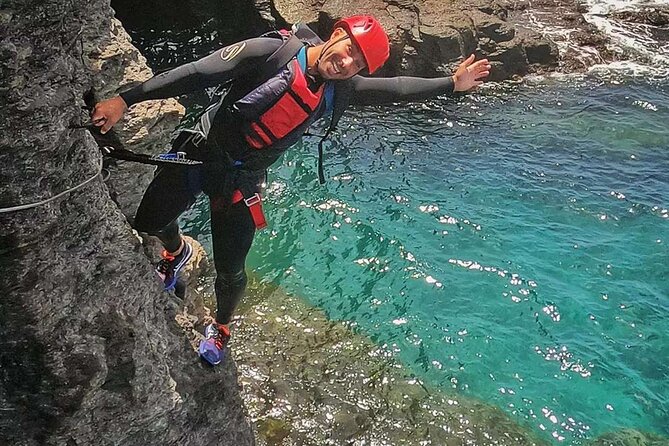
This experience runs about 4 to 6 hours, with a start time of 9:30 am. The day doesn’t begin with instant jumping. You’ll meet at the parking area in the Taurito / Mogán region (Parking AreaR7C2+Q4, 35138 Taurito, Las Palmas, Spain), then you’ll shift from meeting setup to beach access.
Why does this matter? Because the first phase is about organization: gear checks, instruction, and getting everyone routed safely to the start of the coastline section. One downside that pops up in feedback is waiting—waiting in the parking area, then waiting again as people are transferred to the water start location.
My advice: treat the first portion of the tour as onboarding time. Don’t schedule something immediately after pickup or assume you’ll be in the sea by the first ten minutes. Arrive early enough that you’re not stressed, and you’ll enjoy the ride more once the action begins.

Mogán Stop: The Route Behind the Adrenaline
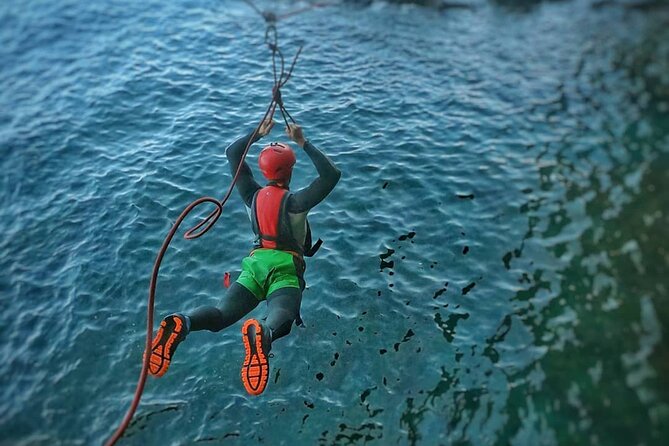
Your planned highlight stop is in the Mogán area, tied to the southwest coast cliffs. This is where the tour delivers its best variety: cliff sections you can jump from, walking segments along the coast, and water entries that connect one activation to the next.
What makes Mogán’s coastline work for coasteering is the mix of cliff shapes and sea-level transitions. You’re not just jumping randomly. The guide helps the group move through a route that flows with the coastline’s natural structure, including cave features for that zipline moment.
A practical thing to know: the coast is dynamic. Waves, visibility, and surface conditions can change. That’s part of why you follow the guide’s pacing. When conditions are right, the route feels smooth. When conditions shift, you’ll still be in good hands because safety tools and instruction are built into the tour plan.
The Cave Zipline and Sea Jumps: The Moments You’ll Remember
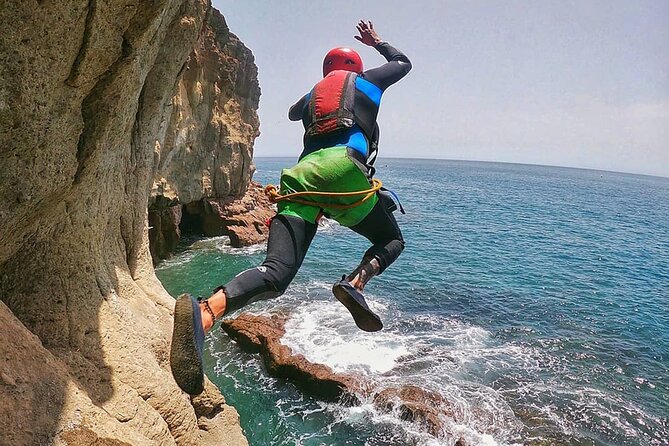
If you’re deciding whether to book, focus on the high points. The tour includes:
- cliff jumps into the water
- a zipline across a cave
- and ocean-facing moves that tie everything together
The cave zipline is a standout because it’s not just height. It’s direction changes, motion, and a very clear view of how the coastline meets the sea. Even if you’re not a thrill-seeker, it tends to feel like a guided special moment rather than a random stunt.
For the jumps, the best approach is mindset. Don’t treat each jump as a single overwhelming event. Treat it as a sequence you practice through the guide’s instructions. When someone is nervous about heights, a patient guide approach makes a difference, and that’s exactly what’s been highlighted by people who felt safer than expected.
Picnic Break: Snacks, Water, and a Photo Report
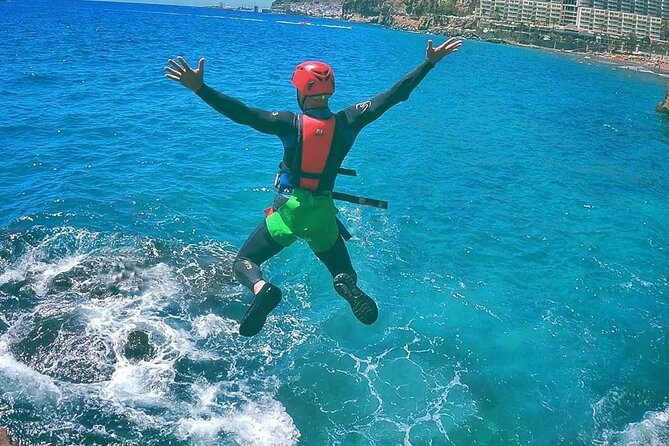
Between the active sections, you’ll get a picnic and time to reset. Included snack items are:
- chocolates
- fruit
- biscuits
- nuts
- bottled water
- plus additional water as part of the picnic setup
This isn’t just food filler. After moving over rock and getting your heart rate up, quick calories and hydration help you stay steady for the next section. I like that the snack mix isn’t one bland item. It gives you options for what your body wants right then.
You also get a picture report. That’s useful because coasteering is hard to document yourself. Even when you bring a camera, it’s not always the right moment to stop and frame shots. A picture report turns the day into more than just a memory that fades with time.
Price and Value: Is $78.20 Worth It?
At $78.20 per person for a 4 to 6 hour guided experience, the value is less about the headline price and more about what’s included.
You’re paying for:
- a professional guide (English-Spanish)
- full safety gear: harness, helmet, life jacket, safety tools
- a planned route with jumps and a zipline
- snacks and water
- a picture report
When you compare this kind of guided, safety-led coastal activity to a DIY day, the equipment and instruction alone make it feel more realistic to book. You’re also getting a small group cap (max 16), which helps the guide manage the route.
If you’re the type who wants a memorable, active day without planning equipment or coaching yourself through cliff and water moves, this price can be a good match. If you’re expecting a casual walk with photo stops, you’ll likely feel it’s overpriced for what you expected. Be honest about your fitness and comfort with heights.
Who Should Book (and Who Might Skip This)
This tour requires a moderate physical fitness level, and the activity calls for participants with a minimum sports-like condition. You should be comfortable with several hours of movement and with the idea of swimming segments when needed.
It’s a great fit for:
- people who like active tours and aren’t afraid of wet, physical days
- travelers who want a guided setup for jumps and a cave zipline
- anyone who prefers safety gear and instruction rather than DIY coastal adventures
It might not suit:
- total beginners looking for an easy intro to adventure sports
- anyone who hates heights and can’t get comfortable even with a patient guide
- people who are unwilling to handle uneven rock and water entries
Age rule is clear: the minimum age is 18. If you’re traveling with younger people, they must be accompanied by an adult.
Weather and Day-of Conditions: Plan Around Good Sea Days
Coasteering depends on conditions, so this experience needs good weather. If it’s canceled due to poor weather, you’ll be offered a different date or a full refund.
That’s not just a fine print detail. Weather affects safety and the feel of the route. If the sea state isn’t right, even a great route plan can’t run safely.
So when you book, treat this as a priority activity to schedule when the forecast looks best. If your trip has flexible days, you’ll have an easier time choosing the day that gives you the best shot at going.
Should You Book This Coasteering Tour Near Mogán?
Book it if you want a real adventure day with safety gear, a trained guide, and a route that includes jumps plus a cave zipline. The small group limit and the guide style highlighted by feedback (including Miguel’s patience) make it a strong choice for people who want to push their comfort level without feeling rushed.
Skip it if you want something relaxed, if you’re new to sports-like activities, or if you’re not ready for a physical, wet, rocky coastline day. Also, go in with the mindset that the morning setup may include some waiting, so don’t stack tight plans right after check-in.
If you match the fitness profile and you’re excited by cliff-to-water fun, this is the kind of Gran Canaria day you’ll talk about long after you’re back inland.
FAQ
How long is the coasteering experience?
The experience lasts about 4 to 6 hours (approx.), with the main stop in the Mogán area scheduled around 5 hours.
What time does the tour start, and where does it meet?
It starts at 9:30 am. The meeting point is Parking AreaR7C2+Q4, 35138 Taurito, Las Palmas, Spain, and the tour ends back at the meeting point.
Is pickup offered?
Yes, pickup is offered.
What safety gear and food are included?
You get a harness, helmet, life jacket, and other safety tools. You also receive snacks and bottled water, including items like chocolates, fruit, biscuits, and nuts, plus additional water as part of the picnic.
What language does the guide speak?
The tour is operated by an English-Spanish lingual guide.
What is the minimum age?
Minimum age is 18. Children under 18 must be accompanied by an adult.
What happens if weather is poor, and is cancellation refundable?
The experience requires good weather. If it’s canceled due to poor weather, you’ll be offered a different date or a full refund. Free cancellation is available up to 24 hours in advance for a full refund.
How many people are in the group?
The tour/activity has a maximum of 16 travelers.