REVIEW · GRAN CANARIA
Tour to Guayadeque, Firgas, Fataga – VIP
Book on Viator →Operated by LCT Gran Canaria · Bookable on Viator
A cave town in the middle of Gran Canaria. That’s the kind of day this tour delivers, with a guided look at Guayadeque’s cave houses and a smooth run through inland villages like Firgas and Fataga. I love the way you get real time on the ground (not just bus views), and I especially like the easy, organized pace with a guide and pickup handled for you. One thing to consider: the stops are short, so bring your best priorities and don’t expect a long wander at every photo spot.
You start at 8:00 am and you’ll be on the road for a good chunk of the day, since the itinerary is spread across the island’s interior. Pickup is offered in touristic areas (you just provide your accommodation name for the closest point), and the day runs with a maximum of 59 people, so it stays social without feeling chaotic. Lunch is optional, and that can be a small planning lever depending on your budget and appetite.
In This Review
- Key highlights at a glance
- Why the Guayadeque–Firgas route feels smart in one day
- Pickup, mobile ticket, and how to set yourself up for a smooth start
- Barranco de Guayadeque: cave houses and ravine time without rushing
- Firgas in 25 minutes: water, tiled memories, and a quick decision game
- Valleseco lunch break: optional recovery time in the mountains
- Tejeda, Tunte, and Fataga: the inland villages that shape the day
- Price and value: what $55.53 buys you (and why it can be worth it)
- The guide and group size: what to expect from the experience vibe
- Tips to make the day easier on your feet and phone
- Who this tour is best for
- Should you book the Guayadeque, Firgas, Fataga VIP Tour?
- FAQ
- What time does the tour start?
- How long is the tour?
- How much does the tour cost?
- Is pickup included?
- What stops are included during the day?
- Is lunch included in the price?
- Can I cancel and get a full refund?
- FAQ
- What will I need to bring?
- Is there a limit on group size?
- Are service animals allowed?
- Is the tour suitable for most people?
- How do tickets work?
- When will I get confirmation after booking?
- Who provides the tour and language support?
Key highlights at a glance
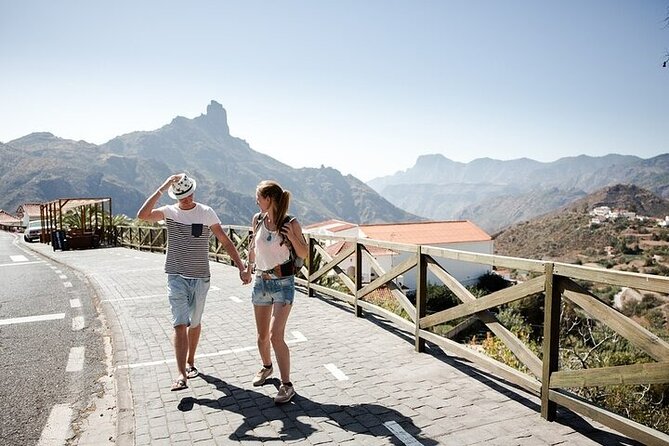
- Guayadeque ravine caves in a focused 30 minutes: enough time to understand what you’re looking at without rushing past everything
- Firgas with its signature water features and tiled details: a quick stop that still feels specific and memorable
- A mountain-side lunch break in Valleseco: optional, with an easy way to refuel mid-day
- Several inland villages in one day: Tejeda, Tunte, and Fataga appear as part of the route, giving you the “island interior” feel
- Guided + pickup + drop-off: you spend less effort figuring out transport and more time seeing places
Why the Guayadeque–Firgas route feels smart in one day
Gran Canaria isn’t just beaches and quick overlooks. When you head inland, you get a different island entirely: ravines shaped over time, stone-built villages, and water stories that locals still treat as important. This tour is designed for that shift, and it’s one reason it works so well for first-timers.
I also like that you’re not stuck in one single theme. Yes, you start with the dramatic Barranco de Guayadeque ravine and cave houses. Then you pivot to Firgas, where the charm is more about town life, fountains, and small details. Finally, you have a practical reset in the mountain area at lunch time in Valleseco. Even with short stops, the day feels like a guided course through inland Gran Canaria rather than a random checklist.
The trade-off is time. The tour is about 9 hours total, but you’ll spend a big chunk traveling between areas. Plan for that as part of the experience, not as a surprise.
You can also read our reviews of more tours and experiences in Gran Canaria
Pickup, mobile ticket, and how to set yourself up for a smooth start

Logistics matter on island tours, and this one keeps things simple. The company offers pickup in touristic areas, so you’re not hunting for a meeting point at dawn. When you book, you send your accommodation name so they can choose the closest pickup point. You’ll also use a mobile ticket, which reduces the hassle of printed vouchers and losing paper.
Start time is 8:00 am, and confirmation is sent within 48 hours (subject to availability). That’s helpful if your plans are still flexible.
One practical tip that makes a difference: bring water. Even if you’re only walking short distances, you’ll be on a coach and then stepping into sun and stone villages. Your future self will thank you after the first long stretch of riding time.
Barranco de Guayadeque: cave houses and ravine time without rushing
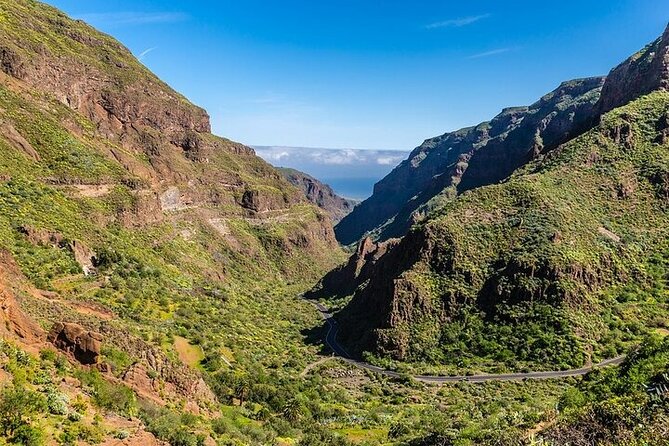
The morning highlight is Barranco de Guayadeque, with about 30 minutes for a guided visit of the ravine and the cave houses. This isn’t a “drive past and wave” stop. You actually get time to look at how people lived, and you get enough guided context to turn the scenery into something meaningful.
What I’d focus on during your 30 minutes:
- Cave houses: look for the way the dwellings are integrated into the rock face, not just placed near it
- Ravine viewpoint angles: the ravine shape creates natural lines and shadows, which helps you understand the geography
- The guide’s explanations: the biggest value here is turning what you see into a story you can repeat later
The admission for this stop is free, so you’re not scrambling for extra tickets or paying on top. The main drawback is straightforward: 30 minutes is short. If you’re the type who loves photos, pick one or two “must-capture” angles before you arrive. That way you won’t burn time wandering randomly.
Firgas in 25 minutes: water, tiled memories, and a quick decision game
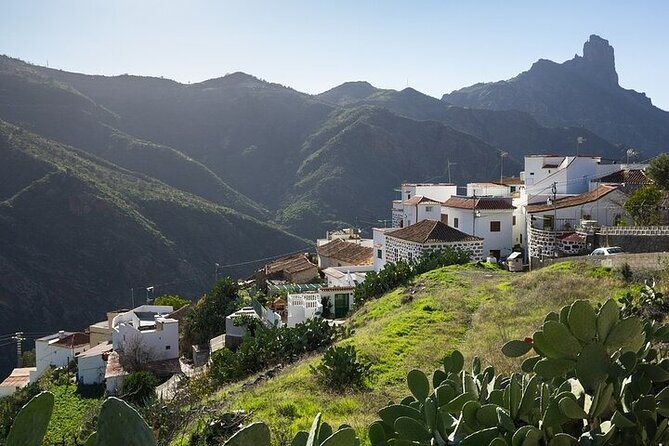
After Guayadeque’s ravine caves, you head to Firgas for about 25 minutes of free time. This is a compact town stop, and it can either feel satisfying or a bit rushed depending on how you approach it.
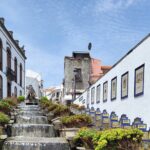
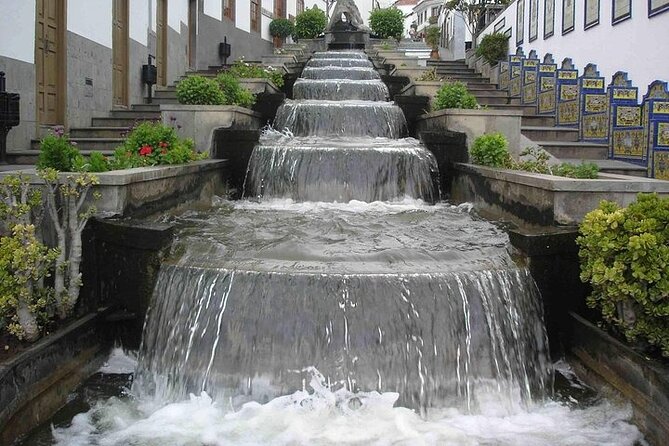
Firgas is known for water features, and you’ll be able to enjoy the church and main square, plus the famous fountain-waterfall linked to Gran Canaria’s 21 municipalities. There are also 22 benches tiled with typical motifs from each locality. That’s the kind of detail that turns a quick stop into something you can remember later, because it’s visually specific.
How to get the most out of only 25 minutes:
- Decide first whether you’re chasing the fountain-waterfall or the tiled benches
- Walk the short loop you can manage, then use your remaining time for the church area
- Keep an eye on your timing and return when your group is called
The stop has free admission. That’s nice, but don’t let it trick you into slowing down too much. This is one of those times where “free time” still means “time-boxed.” Treat it like a local snack stop: pick what you came for.
Valleseco lunch break: optional recovery time in the mountains
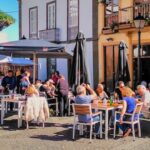
The tour includes time for lunch in Valleseco, about 1 hour. Lunch is optional and not included in the tour price, which gives you flexibility. If you want a set meal and not a decision project, you can plan to eat at the restaurant stop. If you’d rather explore on your own, this is where you have the window to do it—just remember you’ll still be working within the group schedule.
From practical experience, the biggest benefit of a lunch stop on this kind of day is energy management. Inland villages mean walking on uneven ground, and the coach ride can make you feel dull if you don’t eat. Use lunch time to recharge rather than squeeze in extra sights.
If you choose the optional meal, one lunch setup has been described as a 3-course menu with a drink (beer, wine, or soft drink) for 15 euros, and it’s been called very good value. That kind of fixed-price meal is ideal on tours: you know what you’re getting, and you’re not stuck negotiating menus in a second language with your stomach doing the negotiating for you.

Tejeda, Tunte, and Fataga: the inland villages that shape the day
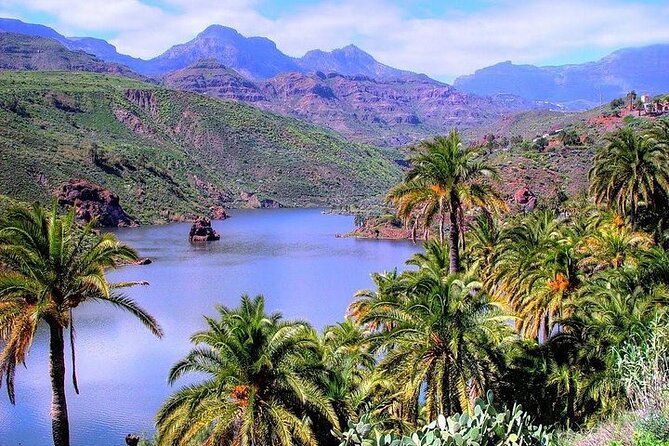
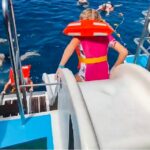
Beyond the main named stops, the tour route includes village time in places such as Tejeda, Tunte, and Fataga. Even if you’re not spending hours in each one, these towns give your day that “Gran Canaria inland” identity.
Why these villages matter:
- Tejeda tends to signal higher interior terrain and a calmer rhythm
- Tunte often brings you into a more village-like feel, with smaller streets and local textures
- Fataga adds to the sense of traveling through lived-in communities rather than just scenic pull-offs
Because the time for each village isn’t broken down here, don’t plan on deep museum-style exploration. Instead, think of this portion as guided wandering and photo moments, plus the chance to see everyday village life. If you love villages for their atmosphere, this section is the payoff.
Price and value: what $55.53 buys you (and why it can be worth it)
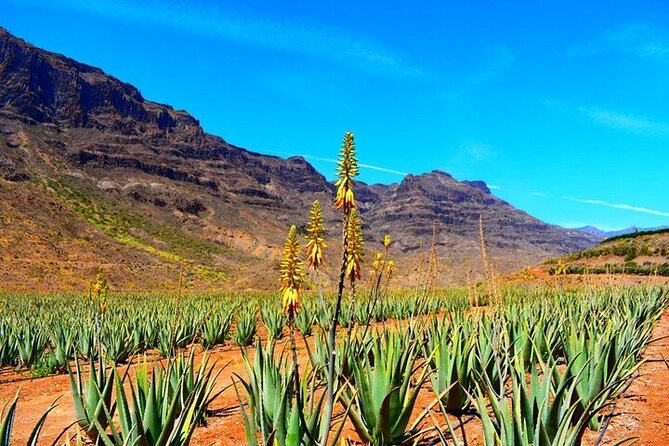
At $55.53 per person for roughly 9 hours, this tour sits in a value category when you compare what’s included versus what you’d normally piece together. You get:
- Pickup and drop-off in touristic areas
- A guide
- Liability insurance
- Admission is free for the key included stops at Guayadeque and Firgas
- Mobile ticket convenience
The big thing you’re buying is transportation plus interpretation. Inland Gran Canaria can be hard to connect efficiently by public transport if you want multiple stops in one day. Paying for a guided route saves you from scheduling headaches and lets you spend your mental energy on the places themselves.
What’s not included is lunch, and that’s the only obvious “extra” you may decide to pay. Many days get expensive when every stop has paid attractions and mandatory spending. Here, the core visits are already covered, and optional lunch is just that—optional.
If you’re traveling as a couple or solo and want a structured way to see the interior without renting a car, this price can make sense quickly.
The guide and group size: what to expect from the experience vibe
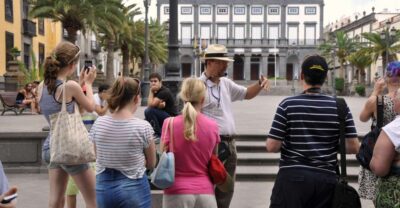
This is a guided day with a maximum of 59 travelers. That size is large enough to keep logistics efficient, but small enough that the guide can still manage the group and keep explanations moving.
One thing that really matters on tours like this is organization, and the guidance here has been described as well structured with interesting information delivered in English and German. If you’re an independent traveler who still likes facts—why caves were used, what a village detail represents, how water is tied to community identity—that kind of guiding is a strong plus.
Also, a nice note from experience reports: there’s been no pushy pressure to buy extras. That matters more than people think. When tours start turning into shopping circuits, the whole day changes. You’re here for the places.
Tips to make the day easier on your feet and phone
A few practical habits will help you enjoy this day even if you’re not a “stand around and point” tourist.
- Wear grippy shoes: ravine areas and village streets can be uneven
- Bring water: especially since you’ll be on the coach at times and in sun during walks
- Plan your photo priorities: 30 minutes at Guayadeque and 25 at Firgas move fast
- Use the guide’s timing: when they suggest a spot first, it’s usually the one that makes the whole stop click
- Think about lunch early: decide if you want the optional meal so you’re not debating with your schedule when you’re hungry
One more small mindset shift: you’re not trying to “do everything.” You’re trying to understand the island interior in a single day. This tour works best when you let each stop be what it is: a focused chapter.
Who this tour is best for
This tour is a strong match if you:
- Want an introduction to inland Gran Canaria without car planning
- Like caves, village details, and guided context more than long independent hiking
- Prefer a structured day with pickup and drop-off handled
- Are okay with short stops in exchange for seeing multiple areas
If you’re the type who needs 2–3 hours in every town to feel satisfied, you might find the time tight. But if you enjoy quick, meaningful sampling, it’s a good fit.
It also suits many people physically since the tour is built around walking short sections and riding between areas. Most travelers can participate, and service animals are allowed.
Should you book the Guayadeque, Firgas, Fataga VIP Tour?
I’d book it if you want a guided inland day where the big visual moments are covered, and where the logistics are set up for you from the start. The combination of Guayadeque cave houses, a specific Firgas water-and-tiles town stop, and an optional Valleseco lunch makes the day feel efficient without feeling like a blur.
Skip it only if you know you’ll be frustrated by short time windows. This is a “see a lot with a guide” day, not a “linger for hours” day. If that trade-off sounds fine, you’ll come away with a clear sense of how Gran Canaria looks and works beyond the coast.
FAQ
What time does the tour start?
The tour starts at 8:00 am.
How long is the tour?
It lasts approximately 9 hours.
How much does the tour cost?
The price is $55.53 per person.
Is pickup included?
Yes. Pickup and drop-off are offered in touristic areas. You’ll need to send your accommodation name to get the closest pickup point.
What stops are included during the day?
You’ll visit Barranco de Guayadeque (about 30 minutes), Firgas (about 25 minutes), and have time for lunch in Valleseco (about 1 hour). The route also includes village time such as Tejeda, Tunte, and Fataga.
Is lunch included in the price?
No. Lunch is optional and not included, so you’d pay there if you choose it.
Can I cancel and get a full refund?
Yes. You can cancel for a full refund if you cancel at least 24 hours before the experience’s start time.
FAQ
What will I need to bring?
Bring comfortable shoes and water. Lunch is optional, so decide in advance if you want to pay for the meal at the stop.
Is there a limit on group size?
Yes. The tour has a maximum of 59 travelers.
Are service animals allowed?
Yes, service animals are allowed.
Is the tour suitable for most people?
Most travelers can participate.
How do tickets work?
You’ll use a mobile ticket.
When will I get confirmation after booking?
Confirmation is received within 48 hours of booking, subject to availability.
Who provides the tour and language support?
The tour includes a guide, and the guide has been noted as providing information in English and German.