REVIEW · GRAN CANARIA
Spirit of the Sea: Cetacean sighting in Gran Canaria
Book on Viator →Operated by Dolphin and Whales · Bookable on Viator
If you want marine life on your terms, this trip fits. This Spirit of the Sea catamaran cruise in Gran Canaria is built for cetacean watching, with glass-bottom viewing so you can sometimes spot dolphins underwater while they play near the boat. You’ll also get a simple onboard education setup plus the chance to see other wildlife like turtles and flying fish.
What I like most is the way the crew focuses on respectful distance and lets animals come naturally instead of crowding them. I also like the onboard touches that make the ride feel more like an experience than just transport: a brochure with photos and explanations, plus free soft drinks and water during the trip.
The main drawback to plan around is that sightings are never 100% guaranteed, and the sea can affect comfort. On the day can’t-be-predicted side, if you don’t spot whales or dolphins, they offer a bonus return option on very few occasions—still, not seeing marine life at all can be disappointing.
In This Review
- Key things to know before you go
- Setting Sail in Puerto Rico: Where to Start and What to Bring
- The 2.5-Hour Cetacean Hunt: What the Ride Feels Like
- The Glass-Bottom Advantage (and Its Reality Check)
- How the Crew Works: Respectful Viewing That Actually Matters
- If You Don’t See Whales or Dolphins: The Bonus Plan
- Itinerary Walkthrough: What Happens During the Cruise
- Price and Value: Is $48.27 Worth It?
- Who This Tour Fits Best (and Who Should Rethink It)
- Comfort, Timing, and Common-Sense Tips
- Should You Book Spirit of the Sea?
- FAQ
- How long is the Spirit of the Sea catamaran experience?
- Where is the meeting point in Puerto Rico?
- Are drinks included on the boat?
- Is a dolphin or whale sighting guaranteed?
- What happens if weather conditions are poor?
- Is pick-up service included?
Key things to know before you go
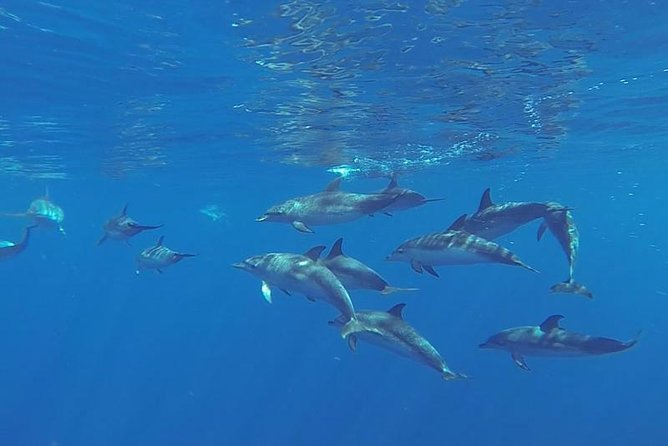
- Glass-bottom catamaran: you may see cetaceans underwater when they swim close.
- Onboard learning starts immediately: a small brochure with photos and explanations of whales and dolphins.
- Drinks included: soda/pop and water are part of the experience.
- Wildlife viewing is part science, part spectacle: look for surface behavior and other marine fauna like turtles and flying fish.
- Crew strategy matters: expect careful distance, and when dolphins show up, you may spend time with them.
- Weather can change plans: this activity runs in good conditions, otherwise you’ll be offered another date or a refund.
Setting Sail in Puerto Rico: Where to Start and What to Bring
This cruise starts right in Puerto Rico (Gran Canaria), at Calle Puerto Base, C. Puerto Base, 35130 Puerto Rico, Las Palmas, Spain. The trip ends back at the same meeting point, so you’re not hunting for buses or figuring out a second location.
Plan to arrive with a little buffer. Check-in is part of your experience, and it’s worth keeping your expectations realistic: you’re joining a busy day on the water, and the crew’s job is to manage safety, timing, and wildlife scouting at the same time. Also, this is offered in English, so if you want the explanations to land fully, you’ll be in good shape.
What should you bring? You’ll want clothes for a breezy marine environment and something light for sun protection. And if you’re sensitive to motion, think ahead. One review noted that plenty of people had seasickness, so don’t ignore that risk just because the boat is a catamaran (catamarans often feel steadier, but they’re still on the ocean).
For value, remember what you get onboard: free soft drinks and water. That reduces the small-cost creep that can happen with other boat tours, and it’s one less thing you have to plan for once you’re out on the water.
You can also read our reviews of more tours and experiences in Gran Canaria.

The 2.5-Hour Cetacean Hunt: What the Ride Feels Like
The cruise runs about 2 hours 30 minutes. That’s long enough for a real search, but short enough that you’re not committing your whole day. For most people, this timing is the sweet spot in Gran Canaria: you can do this and still keep time for beach time, dinner, or a sunset walk later.
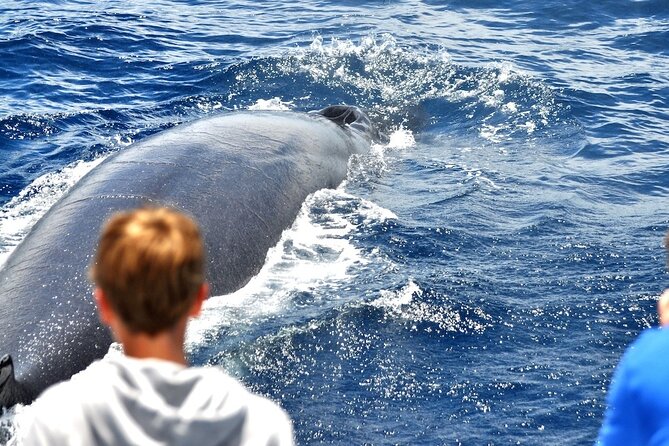
The concept is simple. You go out to observe dolphins and whales in their natural environment, and the show is their behavior—jumping out of the water, playing, and moving in pods. You’re not being “entertained” with tricks. The excitement comes from watching wild animals do wild things, and the crew helps you spot what’s happening.
There’s also an educational component right from the start. When you board, you receive a small brochure with explanations and photographs of dolphins and whales, and it’s designed to make it easier to understand what you’re seeing while you’re seeing it.
On top of cetaceans, the waters around the island can offer other surprises. The experience includes the chance to see marine fauna such as turtles and flying fish. That matters because even on a day when the dolphins or whales are slow to appear, you’re still likely to spot something moving just above or below the surface.
The Glass-Bottom Advantage (and Its Reality Check)
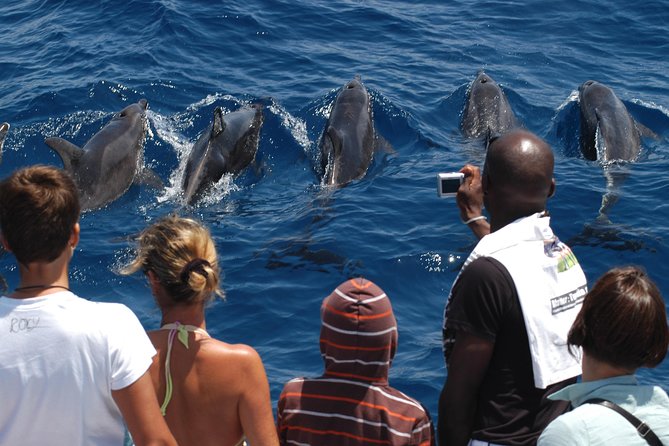
A standout feature is that this is a catamaran with glass-bottom sections designed for underwater viewing. When dolphins swim near the boat, this can turn a normal sighting into a clearer, more complete moment—especially when they’re under the waterline and you’d otherwise only see flukes or splashes from the surface.
However, plan for the fact that conditions and safety decisions can affect what you can see. One negative experience mentioned the underwater window area being closed for the entire ride. The overall lesson for you: treat the glass-bottom viewing as a bonus, not the only way you’ll have fun. If you want the best experience, be ready to enjoy both surface action and underwater glimpses when they’re available.
Tip for your comfort and visibility: if you’re trying to catch the glass-bottom view, arrive ready to move around quickly when you hear activity. On wildlife days, the crew’s priorities are scouting and repositioning, so don’t count on the best viewing spots staying empty for long.
How the Crew Works: Respectful Viewing That Actually Matters
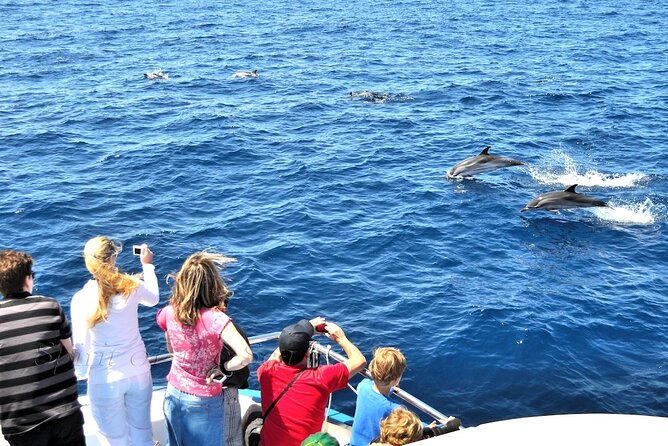
What makes or breaks a wildlife boat trip is how the crew handles proximity. This one aims for respectful distance so animals don’t get chased or harassed into constant evasive behavior. That approach isn’t just ethical—it also often improves the odds of longer sightings.
You may notice two patterns when the crew is doing this well:
- They let animals approach the boat instead of forcing repeated meet-and-move patterns.
- They keep time with a group and then shift to reduce disturbance to another pod or to another area.
One standout experience described the crew staying out about 30 minutes longer to find dolphins, which suggests they aren’t rushing you back immediately at the first sign of calm water. Another experience described a massive group of dolphins—around 300—and the day became extraordinary because the crew was prepared to respond quickly when cetaceans showed up.
There’s also a strong theme in how the crew handles unusual situations. One review described the crew rescuing two young birds found in an oil spill and taking them to a rescue centre for rehabilitation and release. That kind of action doesn’t directly affect your dolphin sighting, but it signals a crew that’s paying attention beyond just the next sale or schedule slot.
If You Don’t See Whales or Dolphins: The Bonus Plan
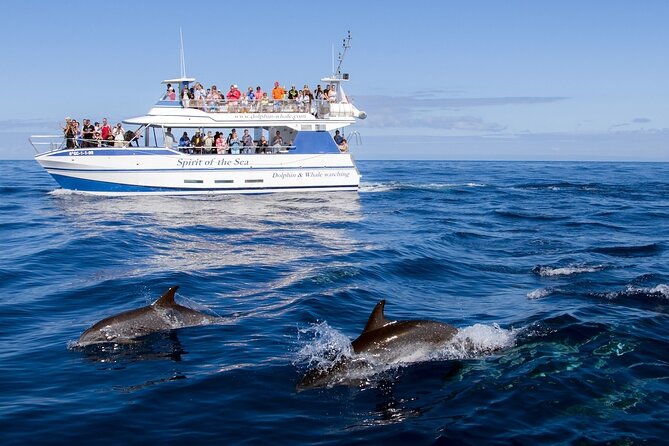
This is the part you should understand before you book, because it’s the one thing you can’t control: wildlife timing.
The experience is designed for dolphin and whale watching, and the operator says they have the knowledge to guarantee success in their excursions—yet they also openly acknowledge that on very few occasions you might not see whales or dolphins. When that happens, they provide a bonus so you can come for free another day on the boat.
For you, this matters because it softens the risk. Instead of just taking a loss, the experience offers a way to try again when the sea and marine life cooperate. Still, if your vacation window is tight, do the math: if you can’t easily return another day, you may want to plan your other activities with some flexibility.


Itinerary Walkthrough: What Happens During the Cruise
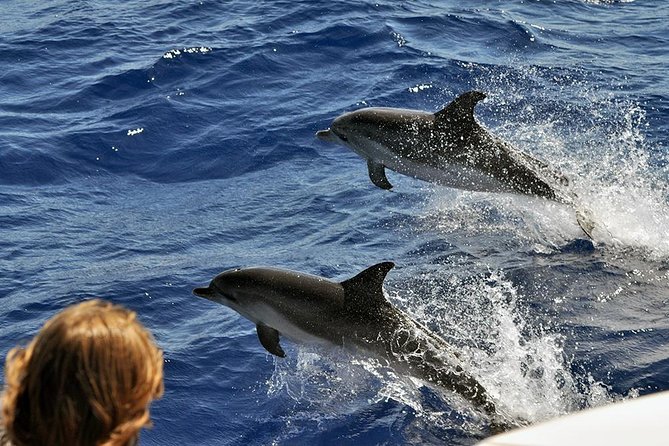
Here’s what the flow usually looks like during the 2.5-hour experience:
1) Meet, board, and get oriented
You’ll meet at Calle Puerto Base. Once onboard, you receive the brochure with clear photos and explanations of dolphins and whales. This helps you connect what you’re seeing to what it likely is—behavior, not just a random splash.
2) Search phase
Out on the water, the crew scans and communicates about potential sightings. The whole point is to find dolphins and whales in their natural habitat. You might see early activity (like flying fish around the boat) while the crew keeps checking for more definitive whale or dolphin sightings.
3) The main viewing window
When the animals appear, pay attention to the crew’s guidance on distance and position. This is where the glass-bottom sections can help, because dolphins sometimes swim close enough for underwater viewing. Even if they don’t, surface jumps and play can be enough to make this feel like a true wildlife moment rather than a roadside animal park.
4) Possible extra wildlife
Depending on conditions, you may add turtles and flying fish to the mix. These sightings make the trip feel more “alive” even if your cetaceans are smaller in number or show up later.
5) Return to Puerto Rico
At the end, the cruise returns to the same meeting point on Calle Puerto Base. It’s a clean loop, which helps if you’re connecting to dinner plans or another activity.
Price and Value: Is $48.27 Worth It?
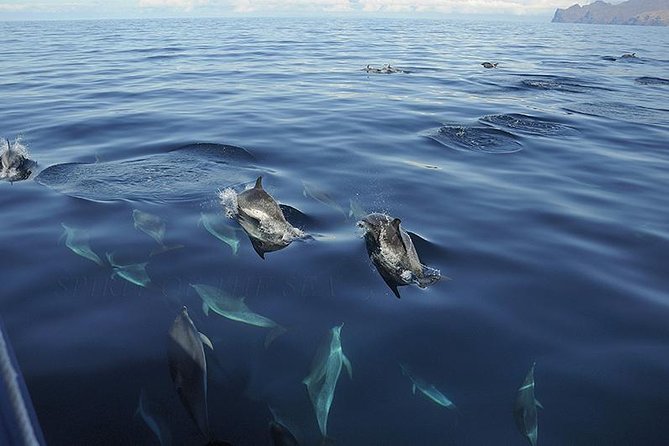
At $48.27 per person, this is priced as a mid-range marine tour. Whether it feels like a great deal depends on one thing: how likely you are to want a wildlife-driven experience rather than a guaranteed attraction.
Here’s why it can be good value:
- You’re paying for a purpose-built catamaran with glass-bottom viewing.
- You get free drinks onboard, which can quietly add up on longer excursions.
- The crew behavior aims for animal respect, which improves both ethics and, often, the quality of your sightings.
- The bonus return option (when no whales/dolphins are seen on very few occasions) reduces the “you might get nothing” sting.
When it might not feel like value:
- If your biggest goal is a specific animal and your schedule doesn’t allow a second chance, the inherent uncertainty of wildlife may feel frustrating.
- If sea conditions aren’t comfortable, you may spend energy battling motion instead of watching.
My practical take: if you’re flexible and you want a real shot at dolphins and whales, this price is reasonable for the experience format—especially with the included drinks and the attempt to find animals rather than just cruising.
Who This Tour Fits Best (and Who Should Rethink It)
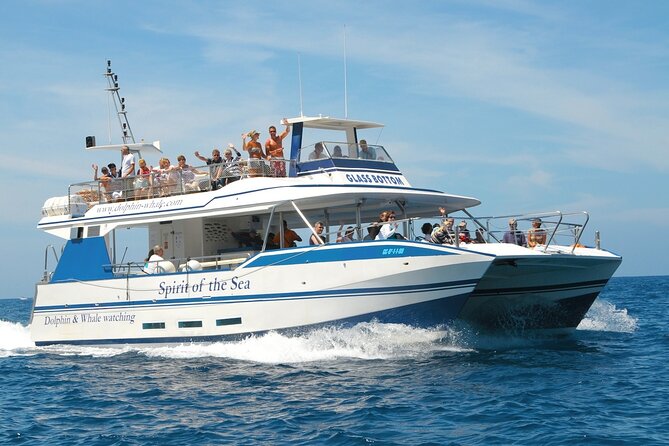
This tour fits best if you:
- Want dolphins and whales in Gran Canaria without a long, complicated day plan.
- Enjoy learning as you go, not just staring at the horizon.
- Prefer operators who focus on distance and behavior rather than forcing an encounter.
It might be less satisfying if you:
- Have zero tolerance for motion and you’re prone to seasickness.
- Need a perfectly predictable outcome on a single fixed day.
- Are counting on glass-bottom viewing as guaranteed. It’s designed for it, but the ocean doesn’t promise access or clarity every time.
If you’re traveling with family, this can work well because the experience is structured and the duration is manageable. Service animals are allowed, and the trip is described as suitable for most travelers.
Comfort, Timing, and Common-Sense Tips
Even with a catamaran, the sea can feel lively. If you get motion sickness, take preventive steps before you get on board. Don’t wait until you’re already nauseated. Also, plan for wind. Even a mild breeze out on the water can feel colder than on land.
Timing-wise, the experience is commonly booked around 9 days in advance on average, which suggests you may want to lock in your date sooner rather than later—especially if you’re there during busy seasons.
Group size is also a factor. With a maximum of 75 travelers, it’s big enough to feel like a real departure, but not so huge that you’re lost in the crowd. Still, bring patience: when wildlife appears, the crew’s movement and passenger flow will change fast.
Should You Book Spirit of the Sea?
Book it if you want a chance at dolphins and whales with a respect-first crew, onboard learning, and the bonus of glass-bottom viewing. At $48.27, it’s a fair price for a 2.5-hour wildlife hunt that includes drinks and gives you another try when sightings don’t happen on very rare occasions.
Reconsider if your schedule is razor-thin or you know you’re likely to feel sick on boats. In that case, either plan this for a day when you can rest afterward, or choose a land-based wildlife option. Also remember that one key theme of this experience is honest uncertainty: it’s about observing animals in their own world, not forcing a guaranteed show.
FAQ
How long is the Spirit of the Sea catamaran experience?
It runs for approximately 2 hours 30 minutes.
Where is the meeting point in Puerto Rico?
You meet at Calle Puerto Base, C. Puerto Base, 35130 Puerto Rico, Las Palmas, Spain, and the tour ends back at the same meeting point.
Are drinks included on the boat?
Yes. Soda/pop and water are included.
Is a dolphin or whale sighting guaranteed?
No. On very few occasions, you may not see whales or dolphins. If that happens, you are offered a bonus to come for free another day on the boat.
What happens if weather conditions are poor?
This experience requires good weather. If it’s canceled due to poor weather, you’ll be offered a different date or a full refund.
Is pick-up service included?
No pick-up service is included.