REVIEW · GRAN CANARIA
Agüimes: Cocodrilo Park Zoo Entry Ticket
Book on GetYourGuide →Operated by Canaryfauna, S.L · Bookable on GetYourGuide
Big crocs, smaller lines of stress. Cocodrilo Park in Agüimes is a rescue-focused zoo with the largest alligator exhibit in Europe, spread across about 20,000–22,000 square meters. I like that you’ll see a wide mix of animals, from chimpanzees to meerkats and tigers, plus the feeding demonstrations that keep things lively. One thing to plan for: the park is a bit far out, so transport options (especially on Sundays) can be limited.
I also like how the staff emphasize animal welfare—this isn’t a place built around treating exotic creatures like accessories. You’re there to observe, learn, and support care, and the site feels clean and well maintained. The main drawback is that shows and talks can be loud or crowded depending on the schedule and where you stand.
If you go with comfortable shoes and a simple plan for food and timing, you’ll get a solid half-day outing that still feels complete—without turning into an all-day slog.
In This Review
- Key things to know before you go
- Cocodrilo Park: a rescue zoo built around crocs and care
- Ticket price and what $11 really buys you
- Getting to Cocodrilo Park in Agüimes (and why transport planning matters)
- What you’ll actually do once you’re inside
- Start with a simple circuit
- Build your day around the demonstrations
- Expect some crowds at the show areas
- The animal highlights that make the ticket worth it
- The alligators: the headline exhibit
- Chimpanzee and primate interactions
- Tigers, parrots, and birds that keep you watching
- Reptiles and smaller mammals
- Shows, talks, and feeding demonstrations: how to plan your time
- Food and snacks: what to expect and how not to get stuck waiting
- How long to stay: 2–3 hours is the sweet spot
- Who should book Cocodrilo Park?
- Quick practical tips so your visit runs smoothly
- Should you book this ticket?
Key things to know before you go

- Europe’s biggest alligator display makes the croc factor the main event, not an afterthought
- 500+ animals across reptiles, birds, and mammals means you won’t run out of things to watch fast
- Rescued-only mission gives the visit a purpose beyond sightseeing
- Feeding and talk schedule helps you structure your visit so you don’t just wander
- Easy-to-walk layout is ideal for families, and often works as a 2–3 hour plan
- Bring small change for snacks if there’s a way to buy animal-related food during the day
Cocodrilo Park: a rescue zoo built around crocs and care
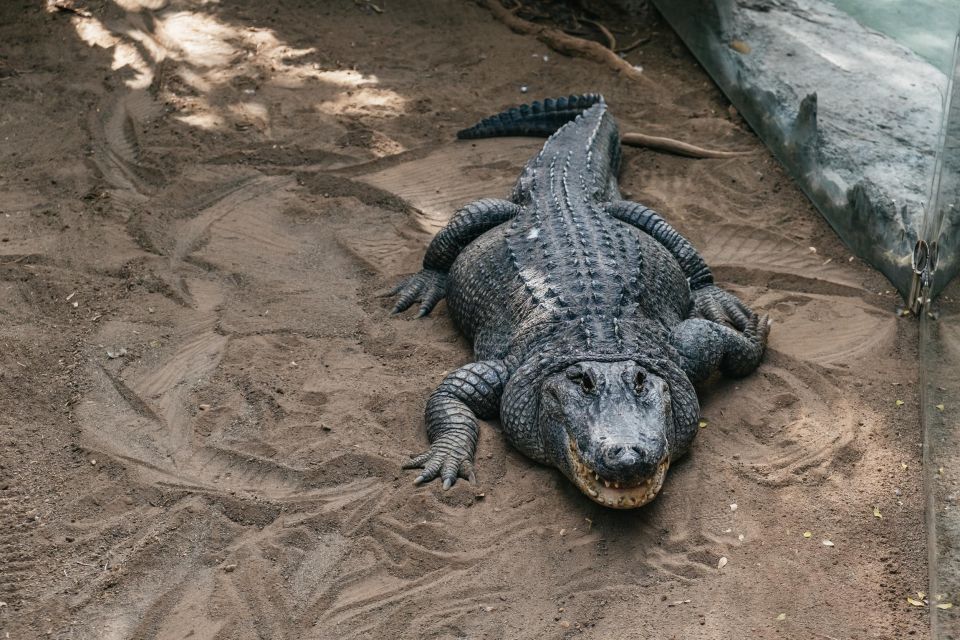
Cocodrilo Park is one of those places where the theme does more than look good on a poster. The big draw is the largest alligator exhibition in Europe, but the reason it feels worthwhile is the rescue angle—many animals are there because they can’t be released, and the staff clearly communicate why exotic pets don’t belong in home life. That message doesn’t feel preachy. It’s simply part of how the park explains animal welfare.
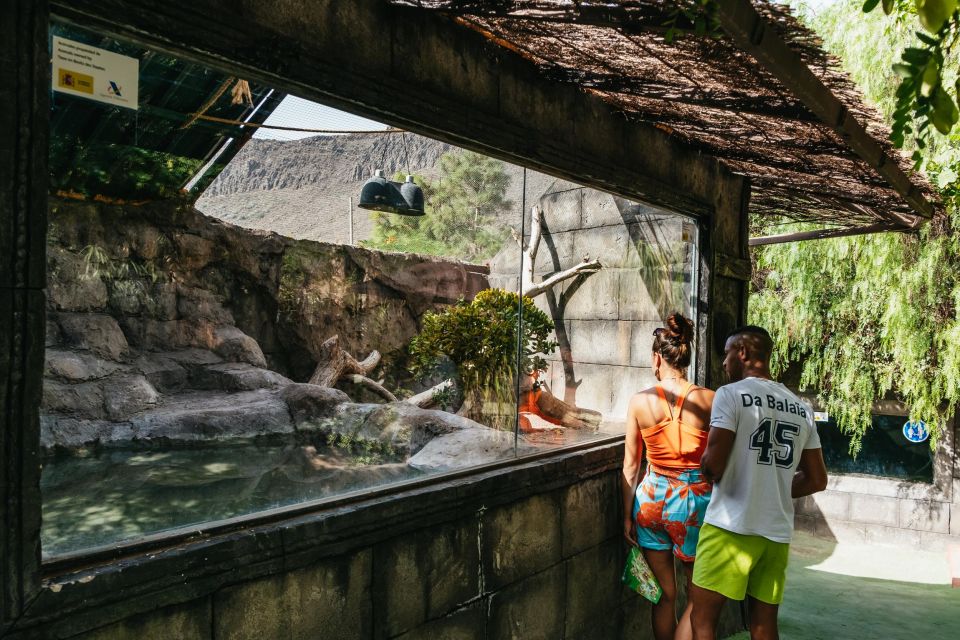
The grounds give you space to move at a relaxed pace. You’re walking enclosures and watching animals at close range, but you’re not stuck in a tiny, cramped layout where everything feels forced. I like that the park size supports a “few hours and you’re good” visit, which is hard to find in budget attractions.
The animal variety is the second reason to go. You’ll pass through zones for reptiles and birds, then swing over to mammals like monkeys and other larger species. It’s not just “croc and friends.” It’s a real mix, and the feeding times make the highlights feel organized.
You can also read our reviews of more tours and experiences in Gran Canaria


Ticket price and what $11 really buys you
The entry ticket is listed at about $11 per person, and that price makes sense for what you get on-site. You’re paying for entrance to a zoo-like park with 500+ animals, plus multiple chances to see talks and feeding demonstrations during the day. For a family budget, that matters. You’re not buying a single show; you’re buying access to a full circuit.
Also, your ticket is valid for 365 days. That’s useful on Gran Canaria, where weather and plans shift fast. You can choose a day that fits your energy level instead of forcing the calendar.
One important “value check” before you buy: food and drinks aren’t included. The park has on-site options, but you’ll need to budget for snacks and meals like you would at any similar attraction. For many families, that’s fine, because the ticket itself stays low enough to keep the whole day from ballooning.
Getting to Cocodrilo Park in Agüimes (and why transport planning matters)
Cocodrilo Park is located outside the usual hotel-strip rhythm, and that’s the one logistics point you should respect. If you’re relying on taxis, remember that service can be more limited on certain days—one of the most common practical complaints is simply that getting there and back can be harder than expected, especially on a Sunday.
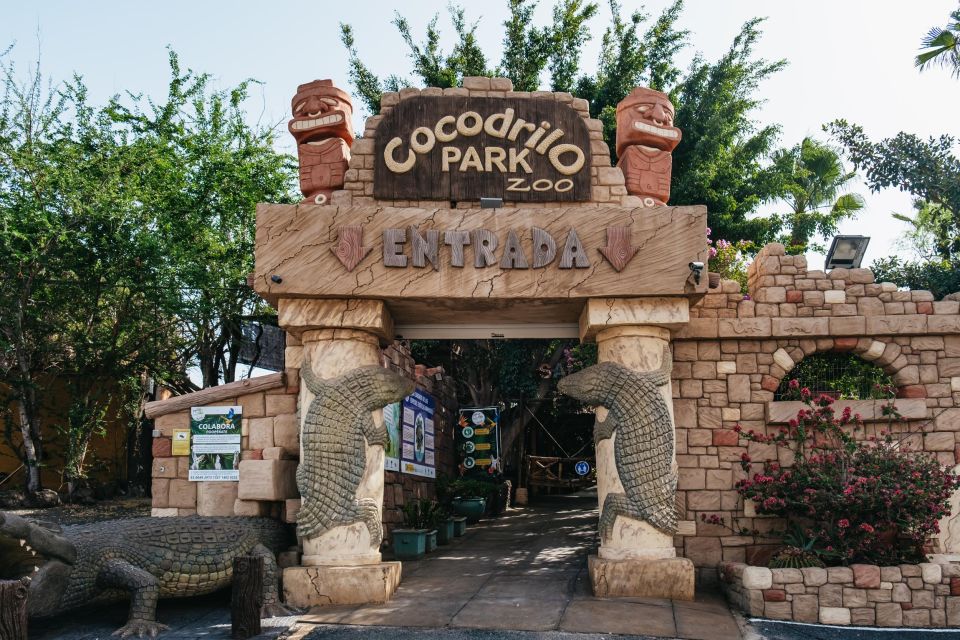
The upside? The park is well signposted and easy to find once you’re in the area. The entry setup is straightforward: you show your ticket at the entry gate to Cocodrilo Park Gran Canaria.
If you’re traveling with kids, build in extra buffer time. You want to arrive early enough to get your bearings before feeding and talk times start. And if you’re going off the typical tourist route, it’s smart to confirm your return plan before you enter.
What you’ll actually do once you’re inside
Your visit works best when you treat it like a self-guided walk with “scheduled moments.” The park’s layout covers roughly 20,000–22,000 square meters, which is big enough to feel like a real outing but not so huge that you’re exhausted by hour one.
Start with a simple circuit
Walk the enclosures in a loose loop so you’re not doubling back. As you go, watch for where the talks and feeding demonstrations are taking place. Those moments create natural pauses, and they also reduce the risk of missing the best interactions.
You can also read our reviews of more tours and experiences in Gran Canaria

Build your day around the demonstrations
Feeding moments are the heart of the entertainment. They’re a chance to see animal behavior up close and learn from staff explanations. Even if you only catch a couple of talks, the difference is huge—you’ll go from seeing animals to understanding how the park cares for them.
Expect some crowds at the show areas
Some shows can start slowly, and seating can be tight. You may end up with a portion of the crowd standing, especially if you arrive right on time. If you’re traveling with kids, arrive a few minutes early for the ones you care about most.
The animal highlights that make the ticket worth it
The alligators: the headline exhibit
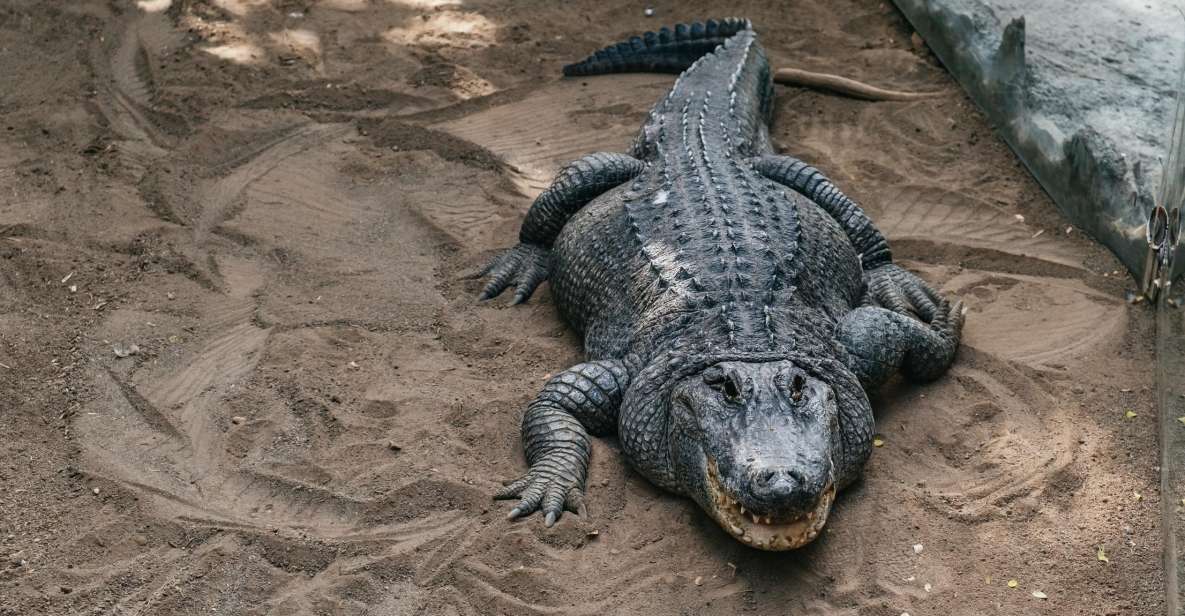
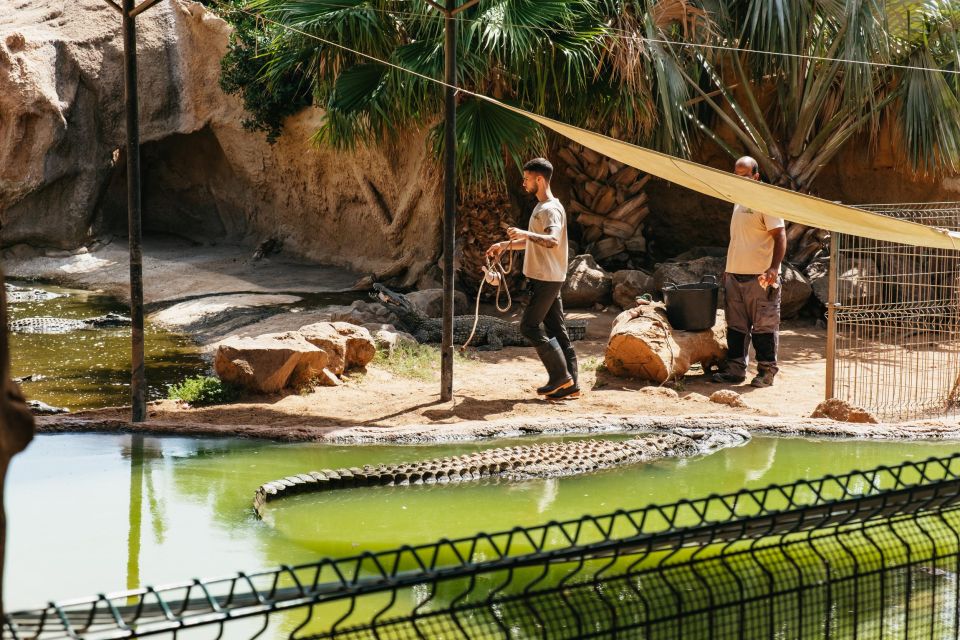
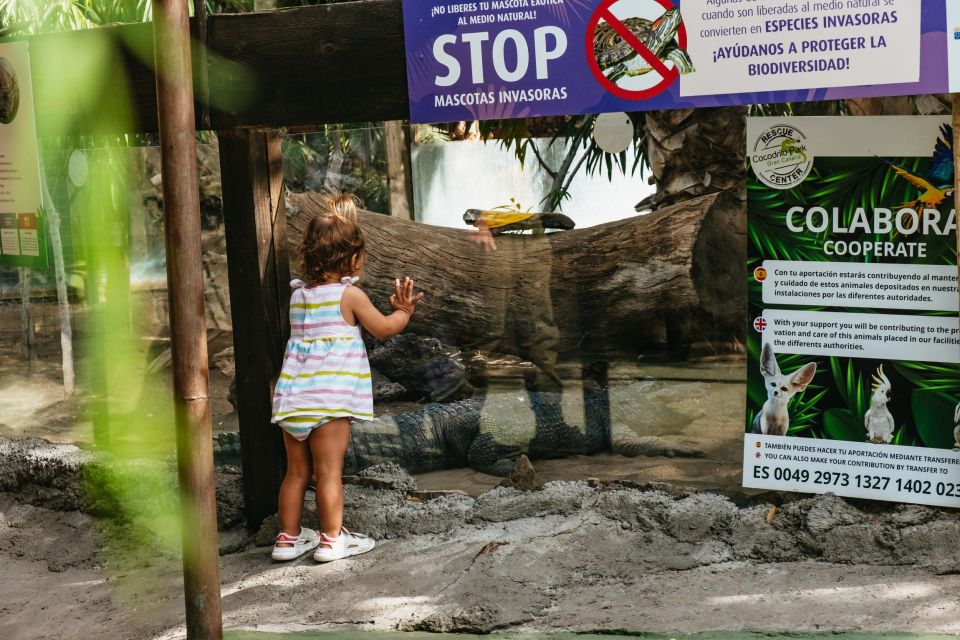
This is the reason many people buy the ticket. Cocodrilo Park is known for the largest alligator exhibition in Europe, and you’ll spend plenty of time in croc territory. Watching feedings here tends to be the moment people remember most, because it turns a static enclosure into an active, high-energy scene.
You’ll also see baby animals mentioned by visitors, which is a fun bonus if you’re lucky enough to be there around the right time. Even when the highlight is the same exhibit, the day still feels different because feeding times change what you see.
Chimpanzee and primate interactions
If you want something more playful than reptiles and birds, aim for the primate areas. The chimpanzees are a standout in many visits, and the interaction style is more spontaneous than you’d expect. Even if you don’t get an instant “wow” moment, the payoff is in the personality and the behavior you can observe.
Tigers, parrots, and birds that keep you watching
Not every visit features the same exact spotlight animal, so keep expectations flexible. Still, visitors repeatedly highlight impressive larger cats and a strong bird presence, including parrots. Birds can be surprisingly time-consuming in the best way—you’ll find yourself slowing down just to watch movement, calls, and how they respond to staff activity.
Reptiles and smaller mammals
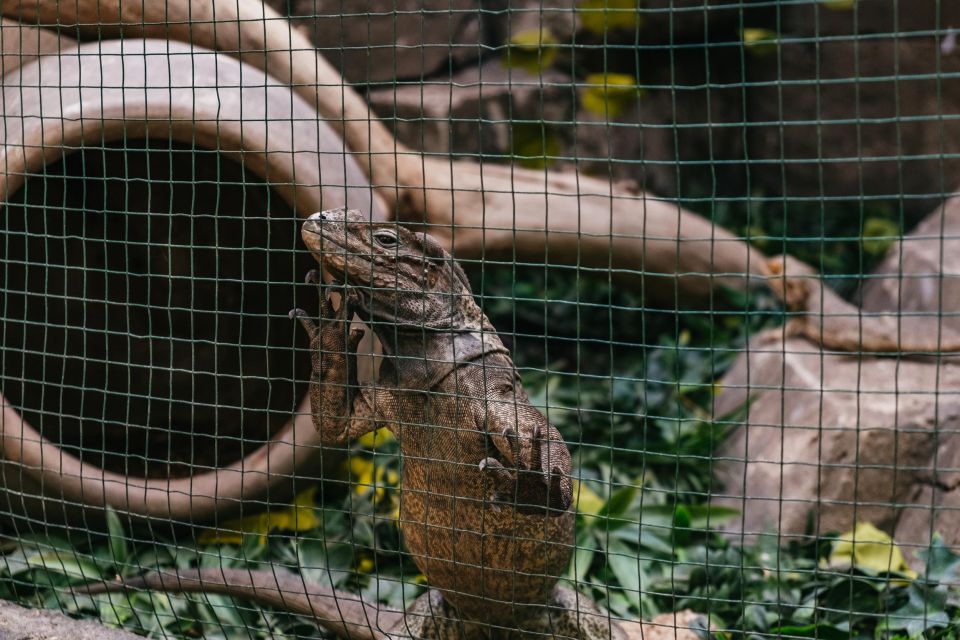
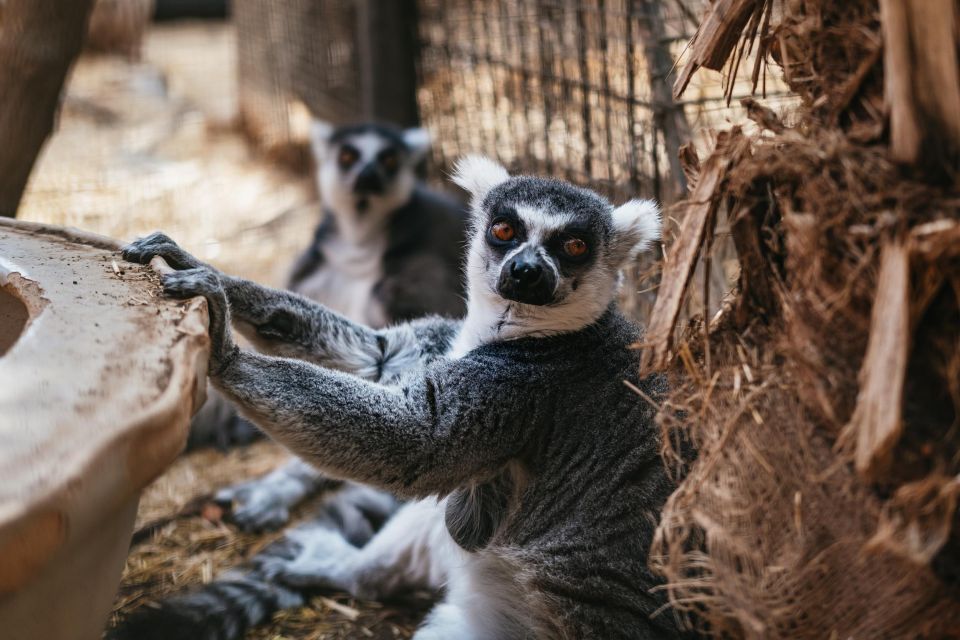
The park’s reptile content is a big draw too: lizards and snakes come up often, plus turtles and other small-to-medium animals. There’s also a sense of humor in some of the smaller exhibits—like foxes in the mix of “fun animal moments.” You get the full spectrum, from quick scurrying to slow, watchable behavior.
Shows, talks, and feeding demonstrations: how to plan your time
Shows and talks are scattered through the day, and that’s good because it prevents everything from happening in one block. The key is not to treat them like “filler.” They’re where the park’s rescue mission becomes practical.
A few things to expect:
- Some talks may be easier to follow if you’re comfortable with languages other than English. There can be times when the demonstrations rely on staff explanation, and you’ll want to follow along as best you can.
- The sound system can be loud, especially when crowds form around a speaker area. If you’re sensitive to noise or you’re going with very young kids, pick your timing.
If you want the best experience, I’d focus on catching at least a couple of feeding demonstrations and one talk. You don’t need to marathon everything. The park is built so you can do a relaxed visit and still feel like you got the point.
Food and snacks: what to expect and how not to get stuck waiting
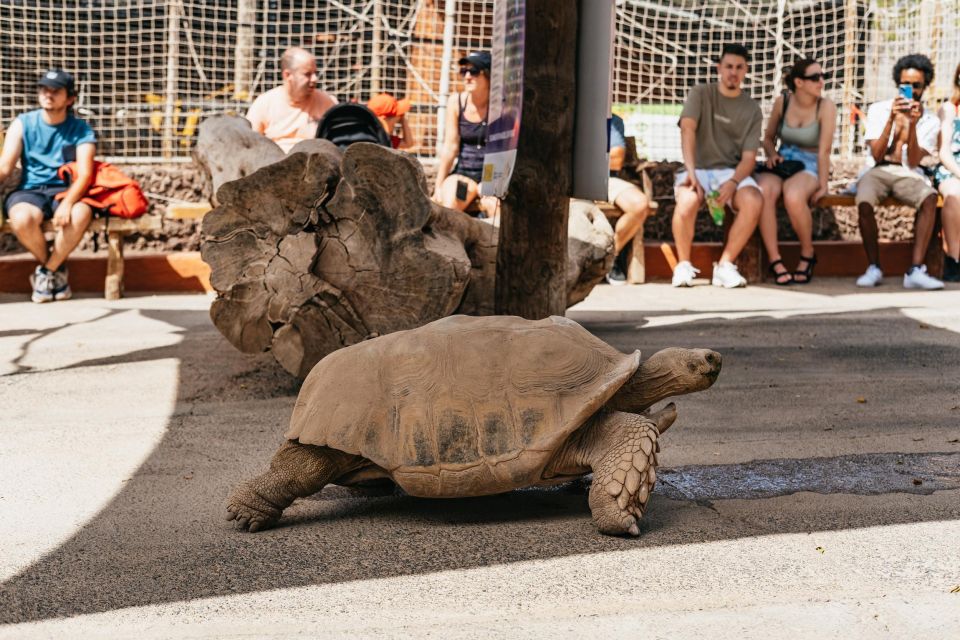
Food is not included with the ticket, but there are café options inside the park. One highlight is the Monkey snack-bar, with a menu that includes hot dogs and smoothies. There’s also mention of other food options like chips and sandwiches, plus ice cream and drinks—so you’re not limited to one basic snack.
Practical tip: plan around busy times. A common complaint is long waiting when the café is busy, so it’s smart to eat either before the peak crowd gathers or after you’ve attended a talk. If you’re going with children, keep an eye on hunger cues so you don’t end up stuck in line during the exact moment you’d rather be watching.
Another detail worth your attention: if there’s any animal-food purchase option connected to snacks or feeding, bring small coins. Some visitors run into trouble when machines or counters are out of the right change. You don’t want your “fun moment” to turn into a cash scavenger hunt.
How long to stay: 2–3 hours is the sweet spot
This is not an all-day theme park. For most visitors, a 2–3 hour visit is enough to see the main enclosures and fit at least a couple of talks or feedings. If you want more repetition—birds for longer, multiple demos, and time to snack—then stretching to a longer visit is totally reasonable.
Heat matters on Gran Canaria, so the fact that there’s shade helps a lot. If you can, aim for a morning or late afternoon entry to reduce discomfort and give you a better walking experience.
Who should book Cocodrilo Park?
This is a great match if you want:
- A family-friendly animal day that isn’t overly complex
- A rescue-focused experience where the mission is part of the visit
- A place where you can slow down and still feel like you’re getting your money’s worth
It’s also a good option if you need wheelchair accessibility. The park is listed as wheelchair accessible, and the grounds are designed for visitors to get around without extreme navigation.
What about pets? They’re not allowed, so plan accordingly if you’re traveling with animals.
Quick practical tips so your visit runs smoothly
Bring comfortable shoes. Even if the path feels manageable, you’ll walk more than you think once you start moving between enclosures and show areas. Also, pack water plans. You can buy drinks inside, but hydration keeps the day pleasant instead of cranky.
If you’re sensitive to crowds or loud sound systems, choose which talks you want ahead of time. Then show up a little early so you have a comfortable place to stand or sit. You’ll enjoy it more when you’re not fighting the crowd just to watch.
Finally, keep expectations real. You might not see every species every single day at the same level of activity, since animal behavior isn’t scripted. But the park’s overall mix—croc exhibit, birds, primates, reptiles—usually delivers the core experience regardless.
Should you book this ticket?
Yes, if you want a low-cost, meaningful animal outing with the standout alligator exhibition and a rescue mission that makes the visit feel grounded. At around $11, it’s priced for repeatable “day out” value, especially since the ticket is valid for 365 days, letting you choose a day that fits your plans.
Hold off or plan extra carefully if you’re dealing with transport constraints. The park can be far enough out that you’ll want a clear return plan, and show areas can get crowded. If you’re the type who hates waiting, snack timing matters, and bringing small coins can save some hassle.
If you like a straightforward park day—walk, watch, catch a couple of feedings, and leave before you’re exhausted—this one is an easy yes.